Ludovico Barbiano di Belgiojoso (1728–1801)
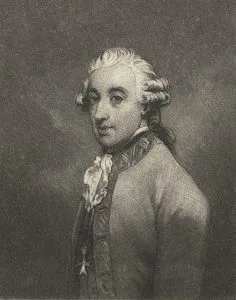
📊 Fast Facts & Overview: Ludovico Barbiano di Belgiojoso (1728–1801)
| Full Name | Ludovico Barbiano di Belgiojoso |
| Lifespan | 1728–1801 |
| Nationality | Italian (Milanese) |
| Profession | Diplomat, Military Officer |
| Notable Service | Habsburg Monarchy |
Ludovico Barbiano di Belgiojoso (1728–1801) was an Italian nobleman, diplomat, and military officer who served the Habsburg Monarchy as an ambassador to the court of St. James's in London and as a key administrator in the Austrian Netherlands.
1. Background & Early Career
Born in Milan in 1728 into the noble Barbiano di Belgiojoso family, Ludovico pursued a traditional aristocratic path combining military service and statecraft under the rule of the House of Habsburg. The family held considerable influence in the Duchy of Milan, which was then under Austrian imperial control. Belgiojoso entered the diplomatic corps, where his pedigree, linguistic competence, and adherence to the centralizing reforms of Empress Maria Theresa and Emperor Joseph II marked him out for significant foreign postings.
2. Diplomatic and Administrative Appointments
Belgiojoso's primary diplomatic assignment was as the Habsburg ambassador to Great Britain, where he served in London during a critical period preceding and during the American Revolutionary War. Following his tenure in London, Emperor Joseph II appointed him as minister plenipotentiary to the Austrian Netherlands in 1783. In Brussels, Belgiojoso was tasked with implementing Joseph II's sweeping administrative, judicial, and ecclesiastical reforms. His tenure in the Southern Netherlands coincided with intense local resistance against Josephinist centralization, culminating in the political unrest that preceded the Brabant Revolution.
3. Later Life and Legacy
Due to the escalating domestic opposition and outbreak of rebellion in the Austrian Netherlands, Belgiojoso's administration faced severe institutional paralysis, leading to his recall by Vienna. He spent his final years withdrawn from active public office, managing his ancestral estates and maintaining correspondence within intellectual and political circles of the Italian Enlightenment. He died in 1801, leaving a record reflective of the complexities and ultimate limits of enlightened absolutism in late 18th-century Europe.
📚 References & Primary Sources
- Habsburg Diplomacy in the Eighteenth Century, Oxford University Press, 2012.
- The Brabant Revolution and the Austrian Netherlands, Cambridge University Press, 1998.
- Dizionario Biografico degli Italiani, Istituto dell'Enciclopedia Italiana.
- External Authority: Encyclopaedia Britannica Archive →
- External Authority: Biographical Lexicon of the Austrian Empire →