Geoffrey Burnstock
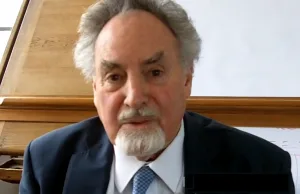
📊 Fast Facts & Overview: Geoffrey Burnstock
| Born | 10 May 1929, London, England |
| Died | 2 June 2020, Melbourne, Australia |
| Fields | Neuroscience, Pharmacology, Autonomic Physiology |
| Institutions | University of Melbourne, University College London |
| Notable Discovery | Purinergic neurotransmission |
Geoffrey Burnstock (1929–2020) was a British-Australian neuroscientist and pharmacologist who discovered purinergic neurotransmission, fundamentally altering the understanding of cellular communication by demonstrating that adenosine triphosphate (ATP) functions as an extracellular signaling molecule. Over a career spanning more than six decades, his identification of purinergic receptors led to the development of novel pharmacological agents targeting a wide array of pathological conditions.
1. Background & Academic Career
Born in London on May 10, 1929, Burnstock completed his undergraduate studies in science at King's College London, graduating in 1953. He subsequently earned his PhD from University College London (UCL) in 1957 under the supervision of the pioneering pharmacologist Edith Bülbring, focusing on the electrophysiology of smooth muscle. Following postdoctoral research positions in the United States and Australia, Burnstock was appointed Professor of Zoology at the University of Melbourne in 1964, where he established a prominent research group centered on the autonomic nervous system. In 1975, he returned to the United Kingdom as Professor of Anatomy and Head of the Department of Anatomy and Developmental Biology at University College London, a position he held until 1997. He later served as President of the Autonomic Neuroscience Centre at UCL until his relocation back to Australia in late 2017.
2. Discovery of Purinergic Neurotransmission
Prior to Burnstock's research, autonomic neurotransmission was understood to rely strictly on adrenergic and cholinergic mechanisms, mediated by norepinephrine and acetylcholine, respectively. In the late 1960s and early 1970s, Burnstock observed non-adrenergic, non-cholinergic (NANC) neurotransmission in the gastrointestinal tract and urinary bladder. Through rigorous electrophysiological and pharmacological experiments, he identified that this signaling was mediated by ATP. In 1972, he coined the term 'purinergic' to describe this novel form of intercellular communication. The scientific community initially met the hypothesis with considerable skepticism, as ATP was viewed exclusively as an intracellular energy source. However, subsequent molecular cloning and pharmacological characterization in the 1980s and 1990s validated his model, leading to the classification of purinergic receptors into P1 (adenosine) and P2 (ATP/ADP) families, further subdivided into ionotropic (P2X) and metabotropic (P2Y) receptors.
3. Significance, Legacy & Modern Influence
Burnstock's discovery of purinergic signaling opened entirely new avenues in pharmacology and therapeutic development. Purinergic receptors are now known to be ubiquitous throughout the body, playing critical roles in neurotransmission, neuromodulation, exocrine and endocrine secretion, immune response, pain perception, and vascular regulation. Agents targeting purinergic receptors have yielded successful therapeutics, including antiplatelet drugs such as clopidogrel and ticagrelor, which act on the P2Y12 receptor to prevent thrombosis. Furthermore, ongoing research explores purinergic mechanisms in chronic pain, inflammation, ischemia, and neurodegenerative disorders. Burnstock authored hundreds of peer-reviewed scientific papers, founded the journal *Autonomic Neuroscience*, and received numerous international accolades, including election as a Fellow of the Royal Society in 1986 and the Royal Medal in 2000.
📚 References & Primary Sources
- Burnstock, G. (1972). Purinergic nerves. Pharmacological Reviews, 24(3), 509-581.
- Burnstock, G., & Verkhratsky, A. (2009). Purinergic Signalling and the Nervous System. Springer-Verlag.
- Ralevic, V., & Burnstock, G. (1998). Receptors for purines and pyrimidines. Pharmacological Reviews, 50(3), 413-492.
- External Authority: The Royal Society Biographical Memoirs →
- External Authority: Encyclopaedia Britannica Archive →