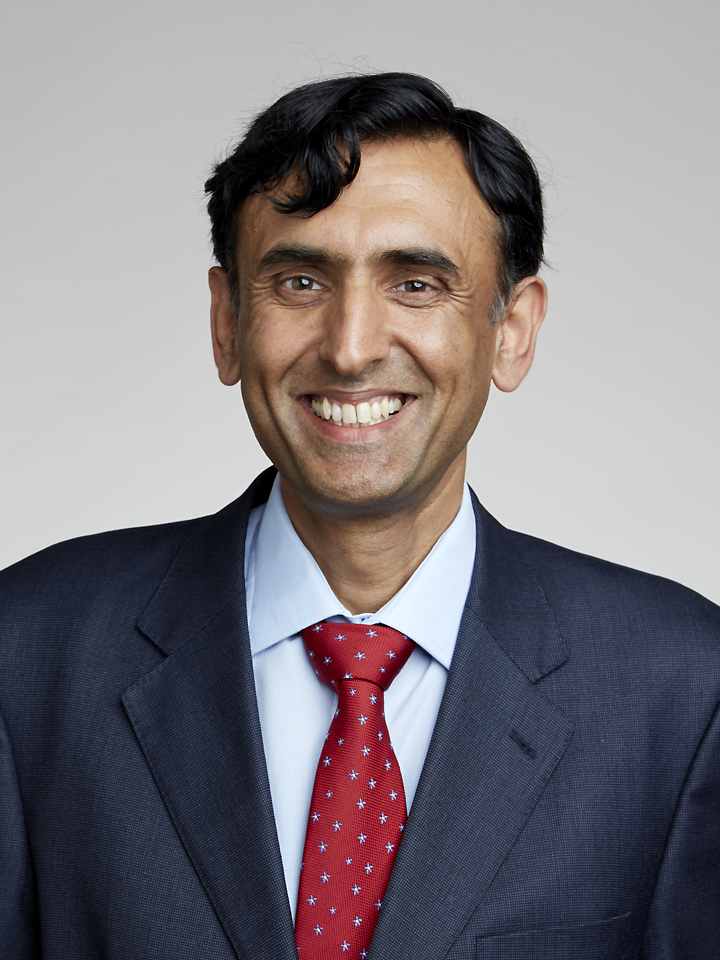
Jas Pal Badyal
📑 Table of Contents
📊 Fast Facts & Overview: Jas Pal Badyal
| Name | Jas Pal Badyal |
| Field | Chemistry |
| Alma Mater | University of Cambridge |
| Institution | Durham University |
| Notable Awards | Fellow of the Royal Society (FRS) |
Jas Pal Badyal, FRS, is a prominent British chemist and academic recognized for his pioneering contributions to surface chemistry, plasma polymerization, and functionalized interfaces. Serving as a professor at Durham University, his foundational research encompasses the design of novel surface-engineered materials with diverse applications ranging from biomedical devices to environmental remediation. His academic output has significantly advanced the fundamental understanding of non-equilibrium plasma processes and solid-liquid interfacial phenomena.
(adsbygoogle = window.adsbygoogle || []).push({});
1. Background & Historical Origins
Jas Pal Badyal pursued his higher education at the University of Cambridge, where he completed his doctoral studies in chemistry, immersing himself in the burgeoning field of surface science. Following his doctoral and postdoctoral training, he joined the academic staff at Durham University, establishing a dedicated research laboratory focused on interface science. His early work built upon foundational developments in chemical vapor deposition and photoelectron spectroscopy, allowing him to probe the chemical composition and electronic structure of modified surfaces with unprecedented precision.
2. Characteristics, Architecture & Analysis
Badyal's primary scientific contributions lie in the development of low-temperature plasma methods for tailoring surface properties without altering the bulk characteristics of materials. His research group engineered novel atmospheric and low-pressure plasma polymerization techniques to deposit pinhole-free, highly adherent functional coatings containing specific chemical groups, such as amines, epoxides, and carboxylic acids. These architectures have been extensively analyzed using advanced surface-analytical instruments, including X-ray photoelectron spectroscopy (XPS), atomic force microscopy (AFM), and static secondary ion mass spectrometry (ToF-SIMS), providing deep mechanistic insights into plasma-surface interactions.
3. Significance, Legacy & Modern Influence
The impact of Professor Badyal's scientific portfolio extends across both academic literature and industrial applications. His inventions have facilitated breakthroughs in diverse sectors, including superhydrophobic and superoleophilic surfaces for oil-water separation, smart responsive textiles, anti-fouling biomedical implants, and enhanced diagnostic microfluidic devices. In recognition of his pioneering methodologies and translation of fundamental surface science into practical technologies, he was elected a Fellow of the Royal Society (FRS) in 2021. His legacy endures through his extensive corpus of peer-reviewed publications, patented technologies, and the training of a new generation of physical chemists and materials scientists.
📚 References & Primary Sources
- Badyal, J. P. (1995). 'Tailoring Solid Surfaces via Plasma Chemistry'. Progress in Surface Science, 49(4), 385-423.
- Badyal, J. P. et al. (2012). 'Super-repellent and Slippery Surfaces'. Chemical Society Reviews, 41(11), 4050-4065.
- Royal Society (2021). 'Outstanding scientists elected as Fellows of the Royal Society'. Press Release.
- External Authority: The Royal Society Directory →
- External Authority: Durham University Department of Chemistry →
{“@context”:”https://schema.org”,”@type”:”Person”,”headline”:”Jas Pal Badyal”,”name”:”Jas Pal Badyal”,”description”:”Comprehensive encyclopedia entry on Professor Jas Pal Badyal, renowned British chemist and pioneer in surface chemistry, plasma polymerization, and nanomaterials.”,”inLanguage”:”en”}