Collaborative Learning: Revolutionizing Education with Enhanced Learning Outcomes
Have you ever wondered why some students seem to excel in their studies effortlessly, while others struggle to keep up? The answer may lie in their learning strategies. Collaborative learning, a pedagogical approach that emphasizes teamwork and peer interaction, has emerged as a powerful tool for boosting comprehension, critical thinking, and overall academic performance.
What is Collaborative Learning?
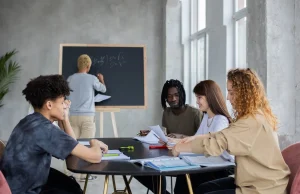
Collaborative learning is an educational method that facilitates the active engagement of students in the learning process through collaboration and peer support. It involves creating small groups of learners who work together on tasks, projects, or assignments. Each group member contributes their unique perspectives, skills, and experiences, fostering a dynamic and interactive learning environment.
Benefits of Collaborative Learning
1. Enhanced Comprehension: When students work together to solve problems or create projects, they engage in deep discussions, ask clarifying questions, and share their understanding. This process helps them develop a more comprehensive and nuanced understanding of the material.
2. Critical Thinking and Problem-Solving: Collaborative learning encourages students to think critically and reason independently. By collaborating with peers, they learn to consider multiple perspectives, evaluate different approaches, and develop innovative solutions to complex problems.
3. Communication and Presentation Skills: Working in groups fosters students’ communication and presentation skills. They learn to convey their ideas effectively, listen attentively to others, and engage in respectful dialogue.
4. Increased Motivation and Engagement: When students work together to achieve a common goal, they feel a sense of purpose and belonging. This increased motivation translates into higher levels of engagement and participation in the learning process.
5. Social and Emotional Development: Collaborative learning provides students with opportunities to interact with a diverse group of peers, building their social skills and fostering empathy. It also helps them develop leadership, teamwork, and conflict resolution abilities.
Types of Collaborative Learning
There are various types of collaborative learning models, including:
- Group Projects: Students work together on extended projects, such as research papers, presentations, or simulations.
- Peer Tutoring: Students help each other understand concepts and work through problems, with one student acting as the tutor and the other as the tutee.
- Cooperative Learning: Students form small groups and are assigned specific roles and tasks within the group, ensuring that all members contribute equally.
- Think-Pair-Share: Students work independently to generate ideas, then pair up to discuss their ideas and finally share them with the entire class.
Essential Elements of Collaborative Learning
Effective collaborative learning experiences require:
- Clear Learning Objectives: The purpose of the collaborative task should be明确defined and aligned with the desired outcomes.
- Well-Formed Groups: Groups should be small (3-6 students), diverse in terms of skills and perspectives, and purposefully composed to create a balanced and productive team.
- Structured Interactions: Activities should be designed to promote active engagement, encourage peer support, and foster meaningful discussions.
- Assessment and Reflection: Both individual student performance and group outcomes should be assessed to provide feedback and encourage continuous improvement.
Conclusion
Collaborative learning is an innovative pedagogical approach that harnesses the power of teamwork to enhance student learning outcomes. By providing a dynamic and interactive learning environment, it promotes comprehension, critical thinking, communication skills, and social development. Embracing collaborative learning strategies can revolutionize education and empower students to become more successful and well-rounded individuals.
Secondary Keywords:
- Collaborative Study
- Cooperative Learning
- Peer Learning
- Active Learning
- Student Engagement
- Group Learning
- Teamwork in Education
- Communication Skills in Education
- Critical Thinking Skills in Education
- Problem-Solving Skills in Education