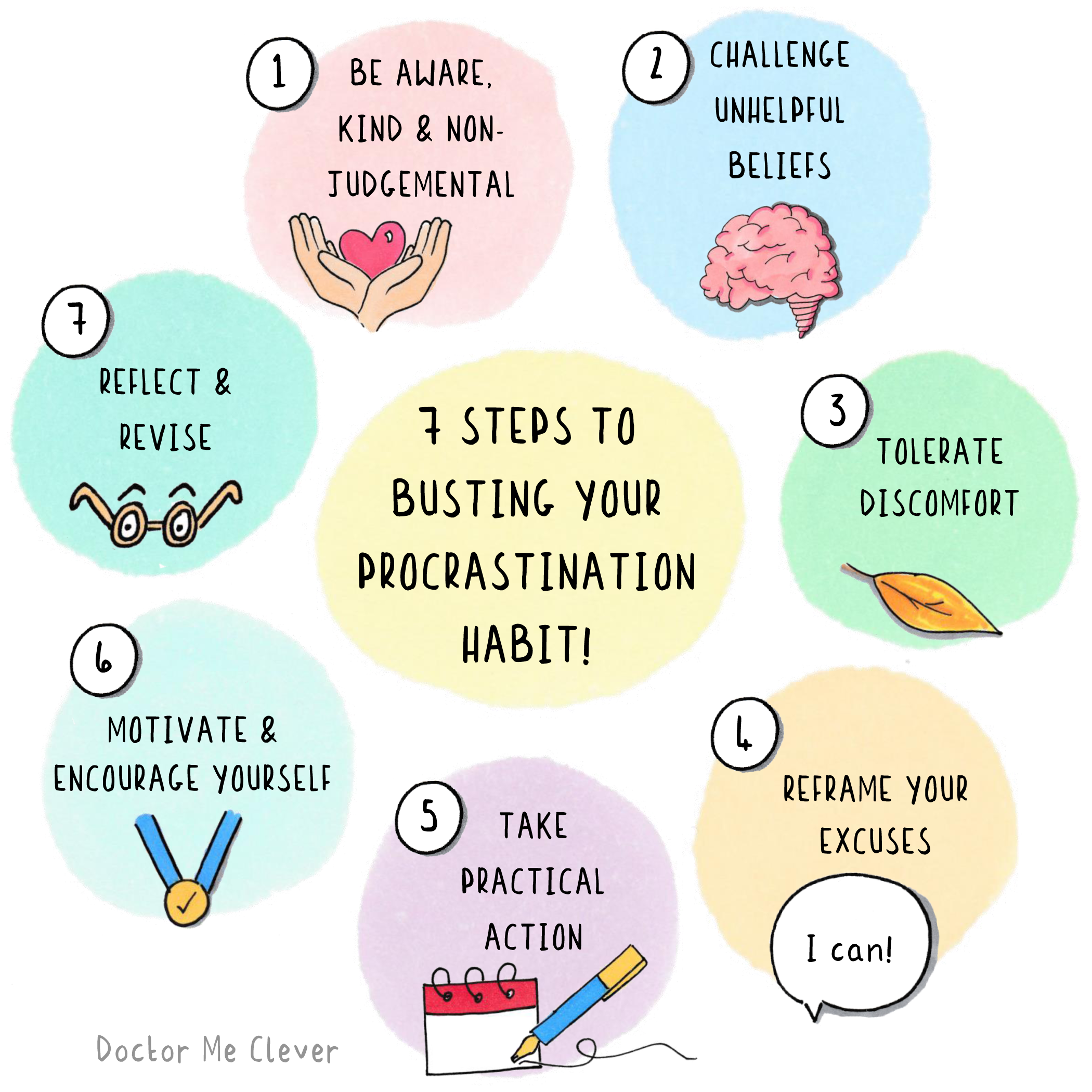
From Procrastination to Productivity: Building Effective Habits
Understanding Procrastination
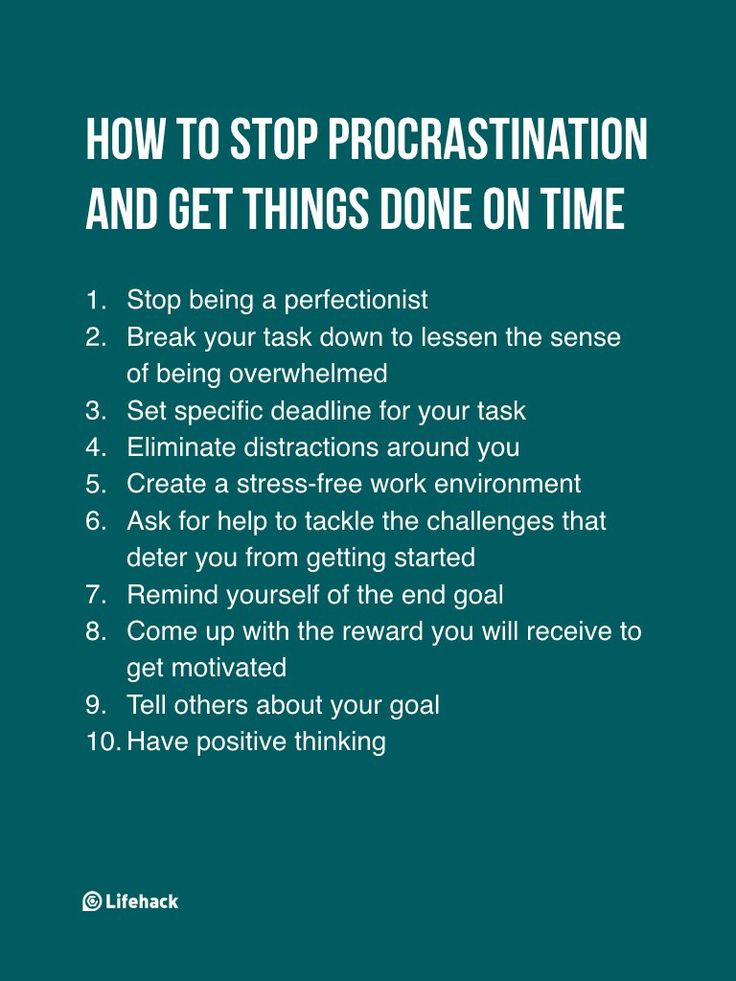
- Identify triggers: Pinpoint the specific situations, emotions, or tasks that lead to procrastination.
- Cognitive distortions: Examine how negative thoughts, such as fear of failure or overwhelming tasks, contribute to procrastination.
- Reward mechanisms: Recognize the instant gratification received from delaying tasks, such as watching TV or browsing social media.
Overcoming Procrastination
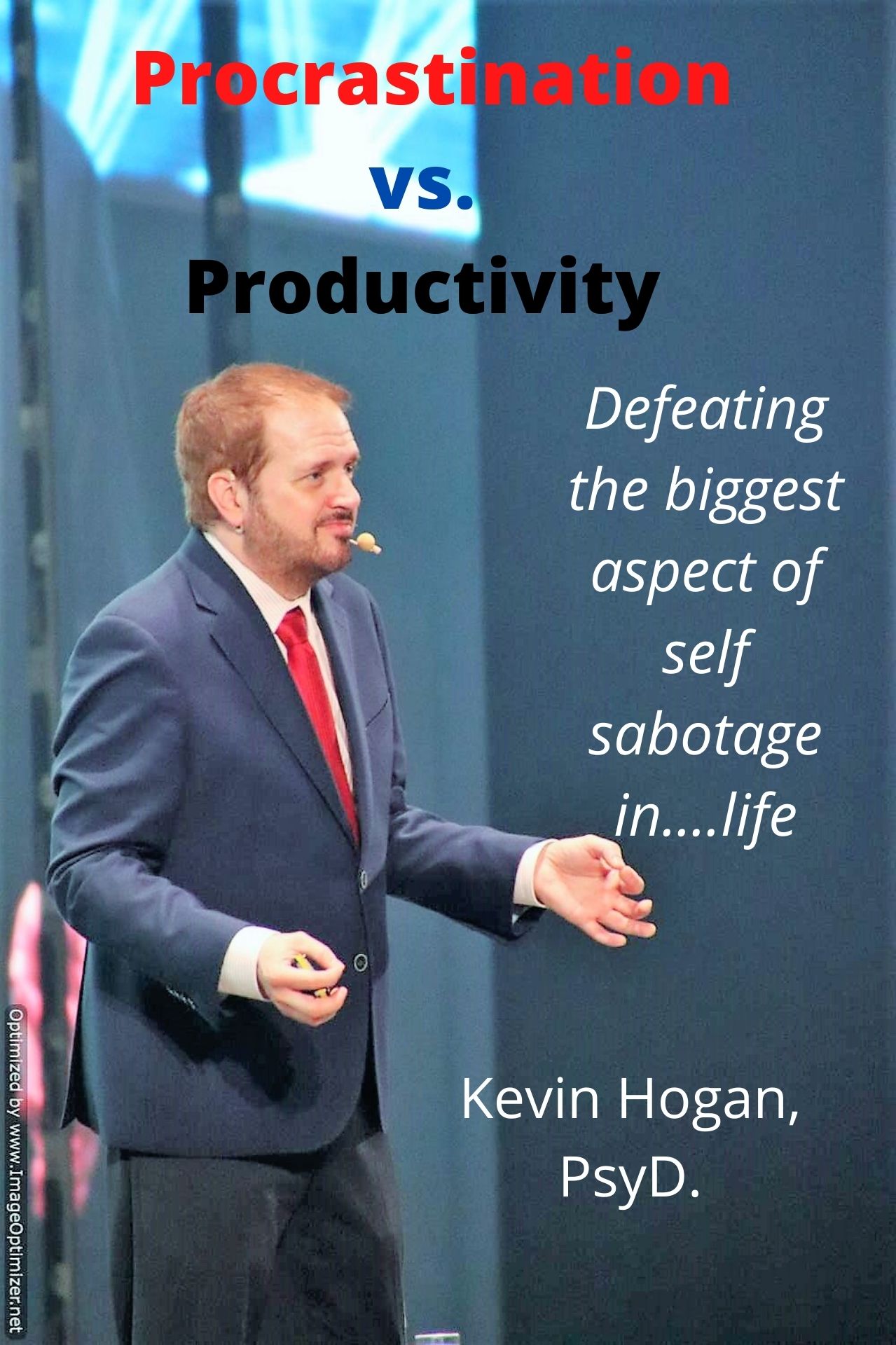
- Set SMART goals: Establish specific, measurable, attainable, relevant, and time-bound goals to provide clarity and motivation.
- Break down tasks: Divide large or daunting tasks into smaller, more manageable chunks.
- Use the Pomodoro Technique: Alternate 25-minute work sessions with 5-minute breaks to maintain focus and prevent burnout.
- Create a distraction-free environment: Remove potential distractions, such as social media, noisy places, or clutter, to enhance concentration.
Building Effective Habits
- Start small: Begin with achievable habits to avoid feeling overwhelmed.
- Establish a routine: Regularly practice the desired habit at specific times or in specific situations.
- Use visual cues: Create reminders, such as sticky notes or calendar events, to trigger action.
- Seek support: Join accountability groups, seek guidance from a mentor, or confide in friends or family for encouragement.
Additional Strategies
- Reward yourself: Recognize and reward progress, both big and small, to maintain motivation.
- Track your progress: Use a journal, app, or habit tracker to monitor your successes and identify areas for improvement.
- Don’t be afraid to fail: Mistakes and setbacks are inevitable. Learn from them and adjust your strategies accordingly.
- Celebrate your achievements: Acknowledge and appreciate your accomplishments to reinforce the positive habit loop.
Remember:
- Building effective habits takes time and effort.
- Be patient and persistent with yourself.
- Focus on progress over perfection.
- With consistent practice, you can overcome procrastination and transform into a more productive and fulfilled individual.## From Procrastination To Productivity: Building Effective Habits
Executive Summary
Procrastination is a universal enemy, hindering productivity and personal growth. This comprehensive article will guide you through the labyrinth of procrastination, empowering you with strategies to break free and forge effective habits. By comprehending the nature of procrastination, implementing science-backed techniques, and establishing an optimal environment, you can triumph over this persistent challenge and unleash your full potential.
Introduction
Procrastination is a persistent human affliction, stemming from a complex interplay of psychological factors. It manifests as an irrational tendency to delay or avoid tasks, despite their potential consequences. This article delves into the mechanisms underlying procrastination and provides practical solutions to overcome this impediment to productivity.
FAQs
- Why do we procrastinate?
Procrastination arises from a combination of factors, including fear of failure, lack of motivation, poor time management, and perfectionism.
- How can I stop procrastinating?
Breaking the cycle of procrastination requires a multi-pronged approach involving setting realistic goals, breaking down tasks, reducing distractions, and rewarding yourself for accomplishments.
- What is the best way to stay motivated?
Motivation is a crucial element in combating procrastination. Identify your “why,” set clear goals, celebrate successes, and seek support from mentors or peers.
Key Subtopics
Understanding the Cycle of Procrastination
- Recognize the triggers: Identify the situations, emotions, or thoughts that prompt you to procrastinate.
- Mind the gap: Understand the discrepancy between your intended actions and your actual behavior.
- Overcoming self-sabotage: Identify and challenge negative self-talk and limiting beliefs that contribute to procrastination.
Setting Realistic Goals
- Break down tasks: Dividing large projects into smaller, manageable chunks makes them less intimidating and easier to initiate.
- Prioritize effectively: Focus on completing high-priority tasks first to avoid feeling overwhelmed.
- Establish deadlines: Set realistic deadlines to create a sense of urgency and motivate action.
Time Management Strategies
- Pomodoro Technique: Alternate between focused work sessions and short breaks to maintain focus and prevent burnout.
- To-do lists and planners: Use these tools to track tasks, set reminders, and stay organized.
- Minimize distractions: Eliminate external stimuli that divert your attention, such as social media or noise.
Motivation and Mindset
- Identify your purpose: Connect your tasks to your core values and long-term goals to fuel intrinsic motivation.
- Celebrate successes: Recognize and reward your accomplishments, regardless of their size, to build self-confidence and stay motivated.
- Surround yourself with positivity: Seek support from encouraging friends, family, or mentors who believe in your abilities.
Building a Productive Environment
- Create a designated workspace: Establish a physical space dedicated to work, free from distractions and clutter.
- Optimize lighting and temperature: Adjust lighting and temperature to create an optimal environment for focus and productivity.
- Declutter your surroundings: Remove unnecessary items and distractions to minimize mental clutter and enhance focus.
Conclusion
Overcoming procrastination is a journey of self-discovery and habit formation. By unraveling the psychological underpinnings of procrastination, implementing science-backed strategies, and creating a supportive environment, you can break free from its clutches and unlock your true potential. Building effective habits is a gradual process, but with persistence and determination, you can transform procrastination into productivity and achieve your personal and professional goals.
Keyword Tags
- Procrastination
- Productivity
- Habit Formation
- Time Management
- Mindset