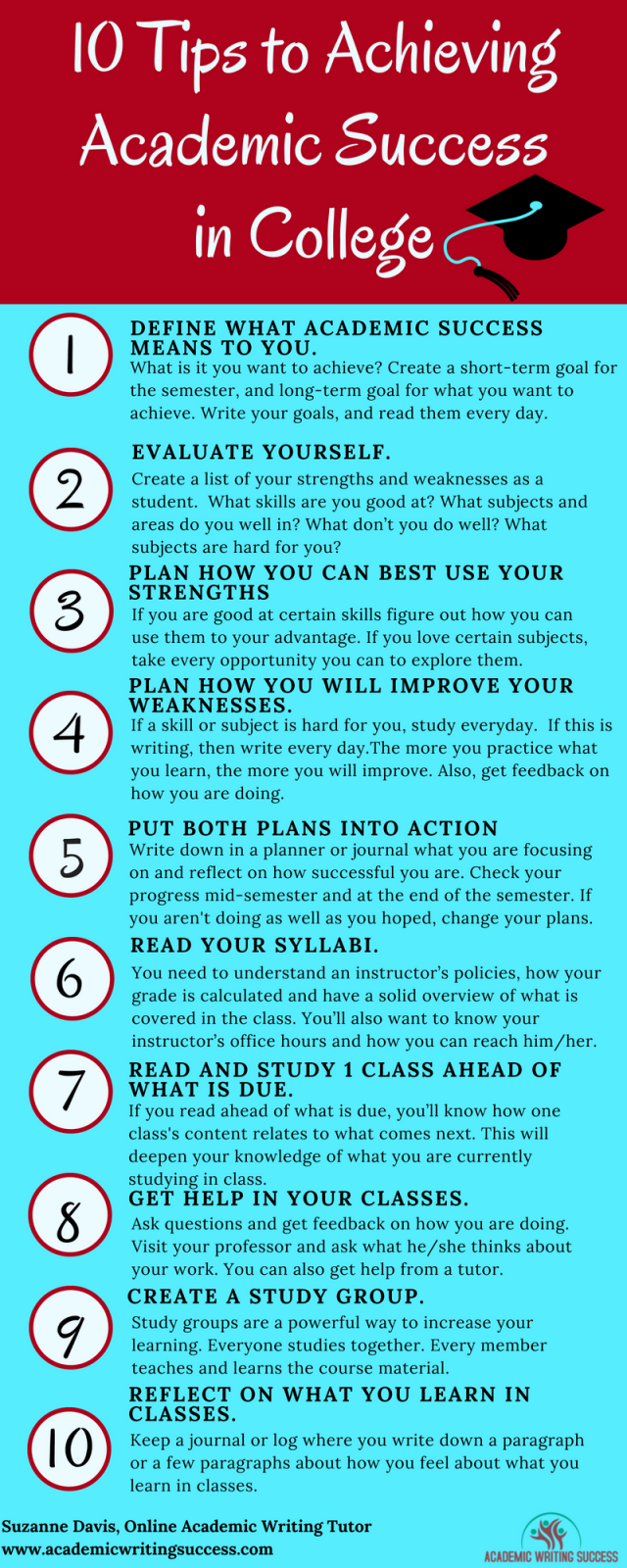
Effective Time Management Strategies for Academic Success
1. Set Clear Goals and Priorities:

- Identify specific academic objectives and prioritize them based on importance and urgency.
- Break down large tasks into smaller, manageable chunks to make them less daunting.
2. Create a Realistic Schedule:
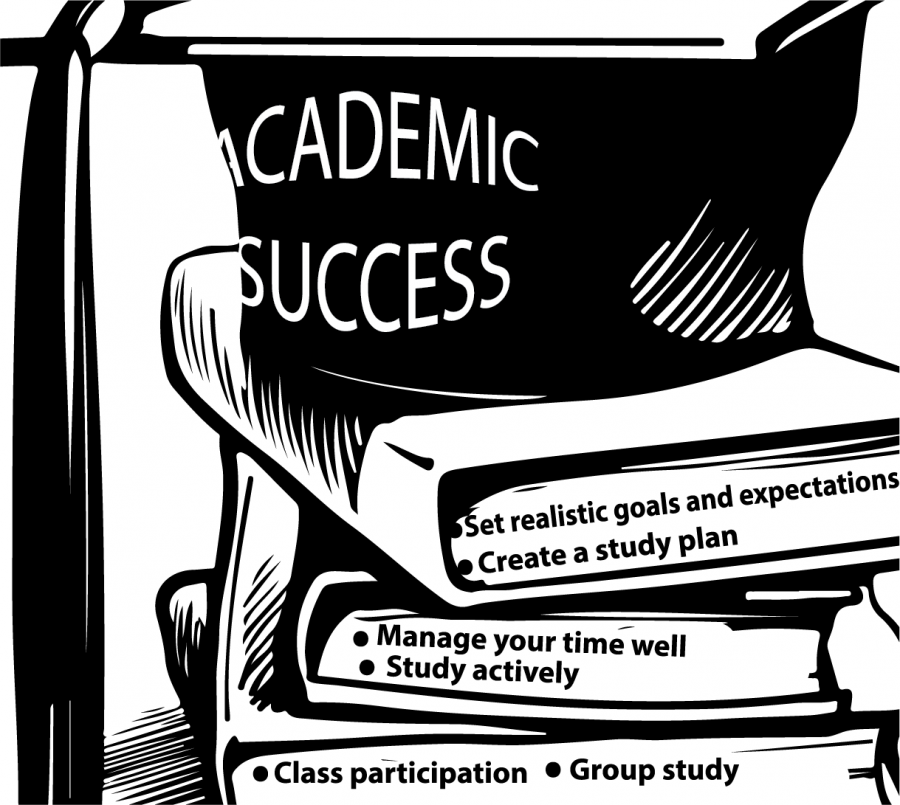
- Allocate specific time slots for studying, assignments, and other academic activities.
- Balance academic responsibilities with breaks, socialization, and relaxation.
- Stick to the schedule as much as possible to avoid procrastination.
3. Eliminate Distractions:
- Identify and minimize distractions during study sessions.
- Create a dedicated study space free from noise, social media, and other interruptions.
- Use noise-canceling headphones or white noise to block out distractions.
4. Use a Planner or Calendar:
- Keep track of assignments, exams, and important dates.
- Color-code different subjects or activities to make the schedule visually appealing.
- Review the planner regularly to stay organized and avoid conflicts.
5. Delegate and Ask for Help:
- If possible, delegate non-essential tasks or seek assistance from friends, family, or classmates.
- Don’t hesitate to reach out to teachers, tutors, or support services for guidance and clarification.
6. Utilize Technology:
- Use study apps, digital planners, and online resources to streamline your workflow.
- Explore productivity tools like the Pomodoro Technique or Eisenhower Matrix to optimize time management.
7. Take Breaks and Reward Yourself:
- Schedule short breaks throughout the day to avoid burnout.
- Engage in activities that recharge your energy, such as exercise, meditation, or spending time with loved ones.
- Reward yourself for completing tasks as a form of positive reinforcement.
8. Evaluate and Adjust:
- Regularly review your time management strategies and make adjustments as needed.
- Identify areas where you can improve efficiency and eliminate time-wasters.
- Seek feedback from others to gain insights into your effectiveness.
Additional Tips:
- Start studying early to avoid last-minute cramming.
- Review material regularly to reinforce retention.
- Practice active recall by testing yourself on learned concepts.
- Collaborate with classmates to share notes and study together.
- Seek support from academic advisors or counselors for personalized guidance.
Remember, effective time management is a skill that can be developed over time. By implementing these strategies consistently, you can maximize your productivity, reduce stress, and achieve academic success.## How To Achieve Academic Success With Time Management
Executive Summary
Time management is crucial for academic success, enabling students to:
- Prioritize tasks effectively
- Allocate study time wisely
- Reduce stress and anxiety
- Improve focus and concentration
- Achieve better grades
Introduction
In the demanding academic landscape, time management is the key to unlocking success. By mastering this skill, students can optimize their study habits, reduce stress, and achieve their academic goals. This article delves into the essential strategies and techniques that empower students to manage their time effectively, maximizing their academic potential.
FAQ
1. Why is time management important for academic success?
Time management allows students to prioritize tasks, allocate study time wisely, and reduce stress, enabling them to focus better and improve their academic performance.
2. How can I improve my time management skills?
Effective time management involves setting goals, creating a schedule, and sticking to it. It also includes breaking down tasks, prioritizing them, and eliminating distractions.
3. What are the consequences of poor time management?
Poor time management can lead to missed deadlines, low grades, stress, anxiety, and procrastination. It can hinder students from achieving their academic goals and can negatively impact their overall well-being.
Subtopics
Prioritizing Tasks
- Identify important tasks: Focus on assignments and deadlines that carry higher weightage or require more effort.
- Set priorities using the Eisenhower Matrix: Categorize tasks based on urgency and importance, prioritizing those that are both urgent and important.
- Use a to-do list: Create a prioritized list of tasks that need to be completed, checking them off as they are finished.
- Delegate or eliminate non-essential tasks: Identify tasks that are less important or can be outsourced to free up time for more critical tasks.
- Avoid procrastination: Break down large or challenging tasks into smaller, manageable chunks to avoid feeling overwhelmed.
Creating a Schedule
- Set realistic goals: Create a study schedule that is feasible given your commitments and workload.
- Allocate specific time slots for study: Schedule regular study sessions for each subject, ensuring consistency and accountability.
- Include breaks and rewards: Plan short breaks between study sessions to maintain focus and motivation. Reward yourself for completing tasks to stay motivated.
- Be flexible and adapt: Adjust your schedule as needed, accommodating unforeseen events or changes in workload.
- Use technology to your advantage: Utilize calendar apps, reminders, and to-do list apps to stay organized and on track.
Managing Distractions
- Identify common distractions: Pinpoint distractions such as social media, notifications, or noise that disrupt your study time.
- Create a distraction-free environment: Study in a quiet area, turn off notifications, and eliminate unnecessary clutter.
- Use active noise cancellation: Consider using headphones or earplugs to minimize background noise and enhance focus.
- Take regular breaks: Step away from your study area periodically to clear your head and reduce the likelihood of distractions.
- Practice mindfulness techniques: Engage in brief mindfulness exercises, such as deep breathing or meditation, to train your attention and reduce distraction.
Eliminating Time Wasters
- Procrastination: Break down large tasks into smaller, manageable chunks to overcome procrastination.
- Multitasking: Avoid multitasking and focus on completing one task at a time to enhance efficiency and reduce errors.
- Social media: Limit social media usage during study sessions to minimize distractions and stay focused.
- Unnecessary breaks: Stick to planned breaks rather than taking frequent, unplanned breaks that disrupt your workflow.
- Disorganization: Keep your study materials organized to avoid wasting time searching for notes or materials.
Overcoming Challenges
- Time constraints: Break down large tasks into smaller, more manageable chunks. Negotiate deadlines when possible.
- Stress and anxiety: Practice relaxation techniques such as deep breathing or meditation to manage stress and reduce its impact on time management.
- Lack of motivation: Set realistic goals, reward yourself for accomplishments, and connect your studies to your long-term aspirations to stay motivated.
- Self-discipline: Develop self-discipline by gradually increasing study time and reducing distractions. Hold yourself accountable for following your schedule.
- Seek support: If needed, seek support from peers, tutors, or counselors to address challenges and enhance time management strategies.
Conclusion
Effective time management is a cornerstone of academic success. By implementing the strategies outlined in this article, students can prioritize tasks, create a schedule, manage distractions, eliminate time wasters, and overcome challenges. Mastery of time management empowers students to optimize their study habits, reduce stress, and achieve their academic goals. Embracing these techniques is an investment in their future success, setting them on a path of academic excellence and personal fulfillment.
Keywords
- Time Management
- Academic Success
- Task Prioritization
- Schedule Creation
- Distraction Management