
Improved Physical Health:
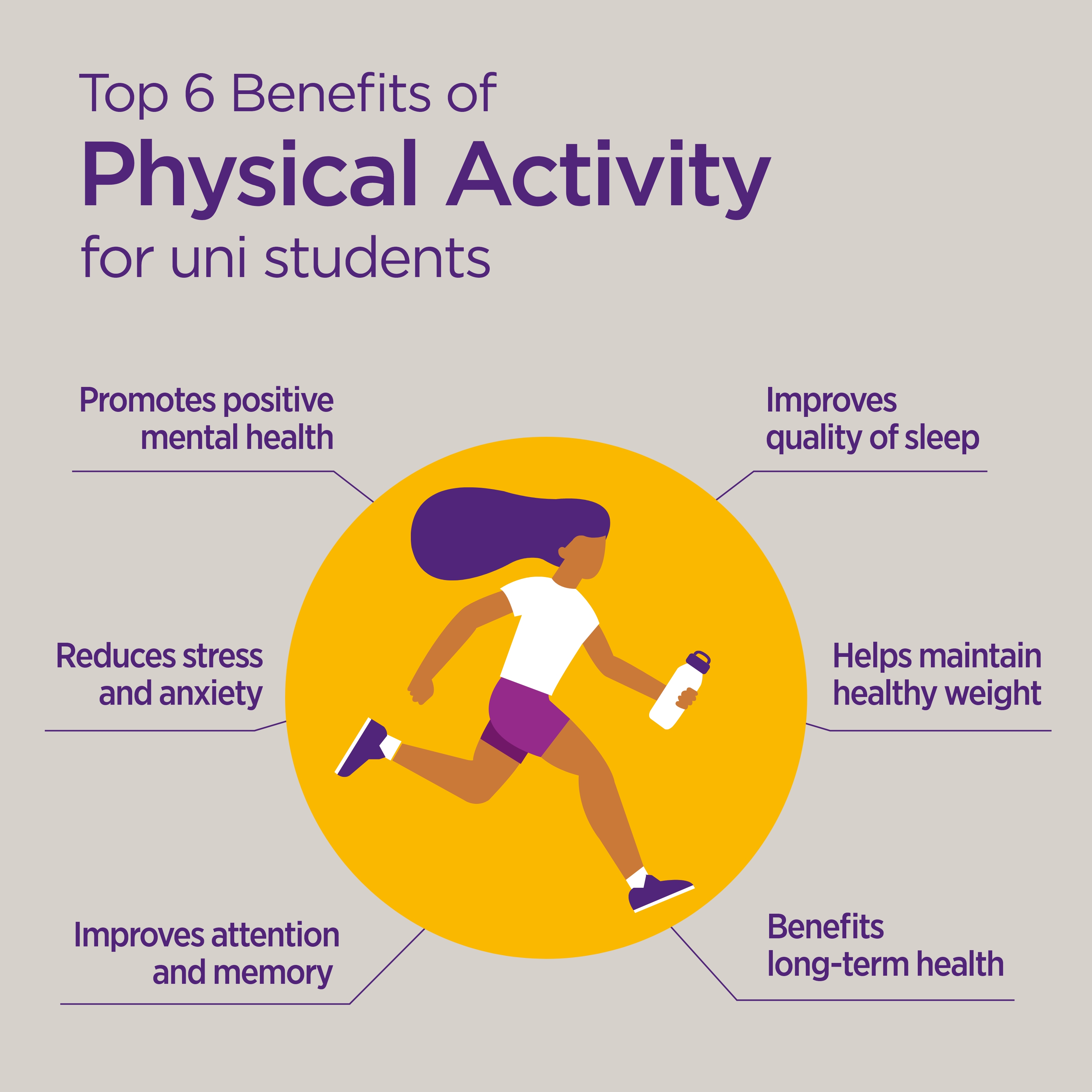
- Reduced risk of chronic diseases: Regular physical activity helps reduce the risk of heart disease, stroke, type 2 diabetes, and certain types of cancer.
- Stronger muscles and bones: Exercise builds muscle mass, strengthens bones, and improves flexibility.
- Improved cardiovascular fitness: Cardio exercises such as running, swimming, or cycling increase heart rate and improve blood flow throughout the body.
- Increased energy levels: Physical activity boosts metabolism and releases endorphins, which can improve mood and energy levels.
Enhanced Cognitive Function:
- Improved memory and concentration: Exercise promotes blood flow to the brain, which enhances cognitive function and memory.
- Reduced stress and anxiety: Physical activity can help reduce anxiety and stress levels, which can improve focus and concentration.
- Increased creativity and problem-solving: Exercise has been linked to increased creativity, problem-solving skills, and overall brain health.
Better Emotional Health:

- Improved mood: Exercise releases endorphins, which have mood-boosting effects. It can help reduce symptoms of depression and improve overall well-being.
- Increased self-esteem: Regular physical activity can help students feel more confident and have a more positive body image.
- Enhanced sleep quality: Exercise can promote restful sleep by reducing stress and regulating sleep patterns.
Improved Academic Performance:
- Increased attention span: Physical activity can improve attention and focus, which is beneficial for academic performance.
- Better memory: Exercise enhances memory function, which can help students retain information better.
- Reduced absenteeism: Students who engage in regular physical activity are less likely to miss school due to illness or injury.
- Increased motivation: Physical activity can boost motivation and enthusiasm for learning.
Other Benefits:
- Reduced healthcare costs: Regular physical activity can help prevent or manage chronic conditions, ultimately reducing healthcare costs.
- Increased social interaction: Participating in sports or group fitness classes can provide opportunities for students to socialize and make new friends.
- Enhanced quality of life: Regular physical activity promotes overall well-being and quality of life, which can have a positive impact on students’ lives beyond the classroom.## The Benefits of Regular Physical Activity for Students
Executive Summary
In this article, we will discuss the benefits of regular physical activity for students. We will cover the impact of physical activity on physical and mental health, as well as academic performance. We will also provide tips on how students can fit physical activity into their busy schedules.
Introduction
Physical activity is one of the most important things that students can do for their health. Regular physical activity can help students improve their physical and mental health, as well as their academic performance.
FAQs
What are the benefits of physical activity for students?
Regular physical activity can help students:
- Improve their physical health
- Improve their mental health
- Improve their academic performance
How much physical activity do students need?
The Centers for Disease Control and Prevention (CDC) recommends that children and adolescents get at least 60 minutes of moderate-intensity physical activity each day.
How can students fit physical activity into their busy schedules?
There are many ways that students can fit physical activity into their busy schedules. Some tips include:
- Walking or biking to school
- Participating in a sport or other extracurricular activity
- Taking a walk or run during the day
- Doing chores around the house
The Importance of Physical Activity for Students
Physical Health Benefits
Regular physical activity can help students improve their physical health in many ways. Physical activity can:
- Strengthen bones and muscles
- Improve cardiovascular health
- Reduce the risk of obesity and other chronic diseases
- Increase energy levels
- Improve sleep quality
Mental Health Benefits
Regular physical activity can also improve students’ mental health. Physical activity can:
- Reduce stress and anxiety
- Improve mood
- Increase self-esteem
- Improve cognitive function
- Reduce the risk of depression
Academic Performance Benefits
In addition to improving students’ physical and mental health, regular physical activity can also improve their academic performance. Physical activity can:
- Improve attention and focus
- Increase memory and recall
- Boost problem-solving skills
- Improve creativity
- Increase motivation
Tips for Fitting Physical Activity into a Busy Schedule
Fitting physical activity into a busy schedule can be a challenge, but it is important to make time for it. Here are a few tips:
- Set aside time each day for physical activity. Even if you can only squeeze in 15 minutes, it will make a difference.
- Choose activities that you enjoy. If you don’t enjoy an activity, you are less likely to stick with it.
- Make physical activity a priority. Don’t put it off until the end of the day when you are too tired to do it.
- Find a workout buddy. Having someone to work out with can help you stay motivated.
- Be creative. There are many ways to get physical activity. You don’t have to go to a gym or join a sports team. You can walk, run, bike, swim, or play pickup basketball.
Conclusion
Regular physical activity is one of the most important things that students can do for their health. Physical activity can help students improve their physical and mental health, as well as their academic performance. There are many ways that students can fit physical activity into their busy schedules. By following these tips, students can make physical activity a part of their daily routine and reap the many benefits it has to offer.
Keywords
- Physical activity
- Students
- Health
- Academic performance
- Benefits