The Science Behind Procrastination
Prefrontal Cortex Dysfunction: Procrastination is linked to impaired functioning of the prefrontal cortex, the brain region responsible for executive functions like planning, decision-making, and impulse control.

Dopamine Dysregulation: Procrastination can be driven by a desire to seek instant gratification through activities that release dopamine, such as social media or snacking. This can lead to a dopamine spike that reinforces the behavior and makes it difficult to focus on tasks that don’t provide immediate rewards.

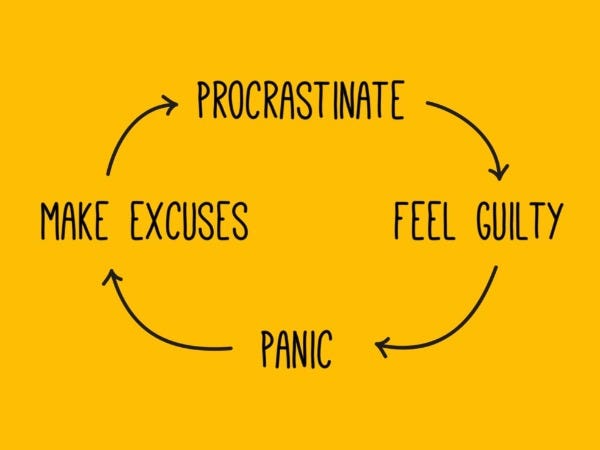
Negative Emotions: Procrastination is often accompanied by negative emotions like anxiety, guilt, and self-criticism. These emotions can make it even more difficult to initiate tasks.

Overcoming Procrastination
Identify Triggers: Determine what situations or emotions trigger your procrastination. Understanding these triggers can help you develop strategies to avoid or mitigate them.
Set Realistic Goals: Break down large tasks into smaller, achievable steps. This can make the task seem less daunting and reduce feelings of overwhelm.
Reward Yourself: Establish small rewards for completing tasks. By providing yourself with positive reinforcement, you can make procrastination less appealing.
Practice Self-Discipline: Develop habits that promote self-discipline, such as waking up at the same time each day and following a regular schedule.
Use Technology to Your Advantage: Utilize apps or tools that track progress, block distractions, and create reminders.
Maximizing Output
Implement the Pomodoro Technique: Alternate between focused work sessions and short breaks to maintain focus and prevent burnout.
Parkinson’s Law: Set deadlines for tasks to minimize procrastination. Start with short deadlines and gradually increase the time allotted.
Eat a Healthy Diet and Exercise: Nourish your body and mind to improve cognitive function and energy levels.
Get Enough Sleep: Aim for 7-9 hours of sleep per night to ensure optimal alertness and focus.
Seek Professional Help: If procrastination is significantly impacting your life, consider seeking support from a therapist or counselor.
Conclusion
Overcoming procrastination and maximizing output requires understanding the science behind the behavior and implementing strategies to address its underlying causes. By identifying triggers, setting realistic goals, practicing self-discipline, and leveraging technology, individuals can break free from the cycle of procrastination and achieve their full potential.## The Science Behind Overcoming Procrastination And Maximizing Output
Executive Summary
Procrastination is a common problem that can lead to missed deadlines, decreased productivity, and increased stress. However, there are a number of evidence-based strategies that can help you overcome procrastination and get more done. This article will explore the science behind procrastination and provide you with practical tips for overcoming this challenge.
Introduction
Procrastination is the act of delaying or postponing a task or set of tasks despite knowing that they need to be completed. It is a common problem that can affect people of all ages and backgrounds. Procrastination can lead to a number of negative consequences, including missed deadlines, decreased productivity, and increased stress.
FAQs
- What are the causes of procrastination?
There are a number of factors that can contribute to procrastination, including:
Fear of failure
Feeling overwhelmed by a task
Lack of motivation
Difficulty concentrating
Distractions
What are the consequences of procrastination?
Procrastination can lead to a number of negative consequences, including:
Missed deadlines
Decreased productivity
Increased stress
Poor academic performance
Lost opportunities
How can I overcome procrastination?
There are a number of evidence-based strategies that can help you overcome procrastination, including:
- Breaking down large tasks into smaller, more manageable ones
- Setting realistic deadlines
- Creating a to-do list and prioritizing tasks
- Eliminating distractions
- Rewarding yourself for completing tasks
Top 5 Subtopics for Overcoming Procrastination
1. Identifying Your Triggers
The first step to overcoming procrastination is to identify your triggers. These are the situations or emotions that make you more likely to procrastinate. Once you know what your triggers are, you can start to develop strategies for avoiding them or coping with them in a healthy way.
- Common procrastination triggers include:
- Feeling overwhelmed
- Feeling anxious or stressed
- Feeling bored
- Being distracted
- Having low self-esteem
2. Setting Realistic Goals
One of the most important things you can do to overcome procrastination is to set realistic goals. If you set goals that are too ambitious, you are more likely to feel overwhelmed and give up. Instead, break down your goals into smaller, more manageable steps. This will make them seem less daunting and more achievable.
- When setting goals, keep the following in mind:
- Make sure your goals are specific, measurable, achievable, realistic, and time-bound.
- Break down large goals into smaller, more manageable steps.
- Set deadlines for yourself and stick to them.
- Celebrate your successes, no matter how small.
3. Creating a To-Do List
A to-do list can be a helpful tool for overcoming procrastination. It can help you to stay organized and focused on your tasks. When creating a to-do list, be sure to include the following information:
- What task needs to be completed
- When the task needs to be completed
- Who is responsible for completing the task
- What resources are needed to complete the task
- Any notes or reminders about the task
4. Eliminating Distractions
Distractions are one of the biggest enemies of productivity. If you want to overcome procrastination, it is important to eliminate as many distractions as possible from your work environment. This means turning off your phone, closing unnecessary tabs on your computer, and finding a quiet place to work.
- Some tips for eliminating distractions include:
- Turn off your phone and put it away.
- Close unnecessary tabs on your computer.
- Find a quiet place to work.
- Use noise-canceling headphones.
- Take breaks throughout the day to move around and clear your head.
5. Rewarding Yourself
Rewarding yourself for completing tasks is a great way to stay motivated and on track. When you complete a task, give yourself a small reward, such as a break, a snack, or a favorite activity. This will help you to associate positive feelings with completing tasks, which will make you more likely to do them in the future.
- Some tips for rewarding yourself:
- Choose rewards that are small and achievable.
- Make sure your rewards are something that you enjoy.
- Give yourself a reward immediately after completing a task.
- Don’t beat yourself up if you don’t always complete a task perfectly. Just focus on making progress and rewarding yourself for your effort.
Conclusion
Overcoming procrastination is not easy, but it is possible. By following the strategies outlined in this article, you can identify your triggers, set realistic goals, create a to-do list, eliminate distractions, and reward yourself for completing tasks. With time and effort, you can overcome procrastination and achieve your goals.
Keyword Tags
- Procrastination
- Productivity
- Time management
- Goal setting
- Motivation