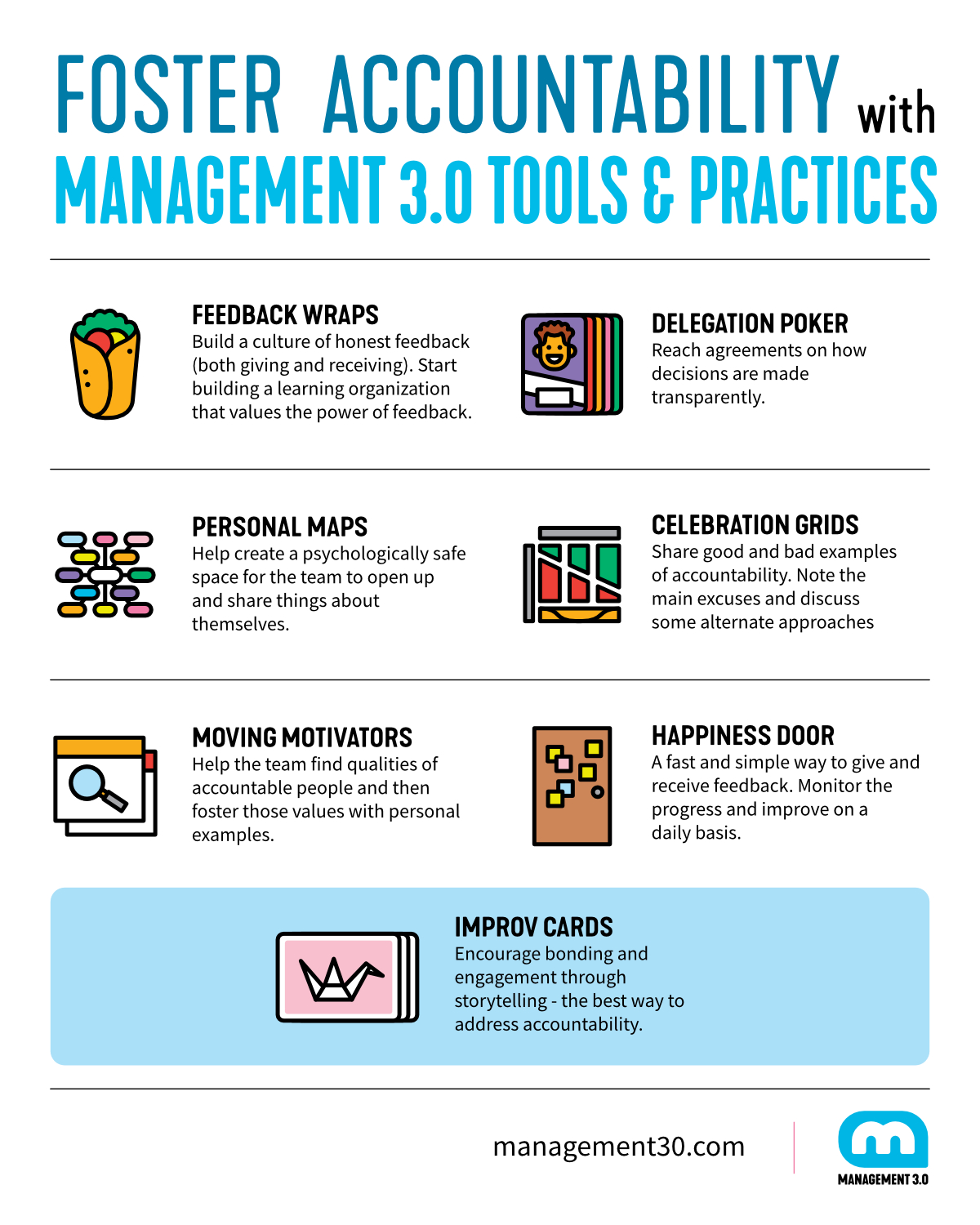
Enlist Support
- Find an accountability partner: Identify a friend, colleague, or family member who is willing to track your progress and hold you accountable.
- Join a support group: Attend regular meetings with others who are also struggling with procrastination.
- Hire a coach or therapist: Seek professional guidance to develop strategies for overcoming procrastination.
Set Realistic Goals

- Break down large tasks: Divide overwhelming tasks into smaller, manageable chunks.
- Set achievable milestones: Create clear goals with specific timelines to avoid feeling overwhelmed.
- Prioritize tasks: Determine which tasks are most important and focus on completing those first.
Create a Structure
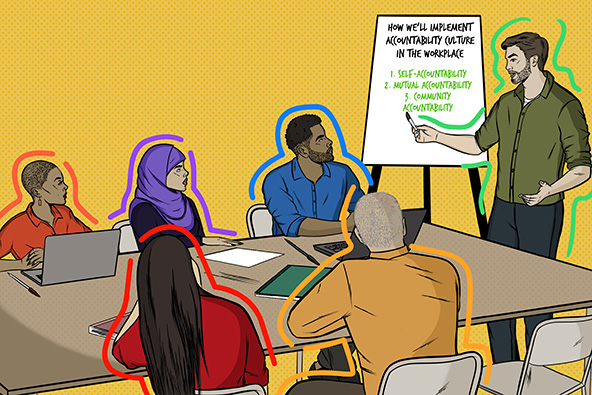
- Use a planner or calendar: Schedule daily assignments and track your time to avoid distractions.
- Establish a dedicated workspace: Create a distraction-free environment to minimize interruptions.
- Block distractions: Use apps or browser extensions to block distracting websites and notifications.
Encourage Positive Feedback
- Reward yourself for progress: Celebrate successes, no matter how small, to motivate yourself and build confidence.
- Seek positive reinforcement: Ask your accountability partner or support group to acknowledge your efforts and provide encouragement.
- Recognize setbacks as learning opportunities: Don’t dwell on mistakes. Instead, analyze what went wrong and adjust your strategies accordingly.
Remove Excuses
- Identify procrastination triggers: Determine what situations or feelings typically lead to procrastination.
- Develop coping mechanisms: Create strategies to deal with procrastination triggers, such as deep breathing or exercise.
- Eliminate distractions: Remove any obstacles that make it easier to procrastinate, such as social media or television.
Empower Yourself
- Believe in your ability: Convince yourself that you can overcome procrastination.
- Cultivate self-discipline: Practice resisting the urge to procrastinate and develop the habit of starting tasks promptly.
- Embrace challenges: View procrastination as an opportunity for growth and self-improvement.## Building Accountability: How Others Can Help You Overcome Procrastination
Executive Summary
Procrastination is a common issue that can lead to missed deadlines, lower productivity, and increased stress. While overcoming procrastination can be challenging, there are strategies that can help, including enlisting the support of others. This article explores how building accountability can help you overcome procrastination, providing practical tips and examples to guide your efforts.
Introduction
Procrastination is a persistent habit that involves delaying or postponing tasks that need to be done. Understanding the reasons behind procrastination is crucial for finding effective solutions. Common triggers include fear of failure, difficulty starting tasks, or lack of motivation. Building accountability can be a powerful tool in addressing these challenges and helping individuals break the procrastination cycle.
FAQs
What is accountability?
Accountability is a state of being responsible and answerable for one’s actions, behavior, and outcomes.How can accountability help with procrastination?
Accountability creates pressure to complete tasks, increases motivation, and provides external support.Who can hold me accountable?
Friends, family, colleagues, mentors, or professional accountability coaches can provide support and accountability.
Top 5 Subtopics
1. Task Breakdown
Task breakdown involves breaking down large or overwhelming tasks into smaller, more manageable chunks. This approach helps reduce the perceived difficulty of the task and makes it easier to make progress.
- Define specific goals: Clearly specify what needs to be accomplished.
- Create a step-by-step plan: Divide the task into smaller, sequential steps.
- Set realistic deadlines: Allocate appropriate timeframes for each step.
- Prioritize tasks: Determine which tasks are most important and require immediate attention.
- Eliminate distractions: Identify and minimize external and internal distractions during work sessions.
2. Goal Setting
Setting clear and actionable goals is essential for overcoming procrastination. Goals should be specific, measurable, achievable, relevant, and time-bound (SMART).
- Identify your values: Determine what matters most to you and align your goals with those values.
- Set realistic milestones: Break down goals into smaller, incremental steps to avoid feeling overwhelmed.
- Create a timeline: Establish deadlines for each milestone to maintain progress.
- Track your progress: Monitor your progress regularly and make adjustments as needed.
- Celebrate successes: Reward yourself for completing milestones to stay motivated.
3. Time Management
Effective time management techniques are crucial for overcoming procrastination. Planning your schedule, prioritizing tasks, and setting boundaries can help you make the most of your time.
- Use a planner or calendar: Schedule tasks and appointments to visualize your day.
- Prioritize tasks: Use the Eisenhower Matrix to determine which tasks are most important and urgent.
- Set time limits: Allocate specific time slots for focused work without distractions.
- Take breaks: Schedule regular breaks throughout the day to prevent burnout and maintain productivity.
- Say no to non-essential tasks: Protect your time by politely declining additional commitments that may hinder your progress.
4. Motivation
Staying motivated is key to overcoming procrastination. Identifying your intrinsic and extrinsic motivators can help you sustain your efforts over the long term.
- Identify your passions: Connect tasks to your personal interests and goals to increase enjoyment.
- Set rewards: Establish rewards for completing tasks or milestones to provide incentives.
- Visualize success: Picture the positive outcomes of completing tasks to boost motivation.
- Surround yourself with positivity: Seek support from friends, family, or mentors who believe in your abilities.
- Break down tasks: Tackle large tasks in smaller, manageable chunks to avoid feeling overwhelmed.
5. Accountability Partners
Finding an accountability partner can provide external support and pressure to stay on track.
- Identify a compatible partner: Choose someone who understands your challenges and is willing to support you.
- Establish clear expectations: Define the roles and responsibilities of both parties.
- Set regular check-ins: Schedule regular meetings or calls to discuss progress and provide feedback.
- Offer mutual support: Encourage each other and celebrate successes along the way.
- Hold each other accountable: Remind each other of deadlines and provide constructive feedback to stay on course.
Conclusion
Overcoming procrastination is a challenging but achievable goal. By building accountability, individuals can create a support system that provides motivation, pressure, and external support. Task breakdown, goal setting, time management, motivation, and accountability partners are key strategies that can help individuals overcome procrastination and achieve their goals. Remember, you are not alone in this journey, and support is available to help you succeed.
Relevant Keyword Tags
- Procrastination
- Accountability
- Time Management
- Goal Setting
- Motivation