Managing Stress in College
1. Time Management:

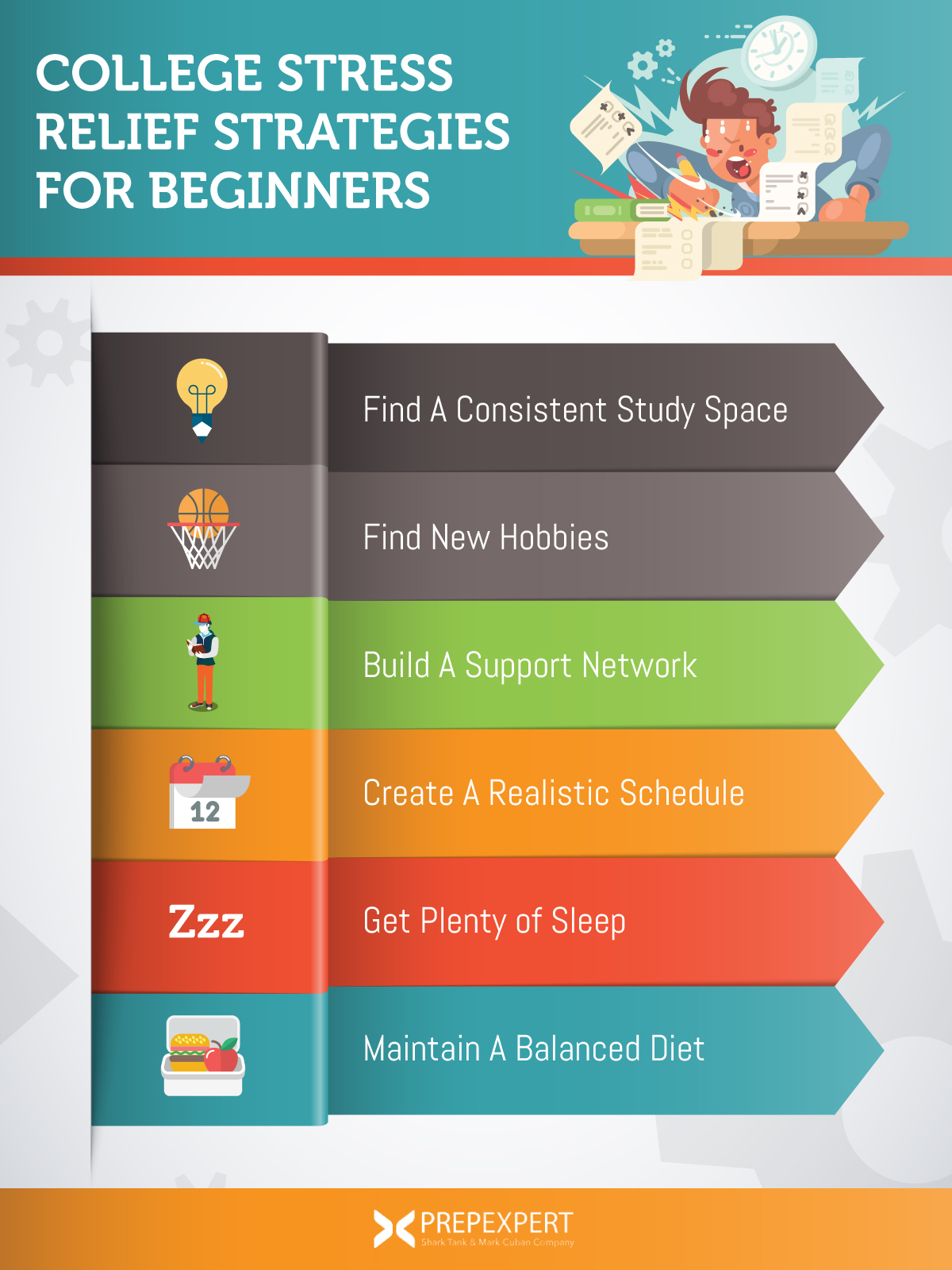
- Create a structured schedule for studying, assignments, and breaks.
- Prioritize tasks based on importance and urgency.
- Break down large assignments into smaller, manageable chunks.
- Avoid procrastination and start assignments early.
2. Study Techniques:
- Use active learning methods like spaced repetition, retrieval practice, and elaborative encoding.
- Find a study environment that is quiet, comfortable, and free from distractions.
- Take breaks during study sessions to allow for information to consolidate.
3. Physical Health:
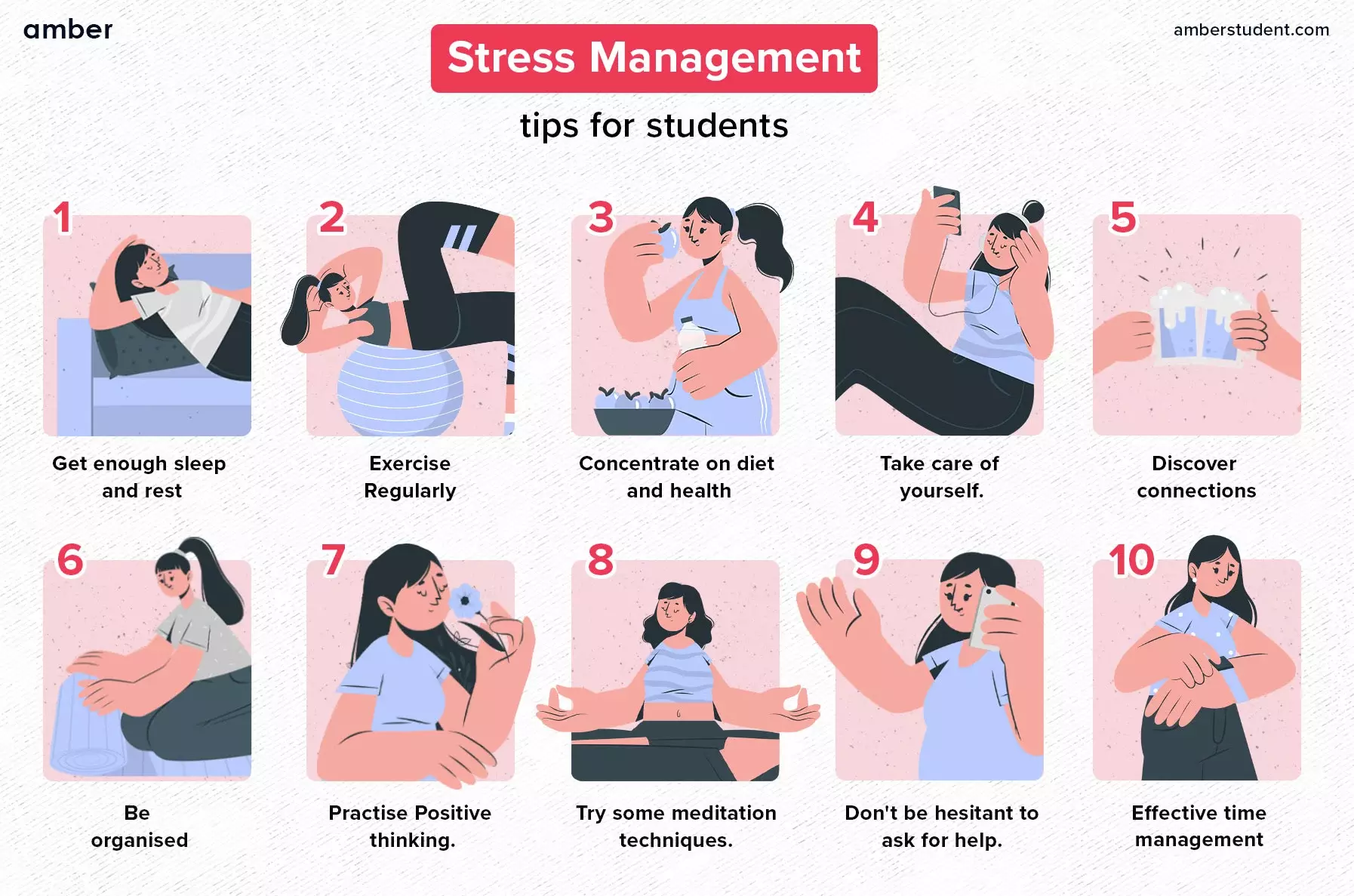
- Exercise regularly to release endorphins and reduce stress levels.
- Get enough sleep (7-9 hours per night).
- Eat a healthy diet that includes fruits, vegetables, and whole grains.
- Avoid excessive alcohol consumption and caffeine.
4. Social Support:
- Connect with friends, family, and classmates.
- Join clubs or organizations that provide a sense of belonging.
- Talk to a trusted friend, therapist, or counselor if needed.
5. Mindful Practices:
- Practice deep breathing exercises or meditation to calm the mind and body.
- Engage in activities that bring you joy and relaxation, such as hobbies or spending time with loved ones.
- Be present in the moment and avoid dwelling on worries.
6. Breaks and Boundaries:
- Schedule regular breaks throughout the day for rest and relaxation.
- Set boundaries with others and learn to say no to additional responsibilities when your schedule is full.
- Take time off from studying and socializing when needed.
7. Emotional Regulation:
- Identify sources of stress and develop coping mechanisms.
- Challenge negative thoughts and reframe them into more positive or realistic ones.
- Avoid comparison to others and focus on your own journey.
8. Academic Resources:
- Utilize campus resources such as writing centers, tutoring services, and counseling centers.
- Talk to professors during office hours if you have questions or concerns.
- Join study groups with classmates to support each other.
9. Sleep Hygiene:
- Establish a consistent sleep-wake cycle, even on weekends.
- Create a relaxing bedtime routine.
- Make sure your bedroom is dark, quiet, and cool.
- Avoid screens before bed as blue light can interfere with sleep.
10. Self-Care:
- Engage in activities that make you happy and fulfilled.
- Set aside time for self-reflection and identify areas where you can improve your well-being.
- Be kind to yourself and don’t be afraid to ask for help when needed.
Remember, stress is a normal part of college life. By implementing these strategies, you can effectively manage stress and maintain a healthy balance between academic, personal, and social commitments.## How To Manage Stress In College
Executive Summary
College can be an exciting time, but it can also be stressful. Students face a variety of challenges, from academic pressures to financial concerns to social isolation. Learning how to manage stress effectively is essential for students to succeed in college and beyond.
Introduction
As a college student, you are likely to experience stress from a variety of sources, including academic pressures, financial concerns, and social isolation. It is important to learn how to manage stress effectively in order to succeed in college and beyond. There are many different stress management techniques that you can try, and the best approach for you will depend on your individual needs.
FAQ
1. What are some common sources of stress for college students?
- Academic pressures: Students may feel stressed about getting good grades, meeting deadlines, and passing exams.
- Financial concerns: Students may worry about paying for tuition, fees, and living expenses.
- Social isolation: Students may feel lonely or isolated if they do not feel like they belong on campus.
2. What are some of the negative effects of stress?
- Stress can lead to a variety of physical and mental health problems, including headaches, stomachaches, sleep problems, and anxiety.
- Stress can also make it difficult to concentrate, make decisions, and cope with everyday tasks.
3. What are some effective stress management techniques?
- There are many different stress management techniques that you can try, and the best approach for you will depend on your individual needs. Some common techniques include exercise, relaxation techniques, and time management.
Top 5 Subtopics For Managing Stress In College
Exercise
- Exercise is a great way to relieve stress and improve your overall health.
- When you exercise, your body releases endorphins, which have mood-boosting effects.
- Exercise can also help you to sleep better, which can reduce stress levels.
Relaxation Techniques
- Relaxation techniques, such as deep breathing, meditation, and yoga, can help you to relax and de-stress.
- These techniques can help to reduce your heart rate and blood pressure, and they can also help you to focus and concentrate.
Time Management
- Time management is essential for college students.
- When you manage your time well, you can reduce stress levels by avoiding procrastination and feeling overwhelmed.
- There are a variety of time management techniques that you can try, such as setting priorities, creating a schedule, and breaking down tasks into smaller steps.
Social Support
- Social support is important for managing stress.
- Talking to friends, family, or a therapist can help you to feel less stressed and more supported.
- Joining a club or group on campus can also provide you with a sense of community and belonging.
Self-Care
- Self-care is important for both physical and mental health.
- Make sure to get enough sleep, eat healthy foods, and take care of your mental health by doing things that you enjoy.
- Self-care can help you to reduce stress levels and improve your overall well-being.
Conclusion
Managing stress in college is essential for success. By learning effective stress management techniques, you can reduce stress levels and improve your overall health and well-being.
Keyword Tags
- stress management
- college students
- relaxation techniques
- time management
- self-care