Unlocking Lifelong Learning: AI-Driven Recommender Systems
Introduction
Lifelong learning is essential in the modern world. AI-driven recommender systems can revolutionize lifelong learning by providing personalized recommendations that support learners’ goals and interests.
Benefits of AI-Driven Recommender Systems for Lifelong Learning
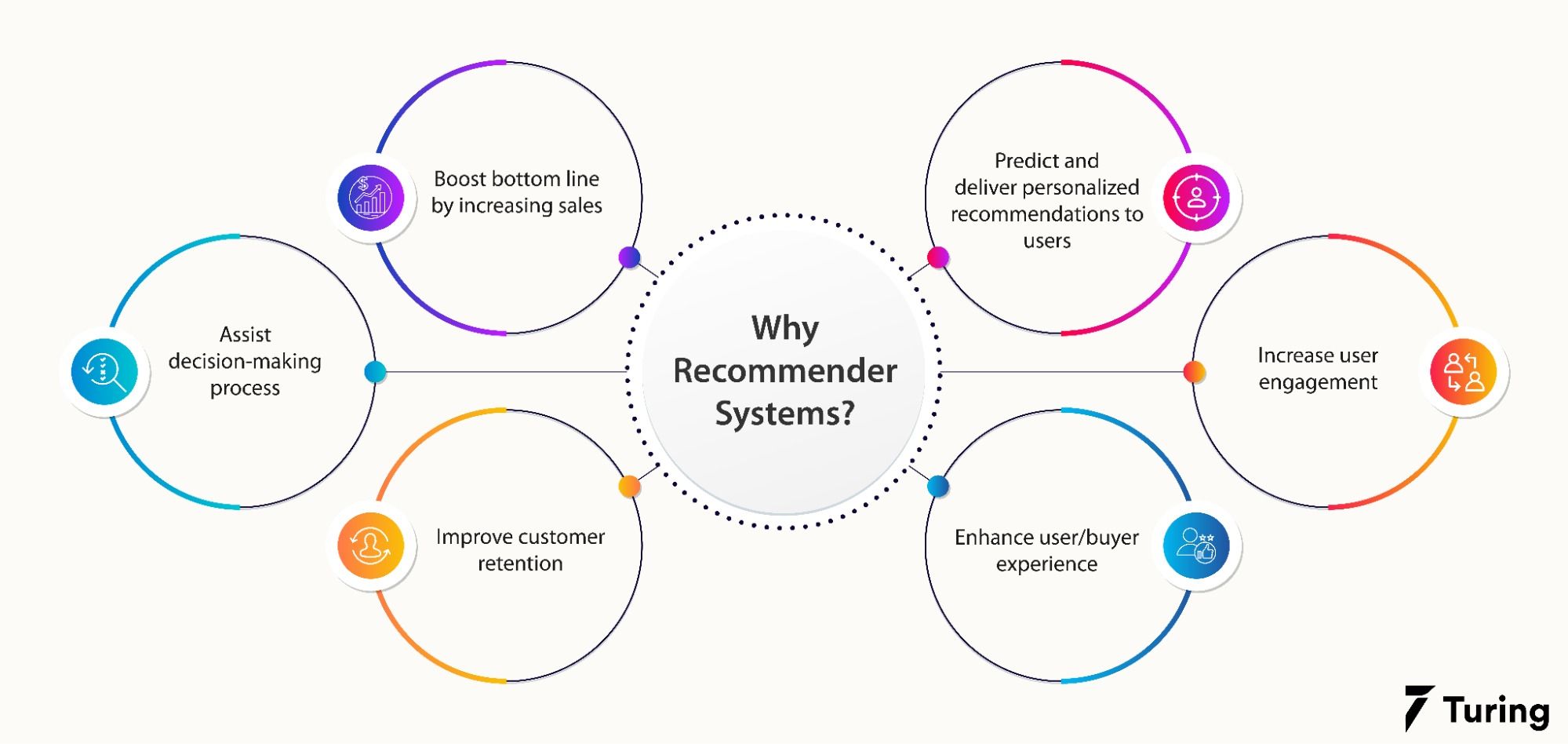
- Personalized learning experiences: Recommender systems track users’ interactions, preferences, and learning history, providing tailored recommendations that suit their individual needs.
- Improved learning efficiency: By recommending relevant and engaging content, recommender systems help learners focus on the most impactful materials, saving time and effort.
- Enhanced motivation and engagement: Relevant recommendations keep learners interested and motivated, promoting ongoing learning and knowledge acquisition.
- Discovery of new learning opportunities: Recommender systems expose learners to a broader range of resources, expanding their horizons and fostering continuous learning.
- Scalability and accessibility: AI-driven recommender systems can accommodate vast amounts of content, making lifelong learning accessible to all, regardless of location or background.
How AI-Driven Recommender Systems Work

- Data collection and analysis: Recommender systems collect data from user interactions, including clicks, searches, and course completion.
- Content profiling: AI algorithms analyze content to identify its attributes, topics, difficulty level, and other relevant characteristics.
- Recommendation generation: Based on the user data and content profiles, AI algorithms predict the items that users are most likely to engage with.
- Personalization: Recommendations are tailored to each user’s unique learning goals, interests, and progress.
Examples of AI-Driven Recommender Systems for Lifelong Learning
- Coursera’s Personalized Learning Platform: Provides tailored course and specialization recommendations based on learners’ skills, interests, and goals.
- Duolingo’s Language Learning App: Uses a recommender system to personalize language lessons according to learners’ progress and preferences.
- Khan Academy’s Learning Path: Offers personalized learning paths that adapt to learners’ mastery levels and learning styles.
Conclusion
AI-driven recommender systems are transformative tools for unlocking lifelong learning. By providing personalized recommendations that cater to learners’ individual needs, these systems enhance learning experiences, improve efficiency, and foster continuous knowledge acquisition. As AI technology continues to advance, we can expect even more innovative and effective ways to support lifelong learning through AI-driven recommendation engines.## Unlocking Lifelong Learning: AI-driven Recommender Systems
Executive Summary
Harnessing the power of artificial intelligence (AI), recommender systems are revolutionizing lifelong learning by delivering tailored educational experiences that adapt to individual needs and interests. These systems analyze user data, such as learning history, preferences, and goals, to provide personalized recommendations for courses, resources, and learning paths. By empowering learners with relevant and engaging content, AI-driven recommender systems have the potential to unlock lifelong learning opportunities for individuals of all ages and backgrounds.
Introduction
Lifelong learning has emerged as a crucial aspect of navigating the rapidly evolving modern world. With knowledge and skills becoming obsolete at an accelerated pace, individuals need to continuously acquire new information and refine their abilities. AI-driven recommender systems play a pivotal role in this by providing a dynamic and personalized learning ecosystem that supports lifelong learning.
FAQs
1. How do AI-driven recommender systems work?
AI-driven recommender systems utilize machine learning algorithms to analyze user data, extracting patterns and identifying preferences. They take into account various factors, such as learning history, course ratings, interactions with educational materials, and personal goals.
2. What benefits do AI-driven recommender systems offer?
These systems offer several benefits, including:
- Personalized learning: Tailored recommendations based on individual needs and preferences.
- Content discovery: Exposure to new and relevant educational resources that align with user interests.
- Time optimization: Streamlined learning process by providing efficient recommendations, reducing time spent searching for suitable content.
3. Can AI-driven recommender systems replace human educators?
No, AI-driven recommender systems are not intended to replace human educators. They serve as complementary tools that empower educators to provide more effective and individualized instruction. Educators can utilize these systems to create personalized learning environments and offer timely support to learners.
Top Subtopics
Data Collection and Analysis
AI-driven recommender systems rely heavily on data to generate personalized recommendations. Key considerations include:
- Data Sources: Identifying and collecting relevant data from various sources, such as learning history, course interactions, and user demographics.
- Data Preprocessing: Cleaning, organizing, and transforming raw data into a usable format for analysis.
- Feature Engineering: Extracting meaningful features from the collected data to represent user profiles and learning preferences.
Recommendation Algorithms
The core of AI-driven recommender systems lies in the recommendation algorithms. Popular techniques include:
- Collaborative Filtering: Identifying similarities between users based on their past behavior and recommending items liked by similar users.
- Content-Based Filtering: Recommending items similar to those a user has enjoyed in the past.
- Hybrid Recommendation: Combining collaborative filtering with content-based filtering to provide more robust recommendations.
Content Organization and Delivery
Effective recommender systems need to organize and present content in an engaging manner. Key aspects include:
- Content Curation: Selecting and organizing educational resources based on relevance, quality, and user preferences.
- Adaptive Learning Paths: Creating dynamic learning paths that adapt to user progress and goals.
- User Interface: Designing an intuitive and user-friendly interface that facilitates content discovery and consumption.
Evaluation and Optimization
Continuous evaluation is crucial for improving recommender system performance. Key metrics include:
- Recommendation Accuracy: Measuring the relevance and effectiveness of recommendations.
- User Engagement: Assessing the level of learner interaction with recommended content.
- System Optimization: Iterating on the recommendation algorithms, data sources, and content organization to enhance system performance.
Ethical Considerations
AI-driven recommender systems raise ethical considerations that need to be addressed:
- Bias Mitigation: Ensuring that recommendations are free from biases that could limit learning opportunities for certain groups.
- Privacy Protection: Safeguarding user data and ensuring transparency in data usage practices.
- Algorithmic Transparency: Providing explanations and insights into how recommendations are generated, empowering users to make informed choices.
Conclusion
AI-driven recommender systems have the potential to revolutionize lifelong learning by providing personalized and engaging educational experiences. By analyzing user data and leveraging advanced recommendation algorithms, these systems can unlock new horizons of knowledge for individuals of all ages and backgrounds. As technology continues to evolve, the integration of AI into lifelong learning will undoubtedly play a transformative role in shaping the future of education.
Keyword Tags
- AI-driven recommender systems
- Lifelong learning
- Personalized learning
- Content discovery
- Machine learning