The Ultimate Guide to Balancing Sleep and Time Management for Maximum Productivity
Introduction
In today’s demanding world, it can be challenging to balance sleep and time management effectively. However, achieving this equilibrium is crucial for optimal productivity, well-being, and overall success. This comprehensive guide will provide actionable strategies and best practices to help you optimize your sleep-time management balance for maximum productivity.
Chapter 1: Understanding Sleep Physiology

- Importance of sleep for physical, mental, and emotional health
- Sleep cycles and stages: NREM vs REM sleep
- Factors affecting sleep quality, such as light exposure, caffeine, and stress
Chapter 2: Establishing Healthy Sleep Habits

- Create a regular sleep schedule and stick to it, even on weekends
- Establish a relaxing bedtime routine to promote sleep onset
- Optimize your sleep environment for darkness, coolness, and quiet
- Limit screen time before bed as blue light can interfere with sleep
Chapter 3: Time Management Strategies
- Prioritize tasks based on importance and urgency
- Break down large projects into smaller, manageable chunks
- Use time-blocking to allocate specific time slots for different tasks
- Delegate or outsource tasks when possible to free up your time
Chapter 4: Integrating Sleep and Time Management
- Schedule time for sleep as a non-negotiable task
- Plan your day around your sleep schedule, not vice versa
- Take short naps during the day to boost productivity without compromising sleep quality
- Use technology to track your sleep patterns and identify areas for improvement
Chapter 5: Managing Sleep Deprivation
- Recognize the signs and symptoms of sleep deprivation
- Implement strategies to catch up on sleep, such as naps, early bedtimes, and restful weekends
- Avoid stimulants like caffeine and alcohol before bed
- Seek professional help if persistent sleep difficulties arise
Chapter 6: The Power of Routine
- Establish a consistent daily routine that includes scheduled sleep times
- Stick to your routine even on days when it’s difficult
- Create a sense of structure and predictability to promote regular sleep patterns
Chapter 7: Overcoming Sleep Challenges
- Common sleep challenges and their solutions, such as insomnia, sleep apnea, and parasomnias
- Techniques for managing stress and anxiety that can interfere with sleep
- Strategies for overcoming sleep disorders and improving sleep quality
Chapter 8: Benefits of Optimal Sleep-Time Management
- Increased productivity and focus
- Improved decision-making and problem-solving abilities
- Reduced stress, anxiety, and depression
- Enhanced mood and overall well-being
Chapter 9: Sustainability and Lifestyle Factors
- Importance of nutrition, exercise, and hydration for sleep regulation
- Role of healthy habits in maintaining long-term sleep-time management balance
- Strategies for managing social and environmental factors that can impact sleep
Chapter 10: Conclusion and Call to Action
- Recap of key strategies and best practices
- Emphasize the transformative power of sleep-time management optimization
- Encourage readers to implement the principles outlined in the guide for lasting benefits in productivity, health, and overall well-being## The Ultimate Guide To Balancing Sleep And Time Management For Maximum Productivity
Executive Summary
This guide provides a comprehensive understanding of the crucial relationship between sleep and time management, exploring how each aspect significantly impacts productivity. By implementing the strategies outlined in this guide, individuals can optimize their sleep patterns, enhance their time management skills, and maximize their overall productivity.
Introduction
In today’s fast-paced world, it is essential to find an equilibrium between sleep and time management to achieve optimal productivity. Sleep is vital for our cognitive functions, emotional well-being, and physical health. Conversely, time management is crucial for planning, organizing, and executing tasks effectively. Understanding the interplay between these two elements is paramount for maximizing productivity and overall success.
FAQs
Why is sleep essential for productivity?
- Enhances cognitive function
- Improves memory and focus
- Boosts creativity
- Enhances decision-making abilities
- Regulates emotions
How does time management impact sleep?
- Poor time management leads to stress and anxiety
- Nighttime work can disrupt sleep-wake cycles
- Inadequate time for relaxation before bed can interfere with sleep
Can I be productive without getting enough sleep?
- Short-term productivity may be possible but long-term productivity suffers
- Sleep deprivation results in diminished cognitive function
- Lack of sleep impacts creativity and innovation
Subtopics
Understanding Sleep’s Impact on Productivity
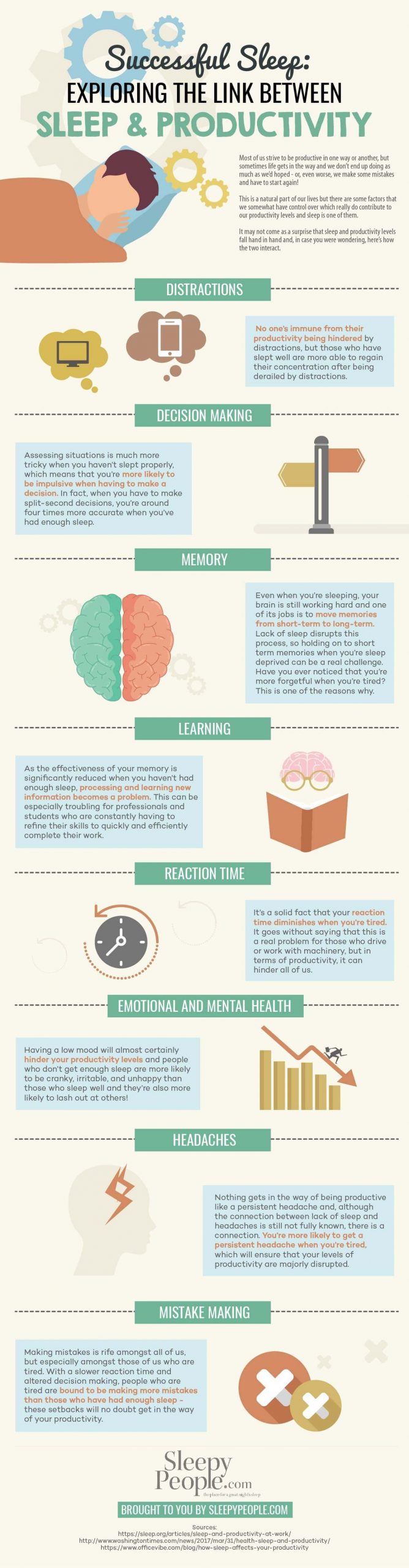
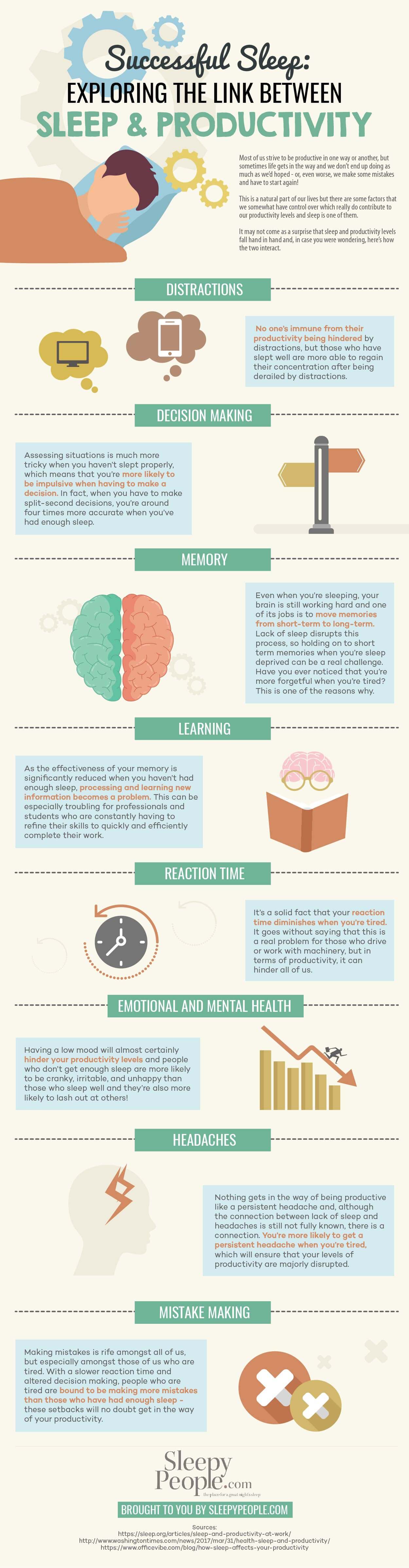
- Cognitive performance: Sleep deprivation impairs attention, memory, and decision-making.
- Emotional regulation: Sleep loss can result in irritability, mood swings, and anxiety.
- Physical well-being: Sleep deprivation can lead to fatigue, weakened immune system, and increased risk of accidents.
Effective Time Management for Better Sleep
- Prioritize tasks: Identify and focus on the most critical tasks that need to be completed.
- Delegate and automate: Delegate tasks to others or utilize automation tools to free up time.
- Create a schedule: Establish a structured daily routine that includes designated times for work, breaks, and sleep.
The Power of Technology for Sleep and Time Management
- Sleep tracking apps: Monitor sleep patterns, identify sleep disturbances, and provide personalized insights for improvement.
- Time management apps: Plan, organize, and track tasks, appointments, and deadlines, promoting efficiency and eliminating procrastination.
- Smart home devices: Automate lighting, temperature, and sound to create an optimal environment for sleep and productivity.
Creating a Conducive Sleep Environment
- Establish a relaxing bedtime routine: Engage in calming activities such as taking a warm bath, reading, or listening to soothing music.
- Optimize your bedroom: Ensure your bedroom is dark, quiet, and cool for optimal sleep conditions.
- Minimize screen time before bed: Blue light emitted from electronic devices can interfere with sleep hormones.
Lifestyle Habits for Sleep and Time Management
- Exercise regularly: Engage in physical activity to promote relaxation and improve sleep quality.
- Avoid caffeine and alcohol before bed: These substances can interfere with sleep patterns and delay the onset of sleep.
- Establish healthy sleep-wake cycles: Maintain consistent sleep and wake times, even on weekends, to regulate your body’s natural sleep-wake rhythm.
Conclusion
Balancing sleep and time management is a crucial aspect of maximizing productivity. By understanding the impact of sleep on our cognitive and physical well-being, we can prioritize sleep and create a conducive sleep environment. Additionally, effective time management techniques can prevent stress and anxiety while ensuring that we have sufficient time for relaxation and recovery. By embracing the strategies outlined in this guide, we can optimize our sleep patterns, enhance our time management skills, and ultimately reach our full potential in all aspects of life.
Relevant Keyword Tags
- Sleep and productivity
- Time management for better sleep
- Technology for sleep and time management
- Conducive sleep environment
- Lifestyle habits for sleep and time management