A Balanced Approach: Self-Care Strategies For Student Success
Introduction:
In the demanding academic environment, students often overlook the importance of self-care. By incorporating self-care strategies into their daily routine, students can enhance their well-being, improve academic performance, and prevent burnout.
Physical Well-being:

- Prioritize Sleep: Aim for 7-9 hours of restful sleep each night to improve cognitive function and reduce stress.
- Exercise Regularly: Engage in moderate-intensity exercise for at least 30 minutes most days of the week to boost mood, energy levels, and physical health.
- Maintain a Healthy Diet: Nourish your body with nutrient-rich foods to fuel your mind and maintain alertness.
Mental Well-being:
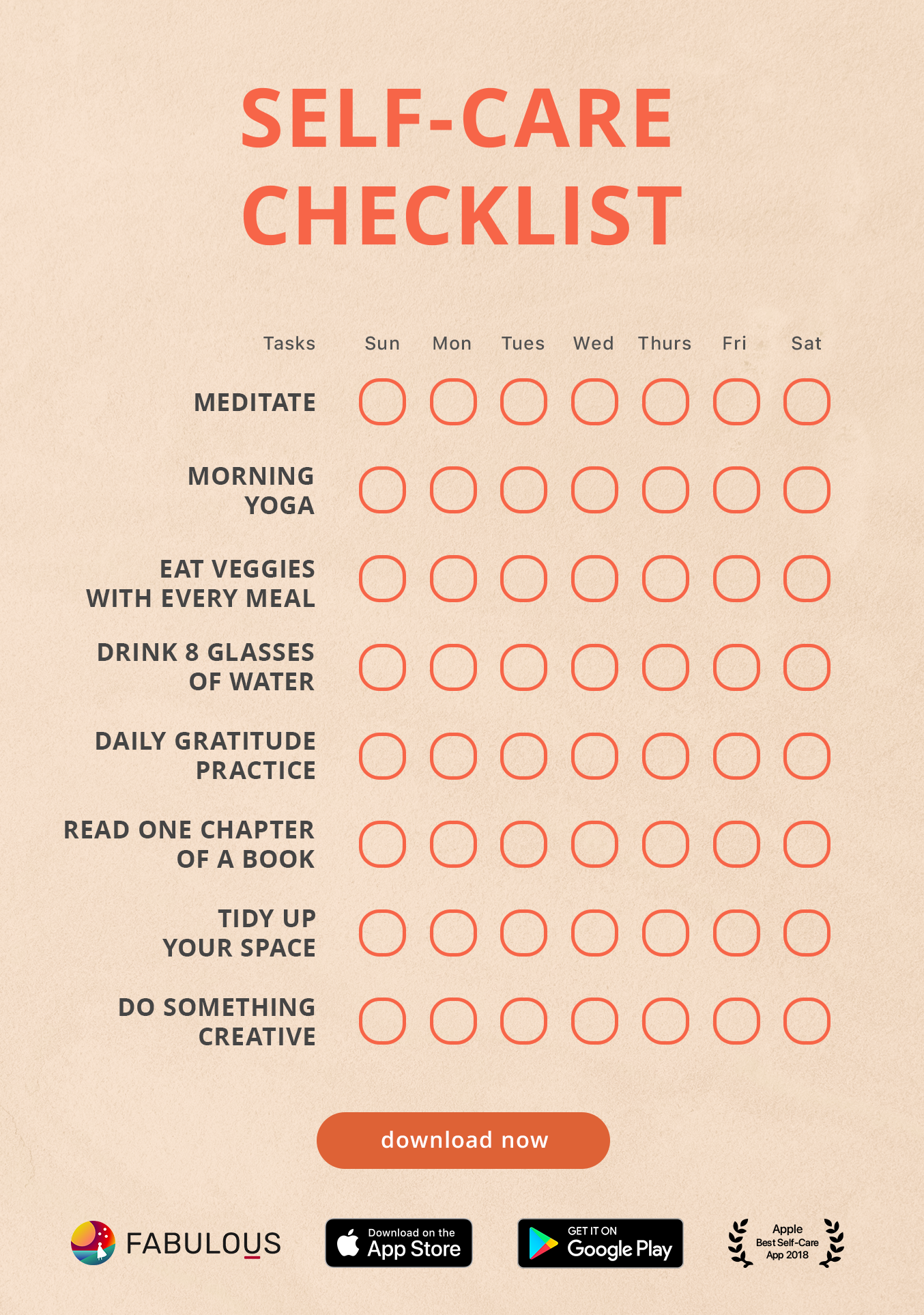
- Practice Mindfulness: Engage in activities like meditation or deep breathing exercises to reduce stress, improve focus, and promote emotional regulation.
- Set Boundaries: Learn to say no to excessive commitments and prioritize activities that contribute to your overall well-being.
- Connect with Others: Build a strong support system of friends, family, or peers to provide encouragement and a sense of belonging.
Emotional Well-being:
- Identify and Manage Stressors: Recognize the triggers that cause stress and develop healthy coping mechanisms, such as exercise, writing, or talking to a trusted person.
- Practice Gratitude: Focus on the positive aspects of your life and regularly express appreciation for others to boost happiness and reduce negativity.
- Seek Professional Help When Needed: Do not hesitate to reach out to a therapist or counselor if you experience persistent emotional distress or difficulty managing stress.
Time Management and Organization:
- Create a Schedule: Establish a structured routine that allocates time for studying, self-care, and social activities to minimize stress and maximize productivity.
- Prioritize Tasks: Use techniques like the Pomodoro Technique to break down tasks into manageable segments and focus on the most important ones.
- Delegate and Ask for Help: Recognize your limitations and do not hesitate to ask for assistance from peers, family members, or professors when needed.
Conclusion:
Incorporating self-care strategies into their academic journey is crucial for student success. By taking care of their physical, mental, and emotional well-being, students can maintain their energy levels, reduce stress, improve focus, and achieve their academic goals. By embracing a balanced approach that prioritizes both their studies and their well-being, students can thrive both inside and outside the classroom.## A Balanced Approach: Self-care Strategies For Student Success
Executive Summary
This article explores the importance of self-care for students and provides practical strategies to help students manage stress, maintain their well-being, and achieve academic success. Research shows that students who prioritize self-care are more likely to experience improved academic performance, reduced stress, and enhanced overall well-being.
Introduction
In the demanding academic environment, students often face a myriad of challenges that can impact their physical, mental, and emotional health. From the pressure to excel to the demands of extracurricular activities, students may neglect their own well-being. This article presents a balanced approach to self-care, recognizing that students need to care for themselves both inside and outside the classroom. By incorporating these strategies into their daily lives, students can thrive academically and personally.
FAQs
What is self-care for students?
Self-care for students encompasses practices that promote their physical, mental, and emotional health, enabling them to cope with academic stress, maintain their well-being, and achieve their academic goals.Why is self-care important for students?
Prioritizing self-care helps students manage stress, improve academic performance, boost concentration, enhance decision-making abilities, and cultivate resilience.How can students incorporate self-care into their busy schedules?
Self-care can be incorporated into a student’s schedule by setting aside dedicated time for activities that promote well-being, such as exercise, meditation, or spending time with loved ones. Additionally, students can integrate self-care practices into their daily routines, such as taking breaks throughout the day, eating healthy meals, and getting sufficient sleep.
Five Essential Self-care Subtopics
1. Physical Health
- Exercise: Engage in physical activity for at least 30 minutes most days of the week. Exercise releases endorphins, which have mood-boosting effects and reduce stress levels.
- Nutrition: Choose a balanced diet that nourishes the body and provides the energy needed for academic endeavors. Avoid processed foods and sugary drinks.
- Sleep: Aim for 7-9 hours of quality sleep each night. Sleep deprivation can impair cognitive function, decision-making abilities, and overall well-being.
- Time Management: Plan and prioritize assignments to avoid feeling overwhelmed. Take regular breaks to rest and recharge.
- Relaxation Techniques: Incorporate stress-reducing techniques such as deep breathing exercises, meditation, or yoga into your daily routine.
2. Mental Health
- Positive Self-Talk: Challenge negative thoughts and replace them with positive affirmations. Negative self-talk can undermine confidence and lead to stress.
- Stress Management: Identify stressors and develop coping mechanisms such as exercise, talking to a friend, or pursuing hobbies.
- Seeking Support: Don’t be afraid to reach out to friends, family, professors, or a counselor if needed. Seeking support can provide a valuable outlet for stress and emotional challenges.
- Mindfulness: Practice being present and aware of the present moment. Mindfulness helps reduce stress, improve focus, and enhance overall well-being.
3. Emotional Health
- Self-Awareness: Understand your emotions and how they impact your thoughts and behaviors.
- Emotional Regulation: Develop strategies for managing difficult emotions in a healthy and constructive way.
- Building Relationships: Nurture meaningful connections with family, friends, and classmates. Social support provides a sense of belonging and can buffer against stress.
- Gratitude Practice: Make an effort to focus on the positive aspects of your life and express gratitude for the people and things you have.
- Personal Growth: Embrace challenges as opportunities for growth and learning. Set personal goals and work towards them.
4. Social Health
- Connecting with Others: Participate in social activities and clubs to build a network of friends and acquaintances.
- Volunteering: Engage in community service to give back and connect with others who share your interests.
- Balancing Social Media: Use social media in moderation and avoid comparing yourself to others, as it can negatively impact self-esteem.
- Setting Boundaries: Learn to say no to commitments that overwhelm you or detract from your well-being.
- Spending Time in Nature: Spending time outdoors in nature has been shown to reduce stress and improve mood.
5. Spiritual Health
- Purpose and Meaning: Explore your values and beliefs to find meaning and purpose in your life.
- Meditation and Prayer: Engage in practices that connect you with a higher power or provide spiritual nourishment.
- Service to Others: Acts of kindness and compassion towards others can provide a sense of fulfillment and purpose.
- Mindful Reflection: Take time for introspection and reflection to gain a deeper understanding of your thoughts, emotions, and motivations.
- Gratitude for the Present Moment: Practice appreciating the present moment and cultivating a sense of gratitude.
Conclusion
Self-care is not a luxury for students; it is a necessity for academic and personal success. By adopting these self-care strategies, students can cultivate resilience, manage stress, improve their overall well-being, and achieve their academic goals. It is a continuous journey that requires dedication and effort, but the benefits are immeasurable. When students prioritize their well-being, they not only excel in their studies but also lead more fulfilling and balanced lives.
Keyword Tags
- Student Self-care
- Stress Management for Students
- Academic Well-being
- Physical and Mental Health for Students
- Self-care Strategies