
Prioritizing Your Studies: Tips for Creating an Efficient Study Schedule
1. Identify Your Goals:

- Determine what outcomes you want to achieve during your study sessions.
- Break down large tasks into smaller, manageable chunks.
- Set realistic goals for each study session.
2. Assess Your Time:
- Track how you spend your time to identify areas for improvement.
- Allocate specific time slots for studying based on your availability and commitments.
- Be flexible and adjust your schedule as needed.
3. Pomodoro Technique:
- Dive into focused study sessions of 25 minutes, followed by short breaks of 5 minutes.
- Repeat this cycle for longer study periods, with a longer break after every four sessions.
4. Active Recall:
- Regularly test yourself on the material you’ve studied to improve retention.
- Use flashcards, practice questions, or write down summaries to reinforce your understanding.
5. Spaced Repetition:
- Review material at increasing intervals (e.g., 10 minutes, 30 minutes, 1 hour, 1 day).
- This helps move information from short-term to long-term memory.
6. Prioritize Difficult Material:
- Schedule study sessions for the most challenging subjects during your peak focus times.
- Break down complex concepts into smaller, manageable chunks.
- Seek help from a tutor or instructor if needed.
7. Maximize Breaks:
- Use breaks to rest and recharge, rather than engage in distractions.
- Take a walk, listen to music, or socialize briefly.
- Avoid checking social media or email during breaks.
8. Reward Yourself:
- Set aside small rewards for completing study sessions or achieving milestones.
- This helps maintain motivation and provides a sense of accomplishment.
9. Monitor Your Progress:
- Regularly review your study schedule and make adjustments as necessary.
- Track your progress and identify areas for improvement.
- Be open to feedback and make changes based on your experiences.
10. Focus on Quality, Not Quantity:
- Avoid cramming and focus on deep understanding.
- Spend time actively engaging with the material rather than passively consuming it.
- Make sure you comprehend the concepts before moving on.## Prioritizing Your Studies: Tips For Creating An Efficient Study Schedule
Executive Summary
In today’s competitive academic landscape, effective time management is essential for academic success. This article provides a comprehensive guide to creating an efficient study schedule that maximizes productivity and minimizes stress. By following the tips and strategies outlined below, students can prioritize their studies, allocate their time wisely, and achieve their academic goals.
Introduction
The secret to academic success lies not only in hard work but also in smart work. An efficient study schedule is a powerful tool that enables students to optimize their study time, stay organized, and achieve their academic potential. By implementing the strategies discussed in this article, students can transform their study habits, improve their grades, and reduce the stress associated with academic pursuits.
FAQ
1. How can I find time to study effectively amidst other commitments?
2. What techniques can I employ to stay motivated and focused during study sessions?
3. How do I create a study schedule that aligns with my learning style and academic goals?
Subtopics
1. Setting Realistic Goals
- Identify your priorities: Determine the most important tasks and subjects that require immediate attention.
- Break down large tasks: Divide extensive assignments or projects into smaller, manageable chunks to avoid feeling overwhelmed.
- Set deadlines: Establish realistic deadlines for each task to maintain accountability and prevent procrastination.
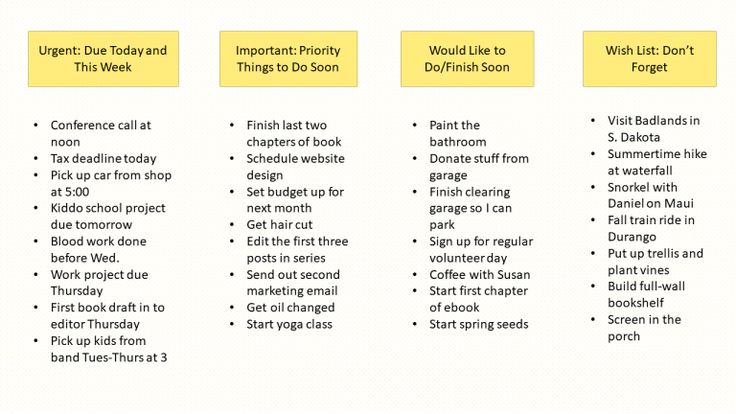
- Prioritize using the Eisenhower Matrix: Categorize tasks based on urgency and importance to focus on the most critical ones first.
- Reward yourself: Acknowledge and celebrate your accomplishments to stay motivated and engaged.
2. Time Management
- Plan your study sessions: Schedule specific time slots for studying and stick to them as much as possible.
- Use a planner or calendar: Keep track of assignments, deadlines, and appointments to avoid conflicts and stay organized.
- Minimize distractions: Create a study environment free from interruptions, such as social media, television, or excessive noise.
- Take breaks: Regular breaks enhance focus and prevent burnout. Schedule short breaks every 45-60 minutes to refresh your mind.
- Utilize technology: Employ productivity apps, such as timers, to-do lists, and note-taking tools, to streamline your study process.
3. Active Learning
- Engage with the material: Actively participate in lectures, ask questions, and take notes to enhance comprehension.
- Review regularly: Regular review of study materials reinforces learning and improves retention.
- Use flashcards or spaced repetition software: Leverage memorization techniques like flashcards and spaced repetition software to effectively retain information.
- Teach the material to others: Explaining concepts to others solidifies your understanding and identifies areas for improvement.
- Seek feedback: Actively request feedback from instructors or peers to identify areas for improvement and enhance your learning.
4. Staying Motivated and Focused
- Set clear goals: Define specific, achievable study goals to maintain motivation.
- Identify your purpose: Connect your studies to your future aspirations or interests to make them more meaningful.
- Eliminate distractions: Create a conducive study environment free from distractions like social media or noise.
- Use positive self-talk: Encourage yourself with positive affirmations to boost your confidence and motivation.
- Reward yourself: Acknowledge and celebrate your successes to stay motivated and engaged.
5. Taking Care of Yourself
- Prioritize sleep: Sleep deprivation impairs focus and concentration. Aim for 7-9 hours of quality sleep each night.
- Exercise regularly: Physical activity improves blood flow to the brain, enhancing cognitive function and reducing stress.
- Maintain a healthy diet: Nourish your body with healthy foods to sustain energy levels and improve mental clarity.
- Manage stress: Engage in stress-reducing activities such as exercise, meditation, or yoga to minimize its negative impact on studying.
- Seek support when needed: Don’t hesitate to seek assistance from teachers, counselors, or peers if you encounter challenges or need support.
Conclusion
Creating an efficient study schedule is a key ingredient for academic success. By setting realistic goals, managing time effectively, engaging in active learning, staying motivated, and taking care of yourself, students can optimize their study habits, maximize their productivity, and minimize stress. Remember, the journey to academic excellence requires consistent effort, smart strategies, and a positive mindset. Embrace the tips outlined in this article and unlock your full academic potential.
Keyword Tags
- Effective Study Schedule
- Time Management
- Active Learning
- Motivation
- Self-Care