Augmented Reality (AR): Revolutionizing Education
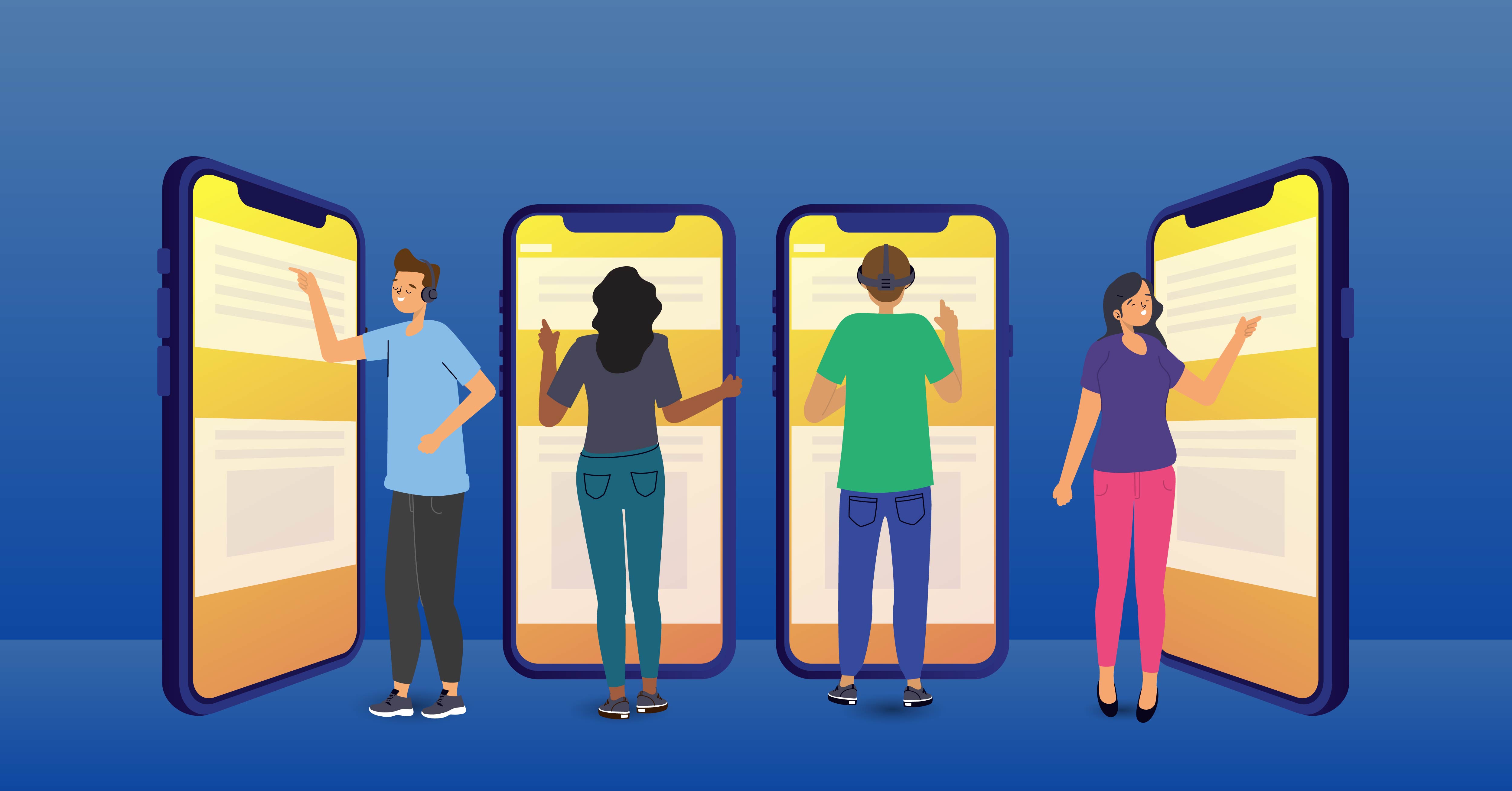
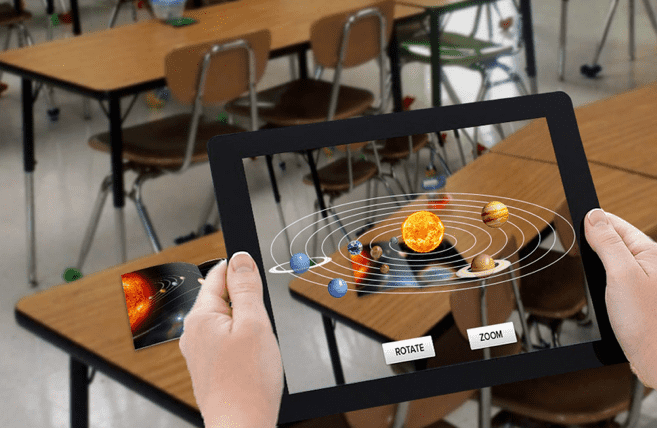
Augmented Reality, a technology that overlays digital information onto the real world, is transforming the educational landscape. By seamlessly integrating virtual objects and experiences with physical environments, AR offers an immersive and engaging learning experience that captures learners’ attention and promotes deeper understanding.
Enhancing Learning Experiences
1. Interactive Simulations and Experiments:
AR allows students to interact with virtual objects and simulations, providing hands-on experiences that would otherwise be impossible or dangerous in real life. Students can conduct virtual experiments, dissect virtual specimens, or assemble complex models without the need for expensive equipment.
2. Gamification and Motivation:
By incorporating gamification elements into AR applications, educators can make learning fun and engaging. Students can earn rewards, complete challenges, and socialize with peers while absorbing knowledge in a more enjoyable and memorable way.
3. Personalized Learning:
AR can cater to individual learning styles by providing customized content and experiences. Students can access additional information, animations, or interactive quizzes based on their pace and comprehension abilities.
Fostering Deeper Understanding
1. Visualizing Complex Concepts:
AR brings abstract and complex concepts to life. By overlaying virtual models or animations onto physical objects, students can visualize and understand complex processes, scientific phenomena, or historical events in a more tangible way.
2. Contextualizing Learning:
AR can connect students to the real world by superimposing virtual information onto their surroundings. They can explore historical landmarks, study local ecosystems, or learn about natural disasters in the context of their actual environment.
3. Collaborating and Sharing Knowledge:
AR fosters collaboration by allowing students to interact with shared virtual environments. They can work together on projects, annotate digital models, and share their findings with others.
Empowering Students
1. Self-Directed Learning:
With AR, students can take control of their learning journey. They can access information and resources independently, explore their interests, and pursue personalized learning paths.
2. Enhancing Accessibility:
AR can make learning more accessible for students with disabilities or learning difficulties. They can benefit from interactive simulations, visual aids, and audio support that enhance their understanding and participation.
3. Inspiring Innovation:
AR empowers students to express their creativity and innovation. They can create their own AR experiences, design interactive models, or develop games that foster learning.
Conclusion
Augmented Reality is not merely a futuristic technology in education; it is a transformative force that is already revolutionizing the way we learn. By bridging the gap between the virtual and physical worlds, AR creates immersive, engaging, and empowering learning experiences that foster deeper understanding, foster collaboration, and empower students. As AR technology continues to evolve, its impact on education will only grow, shaping the future of learning in exciting and unprecedented ways.## Engaging Learners: Augmented Reality’s Role in Education
Executive Summary
Incorporating Augmented Reality (AR) into education enhances engagement, improves comprehension, and revolutionizes the learning experience. AR overlays digital information onto the real world, creating interactive and immersive environments that cater to diverse learning styles and make abstract concepts tangible. This innovative technology empowers educators to develop captivating lesson plans, foster collaboration, and personalize instruction for each student’s unique needs.
Introduction
The traditional methods of teaching and learning are evolving drastically with the integration of technology. Augmented Reality (AR) is emerging as a game-changer in education, offering educators and students alike an array of captivating and highly effective learning opportunities. AR augments the real world with digital information, allowing users to interact with virtual objects and experiences seamlessly.
FAQs
1. What is AR, and how does it differ from Virtual Reality (VR)?
- AR superimposes digital information onto the real world, while VR creates a completely immersive virtual environment.
- In AR, users can still see and interact with their surroundings, while in VR, they are enveloped in a digital world.
2. What are the benefits of using AR in education?
- Enhances engagement and motivation, fosters collaboration, improves comprehension, and personalizes learning.
- AR creates interactive and immersive experiences that make abstract concepts tangible and cater to diverse learning styles.
3. How can educators incorporate AR into their lesson plans?
- Utilize AR apps and software, create interactive worksheets and activities, develop AR-based games, and leverage AR-enabled textbooks.
- Educators can also collaborate with technology specialists to develop customized AR experiences tailored to specific learning objectives.
Top 5 Subtopics of AR in Education
1. Interactive Learning Experiences
- Engaging Simulations: Students can participate in virtual simulations of historical events, scientific experiments, or technical processes, making learning interactive and experiential.
- Virtual Field Trips: AR enables students to explore distant locations, museums, or cultural landmarks without leaving the classroom, broadening their horizons and fostering cultural awareness.
- Interactive Workbooks: AR-enhanced workbooks overlay digital content onto pages, providing students with interactive quizzes, videos, and simulations that reinforce concepts.
2. Personalized Learning
- Adaptive Content: AR platforms can track student progress and adapt the difficulty of lessons to meet individual needs, ensuring each student receives an appropriately challenging and engaging learning experience.
- Personalized Assessments: AR-based assessments can provide real-time feedback and track student progress, helping educators identify areas where students need additional support.
- Gamified Learning: AR-based educational games make learning fun and engaging, rewarding students for their achievements and motivating them to progress.
3. Collaboration and Communication
- Remote Collaboration: AR facilitates remote collaboration between students and teachers, enabling them to share virtual experiences and work on projects together from different locations.
- Enhanced Discussions: AR can be used to create virtual discussion spaces where students can engage in collaborative discussions and share their perspectives.
- Global Exchange: AR connects students with peers and experts from around the world, fostering cultural exchange and broadening their understanding of diverse perspectives.
4. Accessibility and Inclusivity
- Universal Access: AR makes learning accessible to students with disabilities by providing alternative representations of information, such as visual aids for auditory learners or auditory aids for visual learners.
- Immersive Experiences: AR creates immersive and engaging experiences that cater to diverse learning styles, making complex concepts accessible to all students.
- Representation and Diversity: AR can be used to represent diverse cultures and perspectives, promoting inclusivity and fostering a sense of belonging in all learners.
5. Professional Development and Training
- Immersive Training: AR provides immersive training simulations for students in vocational programs or professional settings, allowing them to practice skills in a safe and realistic environment.
- On-the-Job Training: AR can be used to provide on-the-job training to employees, reducing the need for costly and time-consuming off-site training programs.
- Refresher Courses: AR enables the creation of interactive refresher courses that professionals can access on demand to enhance their knowledge and skills.
Conclusion
AR is revolutionizing education by creating engaging, personalized, and accessible learning experiences. It empowers educators to develop captivating lesson plans, foster collaboration, and cater to diverse learning styles. AR’s ability to make abstract concepts tangible and provide immersive simulations enhances comprehension and makes learning more enjoyable and effective. As technology continues to advance, AR’s potential in education is limitless, with the promise of transforming teaching and learning for generations to come.
Relevant Keyword Tags
- Augmented Reality in Education
- AR-Enhanced Learning
- Interactive Learning Experiences
- Personalized Learning with AR
- Immersive Training Simulations