Mastering the Art of Efficient Study: Active Recall Techniques Unveiled
In the realm of academic pursuit, students often seek ways to enhance their learning process and optimize their study habits. Among the most effective techniques that have gained prominence is active recall, a powerful method that revolutionizes the way we engage with information and strengthen our memory.

What is Active Recall?
Active recall involves actively retrieving information from memory without relying on external cues. Instead of passively reading or re-reading notes, it challenges the brain to recall facts, concepts, and ideas from its own cognitive store.
Benefits of Active Recall
Incorporating active recall into your study routine offers numerous benefits:
- Improved Memory Retention: By actively retrieving information, the brain forms stronger neural connections, leading to enhanced long-term memory.
- Increased Understanding: Active recall forces you to think critically and recall information from various perspectives, promoting a deeper understanding of the material.
- Identification of Knowledge Gaps: Actively trying to recall information reveals areas where your understanding is weak, allowing you to focus your further study efforts.
- Reduced Procrastination: Active recall is an engaging and challenging process that can help break the cycle of procrastination.
Techniques for Active Recall
There are various techniques you can employ to practice active recall:
- Spaced Retrieval: Review the material at increasing intervals (e.g., 10 minutes later, 1 hour later, 1 day later) to reinforce memory formation.
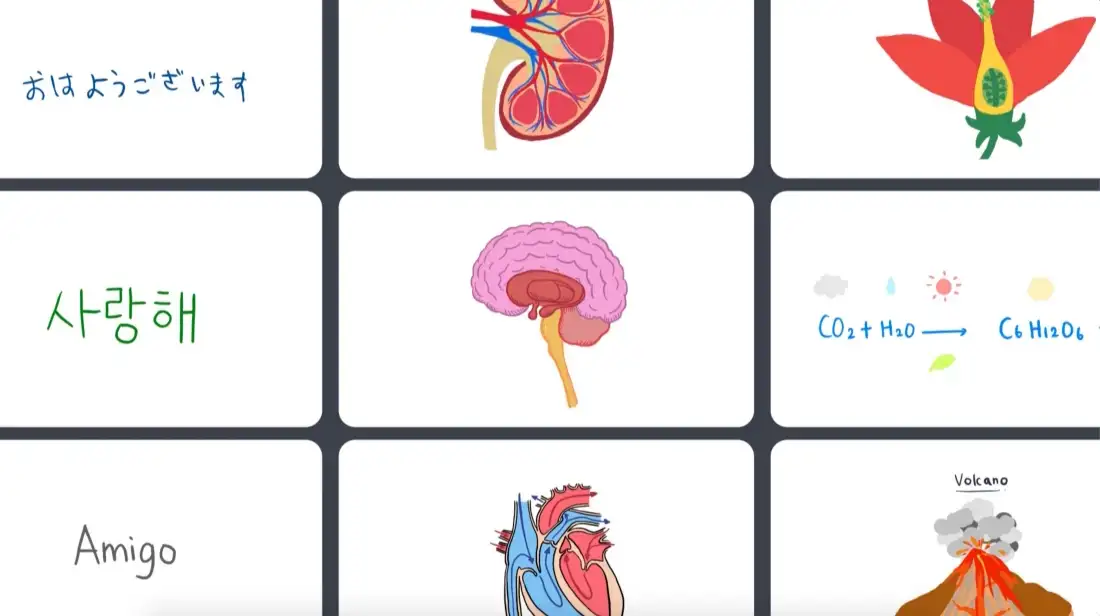
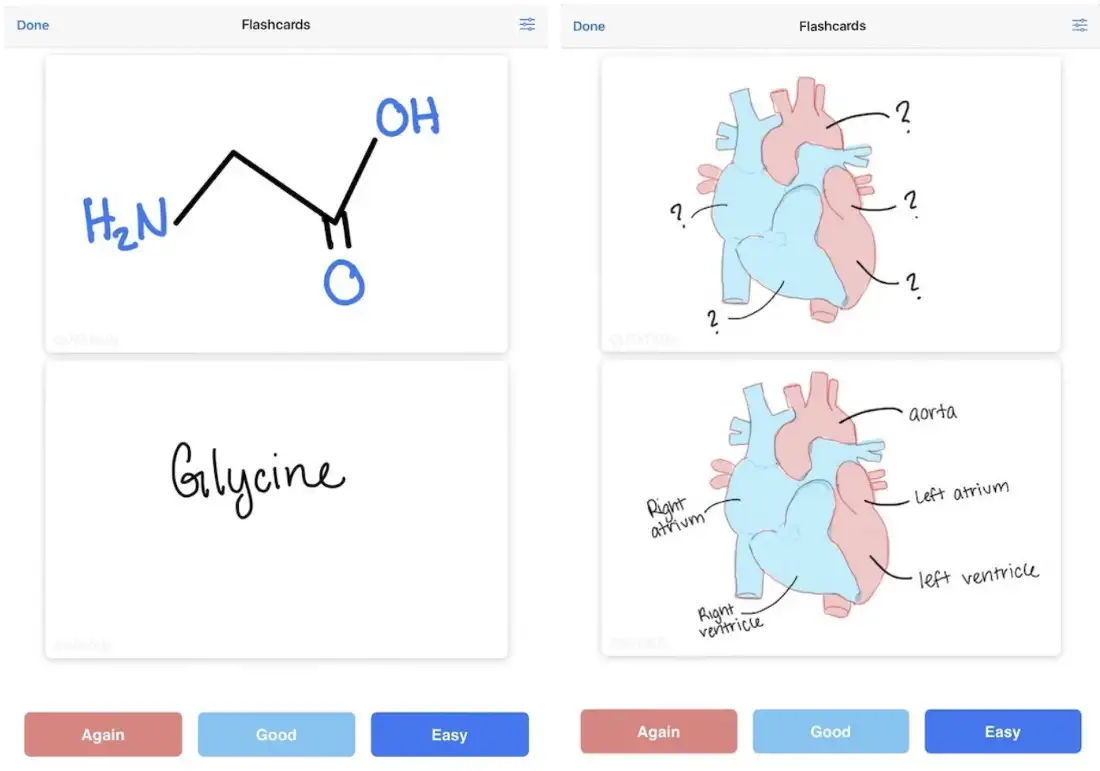
- Flashcards: Create flashcards with questions on one side and answers on the other. Regularly test yourself by trying to recall the answers without looking at the cards.
- Self-Explanation: After studying a section, explain the concepts to yourself or a study partner without referring to your notes.
- Retrieval Practice: Take practice quizzes or tests that require you to recall information from memory, rather than simply recognizing it from options.
Incorporating Active Recall into Your Study Routine
To effectively incorporate active recall into your study routine, try the following:
- Start with Short Intervals: Begin practicing active recall with short intervals (e.g., 5-10 minutes) to build momentum.
- Break Down Complex Material: Divide large sections of information into smaller chunks for more effective retrieval.
- Use Variety: Implement different active recall techniques to maintain engagement and prevent monotony.
- Consistency is Key: Regularly practice active recall to maximize its benefits.
Conclusion
Mastering the art of efficient study requires strategic approaches that enhance our ability to effectively retain and understand information. Active recall techniques offer a powerful solution by actively engaging the brain and promoting long-term memory. By incorporating these techniques into your study routine, you can unlock your full learning potential and achieve academic success. Remember, knowledge is not what you remember, but what you can actively recall.## Mastering The Art Of Efficient Study: Active Recall Techniques Unveiled
Executive Summary
In today’s information-saturated world, the ability to learn and retain knowledge efficiently is more crucial than ever. Active recall, a powerful study technique, empowers students to actively retrieve information from memory, strengthening their understanding and reducing forgetting. This comprehensive guide delves into the world of active recall, providing practical techniques and strategies to optimize your study sessions and unlock your full learning potential.
Introduction
Traditional study methods often involve passive activities like reading, highlighting, and note-taking. While these approaches can provide temporary familiarity with the material, they fail to promote deep understanding and long-term retention. Active recall, on the other hand, forces your brain to actively recall information, creating stronger neural connections and improving your ability to retrieve knowledge when needed.
FAQ
What is active recall?
- Active recall is the process of actively trying to retrieve information from memory without referring to any notes or materials. This can be done through various methods such as testing yourself, using flashcards, or explaining the concept to someone else.
Why is active recall effective?
- By actively recalling information, you force your brain to work harder and create stronger neural connections. This makes it easier to retrieve the information later and improves your overall understanding of the material.
How can I incorporate active recall into my study routine?
- There are many ways to incorporate active recall into your study routine. Some popular methods include testing yourself regularly, using flashcards, teaching the material to someone else, or summarizing key concepts in your own words.
Spaced Repetition
Description: Spaced repetition is a technique that involves reviewing material at increasing intervals. This helps to prevent forgetting and strengthens your memory over time.
Key points:
- Review material shortly after learning it
- Increase the intervals between reviews gradually
- Use flashcards or other spaced repetition tools
Interleaving
Description: Interleaving involves mixing up different subjects or concepts while studying. This helps to improve your understanding of each individual concept and reduces the risk of forgetting.
Key points:
- Study different subjects or concepts in short bursts
- Alternate between different topics throughout your study session
- Avoid studying the same topic for extended periods
Elaboration
Description: Elaboration involves connecting new information to existing knowledge and experiences. This helps to improve your understanding and make the information more meaningful.
Key points:
- Explain the material to yourself or someone else
- Make connections between new information and what you already know
- Create analogies or examples to illustrate the concepts
Retrieval Practice
Description: Retrieval practice involves actively trying to recall information without referring to notes or materials. This helps to strengthen your memory and improve your ability to retrieve information when needed.
Key points:
- Test yourself regularly
- Use flashcards or other retrieval practice tools
- Explain the material to someone else
Active Learning
Description: Active learning involves engaging with the material in a more dynamic way, such as through discussions, group projects, or role-playing. This helps to improve your understanding and makes the learning process more enjoyable.
Key points:
- Participate in class discussions
- Work on group projects
- Role-play or simulate real-world scenarios
Conclusion
Incorporating active recall into your study routine can profoundly impact your learning efficiency. By actively retrieving information from memory, you create stronger neural connections, reduce forgetting, and enhance your overall understanding. The techniques outlined in this guide provide practical ways to implement active recall into your study sessions, empowering you to unlock your full learning potential. Embrace active recall, and become a master of efficient study.
Keyword Tags
- Active recall
- Spaced repetition
- Interleaving
- Elaboration
- Retrieval practice