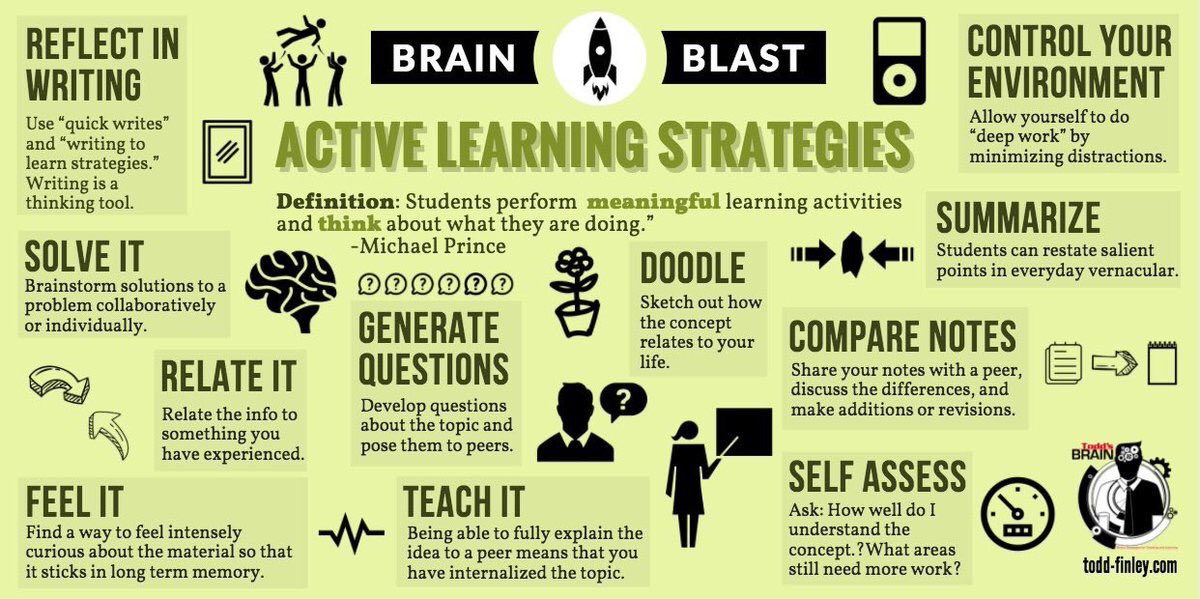
Active Learning Strategies
Active learning involves actively engaging students in the learning process, encouraging them to think critically, analyze, and apply information. It contrasts with passive learning, where students are primarily recipients of information.
Benefits of Active Learning for Retention
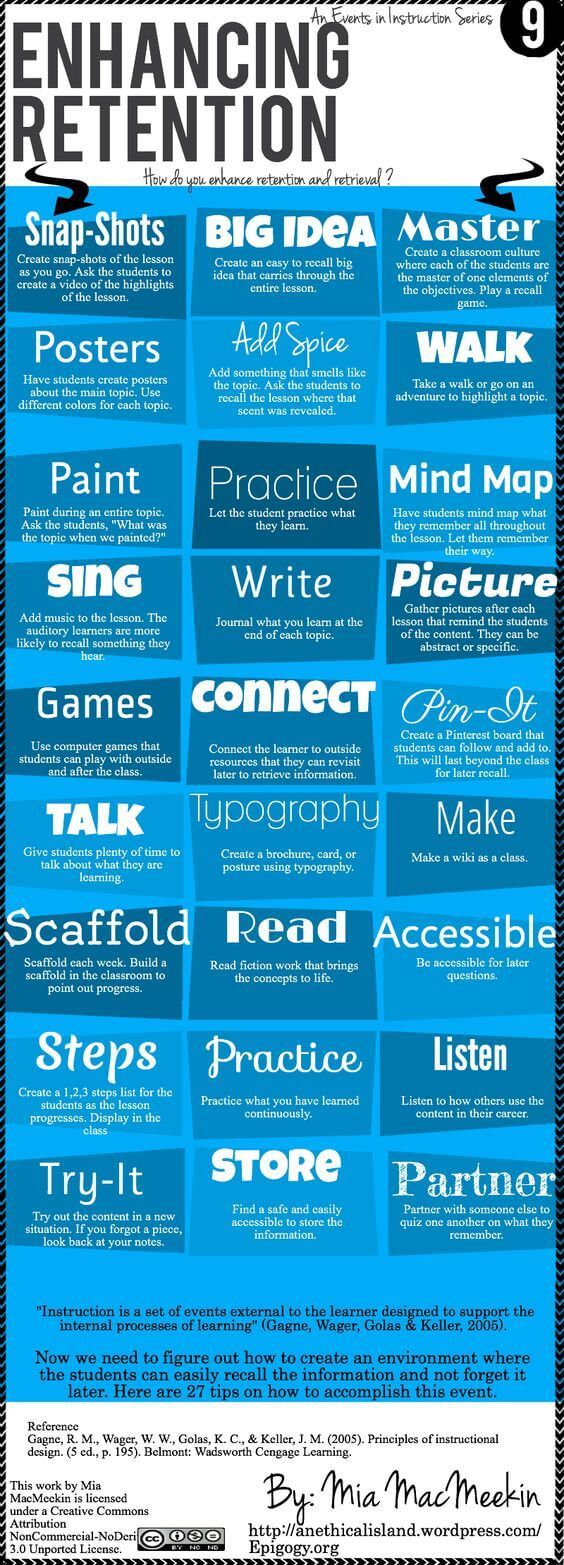
- Enhanced Retrieval: Active learning requires students to actively retrieve information from memory to solve problems or answer questions. This strengthens recall and retention.
- Improved Deep Processing: Active strategies force students to engage with the material at a deeper level, making connections and understanding concepts more thoroughly.
- Higher Engagement: Active learning keeps students engaged and motivated, which enhances attention and focus.
- Reduced Cognitive Load: By breaking down complex information into smaller, manageable chunks, active learning reduces cognitive load and improves understanding.
- Increased Self-Monitoring: Active learning provides opportunities for students to self-assess their understanding and identify areas for improvement.
Effective Active Learning Strategies
- Problem-Based Learning: Presents students with problems to solve, encouraging them to apply knowledge and develop critical thinking skills.
- Collaborative Learning: Has students work together to complete tasks or solve problems, fostering cooperation and knowledge sharing.
- Concept Mapping: Involves creating visual representations of concepts and their relationships, enhancing understanding and recall.
- Interactive Whiteboards: Allows students to participate in interactive activities, such as brainstorming, writing, and drawing, promoting active involvement.
- Simulations and Role-Playing: Engage students in realistic scenarios, providing them with hands-on experiences and reinforcing concepts.
- Case Studies: Present students with real-world examples to analyze and develop solutions, promoting practical understanding.
- Discussion and Debate: Allows students to share their perspectives, engage in critical thinking, and deepen their understanding.
Implementation Tips
- Incorporate into Existing Lessons: Integrate active learning strategies into existing lesson plans to enhance engagement and retention.
- Provide Clear Instructions: Outline expectations and provide guidance to ensure students understand the active learning activity.
- Allow for Reflection: Encourage students to reflect on their active learning experiences and identify areas for improvement.
- Assess Learning Outcomes: Use assessments that reflect the active learning approach and measure student understanding.
Conclusion
By incorporating active learning strategies into the learning process, educators can significantly enhance student retention of information. These strategies engage students, promote deep processing, reduce cognitive load, and encourage self-assessment, ultimately resulting in a more effective and memorable learning experience.## How Active Learning Strategies Can Improve Your Retention Of Information
Executive Summary
Active learning strategies are a powerful way to improve your retention of information. By engaging with the material in a more active way, you can create stronger memories and make the learning process more enjoyable. This article explores five key active learning strategies and provides practical tips for implementing them in your own learning.
Introduction
In today’s fast-paced world, it’s more important than ever to be able to learn new information quickly and effectively. Active learning strategies can help you do just that. By actively engaging with the material, you can improve your understanding, retention, and recall.
FAQs
What are active learning strategies?
Active learning strategies are any methods that require you to actively engage with the material. This can include things like reading, writing, discussing, teaching, and solving problems.
Why are active learning strategies important?
Active learning strategies are important because they help you to:
- Improve your understanding: By actively engaging with the material, you can develop a deeper understanding of the concepts.
- Increase your retention: Active learning strategies help you to create stronger memories, which makes it easier to remember what you’ve learned.
- Make learning more enjoyable: Active learning can be more engaging and enjoyable than passive learning, which can make the learning process more enjoyable.
What are some examples of active learning strategies?
Some examples of active learning strategies include:
- Reading and highlighting: When you read a text, highlight the key points and make notes in the margins. This helps you to focus on the important information and to recall it later.
- Writing summaries: After you read a text, write a summary of the main points. This helps you to organize your thoughts and to understand the material better.
- Discussing the material: Discussing the material with others can help you to clarify your understanding and to learn from others’ perspectives.
- Teaching the material: Teaching the material to someone else is one of the best ways to learn it yourself. It forces you to organize your thoughts and to explain the concepts clearly.
- Solving problems: Solving problems can help you to apply your knowledge and to develop your critical thinking skills.
Top 5 Subtopics
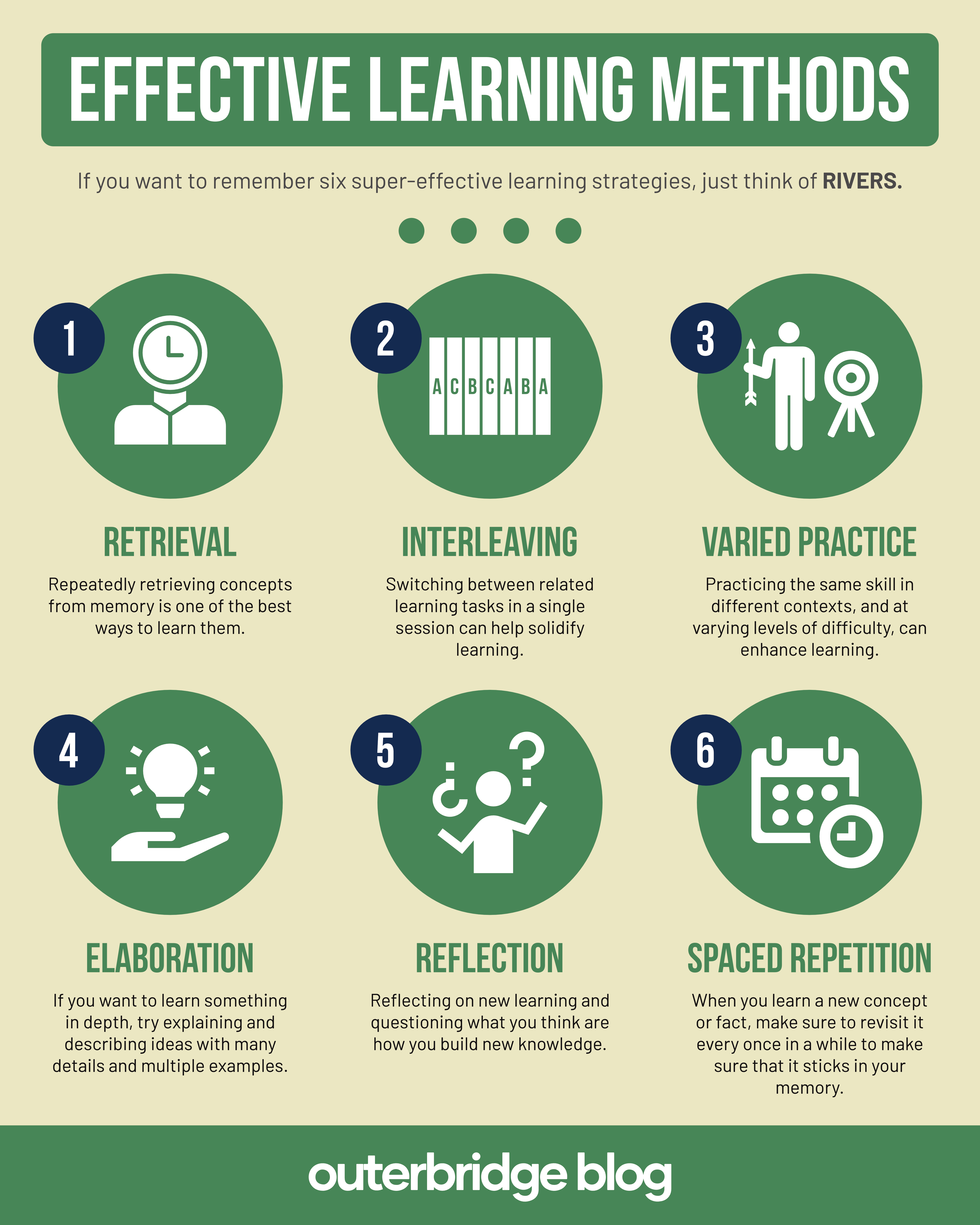
1. Spaced Repetition
Spaced repetition is a technique for reviewing material at gradually increasing intervals. This helps to strengthen the memories you create and makes it easier to recall the information later.
- Use flashcards: Flashcards are a great way to implement spaced repetition. Create a flashcard for each piece of information you want to learn and review the flashcards at regular intervals.
- Use a spaced repetition app: There are a number of spaced repetition apps available that can help you to track your progress and remind you when to review the material.
- Review the material regularly: The key to spaced repetition is to review the material regularly. Aim to review the material at least once a day, but you can adjust the frequency as needed.
2. Retrieval Practice
Retrieval practice is the act of actively recalling information from memory. This helps to strengthen the memories you create and makes it easier to recall the information later.
- Test yourself regularly: Quiz yourself on the material you’re learning. You can do this by writing out questions and answers, or by using a practice test website.
- Use spaced retrieval practice: Combine spaced repetition with retrieval practice by testing yourself on the material at gradually increasing intervals.
- Make retrieval practice challenging: Make sure your retrieval practice is challenging enough to force you to think deeply about the material.
3. Elaboration
Elaboration is the process of connecting new information to your existing knowledge. This helps to make the new information more meaningful and easier to remember.
- Explain the material to yourself: Try to explain the material to yourself in your own words. This will help you to understand the concepts better and to connect them to your existing knowledge.
- Make analogies and metaphors: Create analogies and metaphors to help you understand the new information. This can make the material more memorable and easier to recall.
- Relate the new information to your own experiences: Try to relate the new information to your own experiences. This will help you to make the material more meaningful and easier to apply.
4. Interleaving
Interleaving is the act of mixing up different types of problems or topics. This helps to improve your understanding and retention of the material.
- Mix up different types of problems: When you’re studying, don’t focus on one type of problem for too long. Mix up different types of problems to keep your brain engaged.
- Interleave different topics: If you’re studying multiple subjects, don’t study one subject for too long. Interleave different subjects to keep your brain active and to improve your understanding of each subject.
- Take breaks: Taking breaks can help you to consolidate the information you’ve learned and to improve your retention.
5. Metacognition
Metacognition is the process of thinking about your own thinking. This can help you to improve your learning strategies and to become a more effective learner.
- Reflect on your learning: Take time to reflect on your learning process. What are your strengths and weaknesses? What strategies work best for you?
- Set learning goals: Set specific learning goals for yourself. This will help you to focus your efforts and to track your progress.
- Monitor your progress: Monitor your progress regularly. Are you meeting your goals? Are you making progress in your learning?
Conclusion
Active learning strategies are a powerful way to improve your retention of information. By actively engaging with the material, you can create stronger memories, make the learning process more enjoyable, and become a more effective learner. Try incorporating these strategies into your own learning process and see the difference they can make.
Keyword Tags
- active learning
- spaced repetition
- retrieval practice
- elaboration
- interleaving
- metacognition