Importance of Breaks for Students
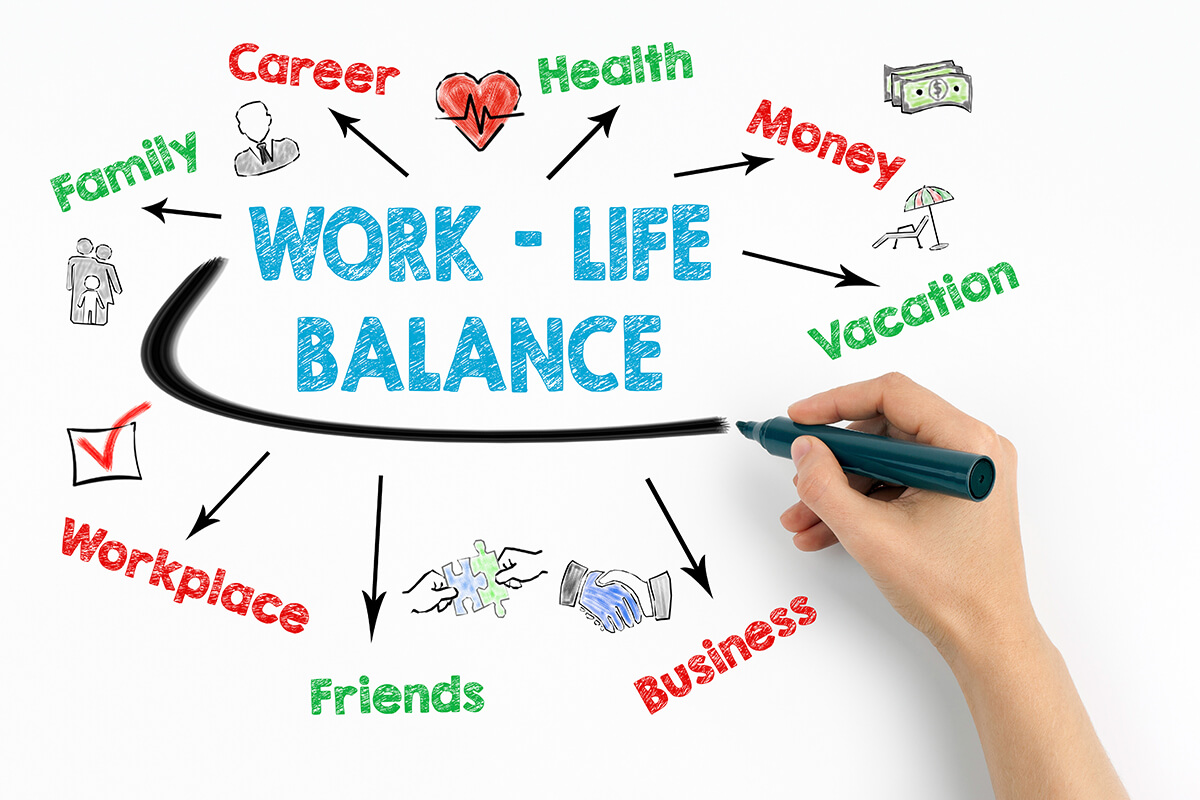
Maintaining a healthy work-life balance is crucial for students’ well-being and academic success. Frequent breaks throughout the study day offer numerous benefits:

- Improved Focus and Concentration: Breaks allow the brain to rest and recharge, enhancing focus and attention when returning to studying.
- Reduced Stress and Anxiety: Regular breaks provide opportunities to de-stress, reduce anxiety levels, and clear the mind.
- Increased Productivity: Taking breaks prevents burnout and improves overall productivity by allowing students to return to work feeling refreshed and motivated.
- Better Physical Health: Breaks allow students to stretch, move around, and give their eyes a rest to prevent physical discomfort.
- Improved Mood and Well-being: Breaks facilitate socialization, relaxation, and mood elevation, contributing to an overall sense of well-being.
Prioritizing Breaks

To ensure adequate breaks throughout the day, students should plan and prioritize them accordingly:
- Schedule Breaks: Allocate specific times in the study schedule for breaks and stick to them.
- Use a Timer: Set a timer to alert students when it’s time for a break to avoid getting absorbed in studying for too long.
- Short and Frequent Breaks: Take short breaks (5-15 minutes) every hour or so to prevent fatigue.
- Complete Breaks: Fully step away from studying during breaks. Use this time to engage in non-academic activities.
- Variety of Activities: Incorporate different activities during breaks to prevent boredom, such as walking, listening to music, or socializing.
Balancing Breaks and Studying
While breaks are essential, it’s important to avoid excessive or frequent breaks that can disrupt study flow. Students can find a balance by following these tips:
- Set Boundaries: Establish clear boundaries between study time and break time to prevent breaks from extending beyond the allotted duration.
- Prioritize Tasks: Complete important tasks during peak focus times and schedule breaks during less productive periods.
- Reward Breaks: Grant yourself a longer or more enjoyable break as a reward for completing a difficult task.
Tips for Productive Breaks
To maximize the benefits of breaks, students should strive to make them productive and enjoyable:
- Step Outside: Get some fresh air and sunlight to boost mood and creativity.
- Socialize: Interact with friends or family to reduce stress and enhance well-being.
- Exercise: Engage in light physical activity, such as stretching or walking, to improve blood flow and alertness.
- Mindfulness: Practice mindfulness exercises, such as focusing on breathing or observing one’s surroundings, to promote relaxation and reduce anxiety.
- Hobbies: Engage in enjoyable hobbies during breaks to stimulate creativity and reduce stress.
By prioritizing and incorporating regular breaks into their study routine, students can reap the numerous benefits of work-life balance, enhance their academic performance, and maintain their physical and mental well-being.## Achieving Work-life Balance: Prioritizing Breaks For Students
Executive Summary
Striking a healthy work-life balance is crucial for students’ academic success and overall well-being. By incorporating strategic breaks into their study schedules, students can mitigate stress, improve focus, and enhance overall productivity. This article provides practical strategies for optimizing breaks, empowering students to achieve a balanced and fulfilling academic life.
Introduction
The relentless demands of academic life can often lead to overwhelming stress and burnout among students. Neglecting breaks can have detrimental effects on mental health, cognitive function, and academic performance. Emphasizing the importance of prioritizing breaks, this article outlines actionable tips to help students create a sustainable and balanced study routine.
FAQs
Why are breaks important for students?
- Reduce stress and prevent burnout
- Improve focus and concentration
- Enhance creativity and problem-solving abilities
How often should students take breaks?
- Every 25-30 minutes of focused study
- For 5-10 minutes at a time
What activities are recommended during breaks?
- Physical movement (e.g., walking, stretching)
- Social interaction (e.g., talking to friends, family)
- Relaxing activities (e.g., listening to music, reading)
Top 5 Subtopics for Achieving Work-life Balance
1. Set Boundaries
- Establish clear schedules and stick to them
- Limit study time to specific hours
- Designate specific areas for studying and breaks
2. Prioritize Tasks
- Identify the most important tasks and prioritize them
- Break down large tasks into smaller, manageable chunks
- Delegate tasks when possible
3. Take Regular Breaks
- Set timers for every 25-30 minutes of study
- Take short, 5-10 minute breaks to move around, socialize, or relax
- Avoid skipping breaks, even when feeling pressured
4. Schedule Activities Outside of Study
- Plan time for hobbies, social events, and exercise
- Set aside time for relaxation and stress relief
- Engage in activities that bring joy and fulfillment
5. Seek Support
- Talk to friends, family, or a counselor about stress and workload
- Reach out to professors or teaching assistants for guidance and support
- Utilize university resources such as health services, counseling centers, and academic support systems
Conclusion
Prioritizing breaks is an essential component of maintaining a healthy work-life balance for students. By embracing strategic breaks, students can effectively manage stress, sharpen focus, and maximize their academic potential. Remember, breaks are not a luxury but a necessity for overall well-being and academic success. Embrace them as an integral part of your study routine and reap the transformative benefits of a balanced and fulfilling student life.
Relevant Keyword Tags
- Work-life balance for students
- Breaks for students
- Time management for students
- Stress management for students
- Academic success and well-being