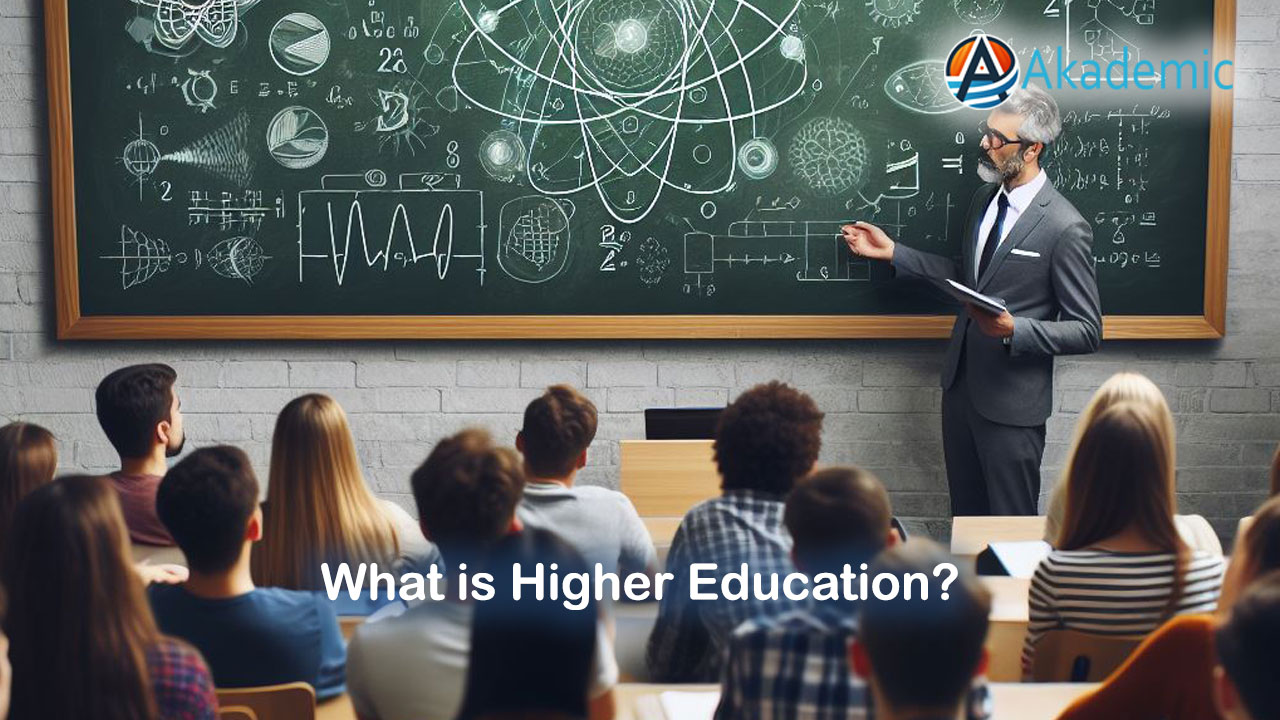
Akademic.eu – Higher education plays a pivotal role in shaping individuals’ academic and professional trajectories. It encompasses a diverse range of post-secondary educational opportunities, including universities, colleges, vocational schools, and professional institutes. In this detailed guide, we’ll delve into what higher education entails, its various forms, and the myriad benefits it offers to students and society as a whole.
What is Higher Education?
Higher education refers to post-secondary educational programs that lead to academic degrees, such as bachelor’s, master’s, and doctoral degrees, as well as professional certifications and diplomas. It typically follows the completion of secondary education and provides students with specialized knowledge and skills in a specific field of study.
Read More:
- What is Educational Psychology? Understanding Educational Psychology
- What is Special Education? Understanding Special Education
- What is Secondary Education? Understanding Secondary Education
- Why is Education Important? The Importance of Education
- Deciphering Post-Secondary Education: A Comprehensive Analysis
Forms of Higher Education Institutions
Universities
Universities offer a wide range of undergraduate and graduate programs across various disciplines. They often engage in research and offer advanced degrees, such as master’s and doctoral degrees.
Colleges
Colleges provide undergraduate programs, including associate and bachelor’s degrees, as well as vocational and technical training programs. They often focus on specific fields of study, such as business, engineering, or healthcare.
Vocational Schools
Vocational schools offer specialized training in specific trades or professions, such as automotive repair, culinary arts, or cosmetology. These programs are designed to prepare students for entry-level positions in their chosen field.
Benefits of Higher Education
Career Opportunities
Higher education significantly expands career opportunities by providing students with specialized knowledge and skills that are in demand in the workforce.
Higher Earning Potential
Individuals with higher education credentials tend to earn higher salaries on average than those with only a high school diploma.
Personal Development
Higher education promotes personal development by fostering critical thinking, problem-solving, and communication skills, as well as a broader understanding of the world.
Networking Opportunities
Higher education provides opportunities to network with professors, peers, and professionals in a chosen field, which can lead to job opportunities and career advancement.
Challenges in Higher Education
Cost
The cost of higher education can be prohibitive for many students, leading to concerns about student debt and access to education.
Access and Equity
There are disparities in access to higher education based on factors such as socioeconomic status, race, and geographic location, highlighting the need for greater equity in education.
Conclusion
Higher education is a transformative experience that opens up a world of opportunities for individuals and society as a whole. By providing students with specialized knowledge and skills, higher education prepares them for success in a rapidly changing world and contributes to the advancement of knowledge and innovation.
Best regards,
Ethan Lee