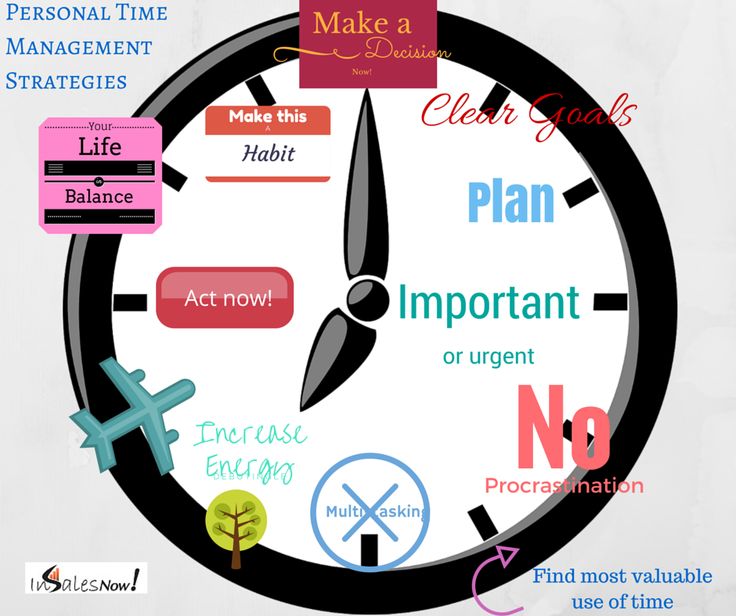
Strategies for Effective Time Management to Balance Work and Personal Life
1. Establish Clear Boundaries:

- Define specific work hours and stick to them.
- Create designated workspaces to minimize distractions during personal time.
- Communicate availability to colleagues and family to prevent interruptions.
2. Prioritize Tasks:

- Use the Eisenhower Matrix to categorize tasks based on urgency and importance.
- Focus on high-priority tasks during peak productivity hours.
- Delegate or eliminate non-essential tasks.
3. Automate and Outsource:
- Use tools like project management apps, calendars, and task automation to streamline tasks.
- Consider outsourcing certain tasks, such as cleaning or errands, to free up time.
4. Batch Similar Tasks:
- Group similar tasks together (e.g., emails, phone calls) and complete them all at once.
- This reduces context switching and improves efficiency.
5. Schedule Breaks:
- Regular breaks are crucial for maintaining focus and productivity.
- Schedule short breaks throughout the workday and longer breaks for lunch, exercise, or personal appointments.
6. Use Technology Wisely:
- Leverage productivity apps such as time trackers, habit trackers, and focus tools.
- Be selective about notifications and social media usage to minimize distractions.
7. Delegate and Ask for Help:
- Don’t hesitate to delegate tasks to colleagues or family members when necessary.
- Asking for help can lighten the load and create opportunities for others to contribute.
8. Take Time for Personal Activities:
- Schedule regular time for hobbies, exercise, and social connections.
- Take vacations and use personal days to rejuvenate and recharge.
9. Evaluate and Adjust Regularly:
- Regularly review your time management plan and adjust it based on changing circumstances or feedback.
- Identify areas where you can improve efficiency or delegate more responsibilities.
10. Practice Self-Care:
- Prioritize your physical and mental well-being.
- Engage in activities that reduce stress, such as exercise, mindfulness, or spending time in nature.
- Set boundaries to protect your personal time and avoid burnout.## Balancing Work And Personal Life: Strategies For Effective Time Management
Executive Summary
Striking a balance between work and personal life is crucial for overall well-being, productivity, and career satisfaction. Effective time management is the key to achieving this equilibrium. This article explores comprehensive strategies to optimize time usage, prioritize tasks, and establish clear boundaries, empowering individuals to lead fulfilling lives both professionally and personally.
Introduction
The relentless demands of work often encroach upon personal time, leading to stress, burnout, and compromised relationships. However, with mindful planning and strategic time management techniques, it is possible to achieve a harmonious integration of both aspects of life. This article provides practical guidance to maximize productivity, enhance work-life balance, and foster a sense of personal fulfillment.
FAQs
1. How do I prioritize my tasks effectively?
- Use the Eisenhower Matrix to categorize tasks based on urgency and importance.
- Focus on completing high-priority tasks first, delegating or eliminating less critical ones.
- Break down large projects into smaller, manageable steps.
2. What time management tools can I use?
- Utilize calendars, to-do lists, and project management software to track appointments, tasks, and deadlines.
- Explore time-tracking apps to identify areas where time is spent inefficiently.
- Consider using automation tools to streamline repetitive tasks.
3. How do I set clear boundaries between work and personal life?
- Establish designated work hours and stick to them.
- Avoid checking work emails or taking calls outside of work hours.
- Create a dedicated workspace that is separate from personal areas.
Time Management Strategies
Prioritization
- Identify essential tasks: Determine which tasks are crucial for achieving goals and focus on completing them first.
- Delegate and outsource: Identify tasks that can be effectively handled by others, freeing up your time for higher-value activities.
- Use the Pareto Principle (80/20 rule): Recognize that 20% of tasks often contribute to 80% of results. Prioritize these tasks accordingly.
Organization
- Create a daily to-do list: Plan your day by creating a to-do list and prioritizing tasks based on importance and urgency.
- Use a time-blocking technique: Allocate specific time slots for different tasks, ensuring that you allocate sufficient time to critical activities.
- Minimize distractions: Identify and eliminate distractions during work hours to maintain focus and productivity.
Boundaries
- Establish clear work hours: Set specific work hours and adhere to them consistently, avoiding the temptation to work late into the evening or on weekends.
- Communicate boundaries to colleagues: Inform your colleagues of your work hours and request that they respect them.
- Take regular breaks: Schedule short breaks throughout the day to prevent burnout and maintain focus.
Technology
- Utilize productivity apps: Use task management apps, calendars, and time-tracking tools to streamline your workflow and stay organized.
- Explore automation tools: Consider using tools that automate tasks such as email filtering, scheduling, or social media management.
- Use technology to disconnect: Set limits on screen time outside of work hours and use apps that block notifications during personal time.
Mindfulness and Self-Care
- Practice mindfulness: Take regular breaks to de-stress, clear your mind, and refocus on the present moment.
- Prioritize self-care: Engage in activities that promote physical, mental, and emotional well-being, such as exercise, healthy eating, and hobbies.
- Seek support when needed: Don’t hesitate to ask for help from colleagues, family, or friends when feeling overwhelmed or stressed.
Conclusion
Achieving a harmonious balance between work and personal life requires a combination of effective time management strategies and mindful self-care practices. By prioritizing tasks, establishing clear boundaries, leveraging technology judiciously, and prioritizing personal well-being, individuals can unlock their full potential, excel in their careers, and cultivate a fulfilling and meaningful life outside of work. Remember that balancing work and personal life is an ongoing journey, requiring regular adjustments and adaptations to maintain harmony and fulfillment.
Keyword Tags
- Time Management
- Work-Life Balance
- Time Blocking
- Prioritization
- Self-Care