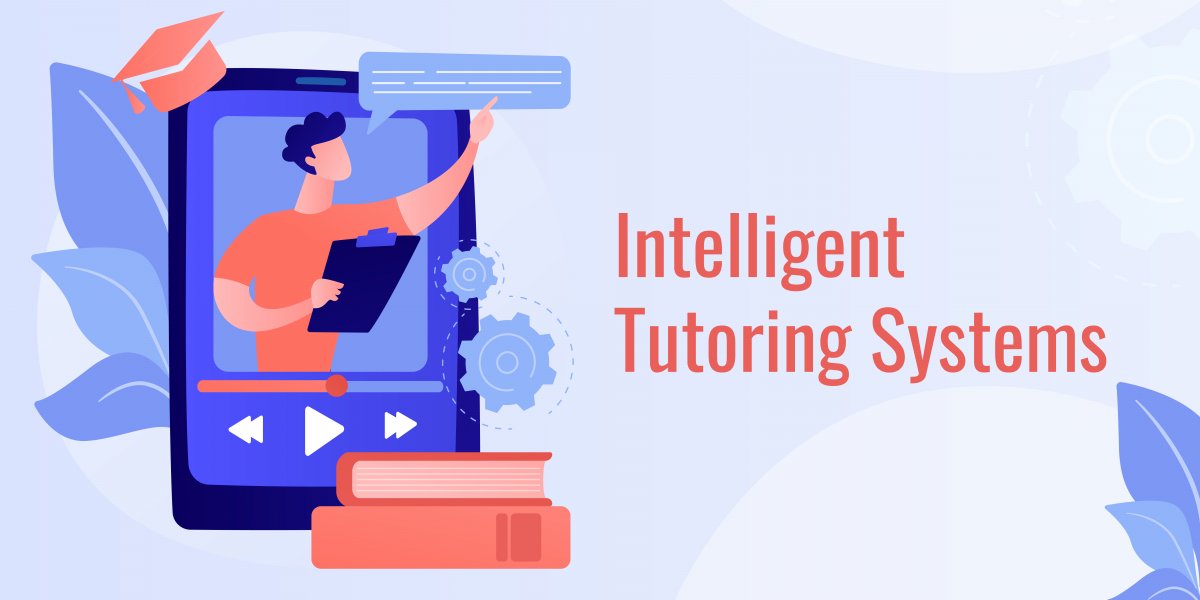
Intelligent Tutoring Systems (ITS)
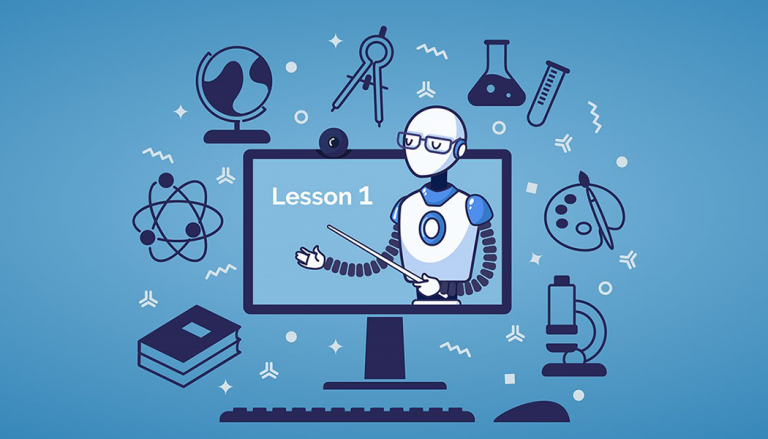
ITS are computer-based systems that provide personalized and interactive learning experiences to improve academic achievement. They use artificial intelligence (AI) and machine learning (ML) to adapt to individual student needs and provide tailored support.
Benefits of ITS:
- Personalized learning: ITS track student progress and adjust the difficulty level, content, and pace to meet individual needs.
- Adaptive feedback: ITS provide immediate feedback on student answers and offer explanations and hints to help them understand concepts.
- Skill building: ITS focus on developing specific skills through targeted exercises and drills.
- Motivation and engagement: ITS make learning interactive and engaging, increasing student motivation and reducing boredom.
- Improved outcomes: Studies have shown that students using ITS achieve significantly higher academic scores than those using traditional methods.
How ITS Boost Academic Achievement:
- Diagnose learning gaps: ITS identify areas where students need additional support and provide targeted interventions.
- Provide immediate feedback: ITS provide real-time feedback on student responses, helping them identify errors and reinforce correct answers.
- Scaffold learning: ITS offer step-by-step guidance and support, helping students build a strong foundation in concepts.
- Adaptive content: ITS adjust the difficulty and content based on student performance, ensuring they are challenged but not overwhelmed.
- Personalized instruction: ITS tailor instruction to individual learning styles and preferences, improving student engagement and retention.
Examples of ITS in Practice:
- Khan Academy: Provides free online tutoring in math, science, and other subjects.
- Brilliant: Offers interactive lessons, simulations, and quizzes in STEM subjects.
- Duolingo: Teaches languages through gamified exercises and personalized feedback.
- Mathway: Provides solutions and step-by-step explanations for difficult math problems.
- Adaptive Learning Platform: A cloud-based platform that provides personalized learning experiences for a range of subjects.
Conclusion:
Intelligent Tutoring Systems leverage AI and ML to transform the way students learn. By providing personalized learning, adaptive feedback, and targeted skill building, ITS empower students to achieve greater academic success and foster a lifelong love for learning.## Boosting Academic Achievement With Intelligent Tutoring Systems
Executive Summary
Intelligent Tutoring Systems (ITSs) are computer-based learning environments designed to provide personalized instruction and support to students. By leveraging advanced technologies such as artificial intelligence and machine learning, ITSs can adapt to individual student needs, offer tailored feedback, and promote active engagement, leading to enhanced academic achievement.
Introduction
The education landscape has undergone a significant transformation in recent times, with technology playing an increasingly vital role in enhancing teaching and learning methodologies. Intelligent Tutoring Systems (ITSs) represent a groundbreaking advancement in this realm, offering a transformative approach to personalized learning that has the potential to revolutionize the educational experience for students across the globe.
FAQs
Q: What are the key benefits of using ITSs?
A: ITSs provide numerous advantages, including personalized instruction, adaptive learning paths, real-time feedback, and engaging learning experiences, ultimately leading to improved student outcomes.
Q: How do ITSs differ from traditional teaching methods?
A: ITSs leverage technology to create interactive and individualized learning environments that cater to each student’s unique needs and learning styles, unlike traditional methods that often adopt a one-size-fits-all approach.
Q: Are ITSs suitable for all students?
A: ITSs are designed to be inclusive and accessible to all students, regardless of their learning abilities or backgrounds. They provide tailored support and scaffolding to ensure that every student has the opportunity to succeed.
Subtopics
Personalized Learning
ITSs provide personalized learning experiences by tailoring content and instruction to each student’s unique needs.
- Adaptive learning paths: ITSs track student progress and adjust the learning content and difficulty level based on their performance.
- Individualized feedback: Students receive real-time feedback on their work, helping them identify areas for improvement and reinforce concepts.
- Learning styles: ITSs consider different learning styles and preferences, providing customized content and activities that cater to each student’s optimal learning approach.
Active Engagement
ITSs promote active engagement by making learning interactive and engaging.
- Interactive simulations: Students can engage in virtual simulations and experiments, allowing them to experience abstract concepts in a practical context.
- Gamification: ITSs incorporate game-like elements to make learning more enjoyable and motivating, fostering a sense of accomplishment and progress.
- Collaboration: ITSs facilitate collaboration among students, allowing them to share ideas, work on projects together, and learn from each other.
Data-Driven Insights
ITSs collect and analyze data on student performance, providing valuable insights for educators and students.
- Real-time monitoring: Educators can monitor student progress in real-time, identifying areas where additional support or intervention is required.
- Student self-assessment: ITSs provide students with tools to self-assess their understanding, helping them identify areas for improvement and set realistic goals.
- Targeted interventions: Educators can use data from ITSs to develop targeted interventions that address specific learning challenges and support students who are struggling.
Cognitive Skill Development
ITSs support the development of higher-order cognitive skills, such as critical thinking, problem-solving, and decision-making.
- Problem-solving scenarios: ITSs present students with real-world problem-solving scenarios that require critical thinking and analysis.
- Decision-making simulations: Students can practice making complex decisions in simulated environments, developing the ability to weigh evidence and make informed choices.
- Metacognition: ITSs promote metacognition by encouraging students to reflect on their learning process, identify their strengths and weaknesses, and develop strategies for improvement.
Assessment and Evaluation
ITSs provide comprehensive assessment and evaluation tools to track student progress and measure learning outcomes.
- Formative assessments: ITSs conduct regular formative assessments to provide timely feedback and identify areas for improvement.
- Adaptive testing: ITSs use adaptive testing algorithms to assess student knowledge and skills, adjusting the difficulty level based on their performance.
- Reporting and analytics: ITSs generate detailed reports and analytics that provide educators and students with insights into student progress and areas for improvement.
Conclusion
Intelligent Tutoring Systems represent a transformative force in education, harnessing the power of technology to redefine personalized learning. By providing tailored instruction, fostering active engagement, offering data-driven insights, supporting cognitive skill development, and enhancing assessment and evaluation, ITSs empower students to achieve their full academic potential. As technology continues to advance, ITSs are poised to play an increasingly significant role in shaping the future of education, ensuring that every student has the opportunity to succeed.
Keywords
- Intelligent Tutoring Systems (ITSs)
- Personalized Learning
- Adaptive Learning
- Data-Driven Insights
- Cognitive Skill Development