Enhancing Educational Outcomes with Intelligent Learning Analytics
Introduction:
Learning analytics (LA) plays a crucial role in enhancing educational outcomes by providing valuable insights into student learning patterns, engagement levels, and areas for improvement. Intelligent LA leverages advanced technologies to further refine these capabilities, offering a more comprehensive and actionable approach to educational optimization.
Key Benefits of Intelligent Learning Analytics:
1. Data-Driven Decision Making:
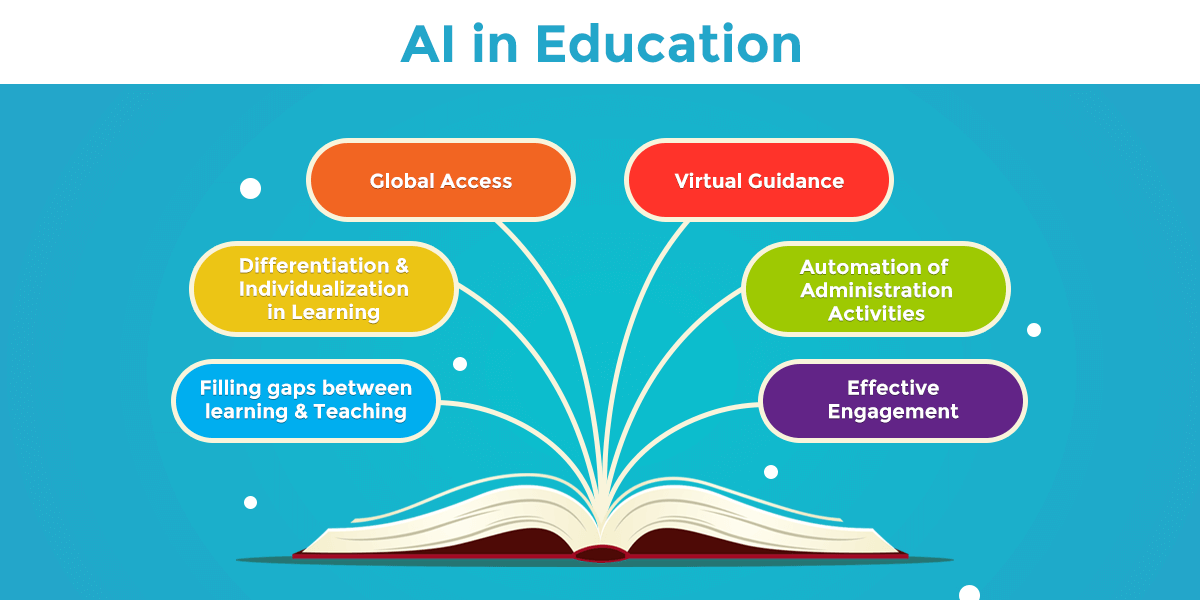
Intelligent LA collects and analyzes large volumes of data from multiple sources, including learning management systems (LMS), assessments, and student interactions. This data helps educators identify trends, patterns, and correlations that inform evidence-based decisions about teaching strategies, course design, and student support interventions.
2. Personalized Learning:
Intelligent LA enables personalized learning experiences by tailoring content, pacing, and assessments to individual student needs. It identifies students struggling with specific concepts and provides targeted support, while also challenging advanced learners with more demanding material.
3. Predictive Modeling:
Advanced algorithms in intelligent LA predict student risks and identify potential indicators of academic success or failure. This allows educators to proactively intervene and provide early warning systems to prevent dropout or underperformance.
4. Adaptive Learning:
Intelligent LA powers adaptive learning platforms that adjust content and difficulty levels based on student performance. These systems ensure that students are always challenged at an optimal level, maximizing engagement and learning outcomes.
5. Enhanced Feedback:
Intelligent LA provides automated feedback on student performance, freeing up educators to focus on higher-level tasks. This timely and actionable feedback helps students identify areas for improvement and develop self-regulation skills.
Successful Implementation of Intelligent Learning Analytics:
1. Data Security and Privacy:
Ensuring the protection and ethical use of student data is paramount. Institutions must establish clear policies and procedures to safeguard student privacy and address potential ethical concerns.
2. Educator Training:
Educators need training to interpret and utilize LA insights effectively. Professional development programs should focus on data literacy, predictive modeling, and personalized instruction techniques.
3. Technological Infrastructure:
An adequate technological infrastructure is essential for collecting, storing, and analyzing LA data. Institutions should invest in robust LMS, data warehouses, and visualization tools.
4. Collaboration:
Effective implementation of intelligent LA requires collaboration between educators, technologists, and administrators. Cross-functional teams can ensure data is used strategically and interventions are implemented effectively.
5. Continuous Evaluation:
Regular evaluation of intelligent LA initiatives is crucial to assess their impact on educational outcomes. Institutions should track key metrics, such as student engagement, performance, and persistence, to refine their approach and optimize results.
Conclusion:
Intelligent learning analytics is a transformative tool that empowers educators with data-driven insights to enhance educational outcomes. By leveraging advanced technologies, intelligent LA enables personalized learning, proactive interventions, and a more student-centered approach to education. With careful implementation and a commitment to data security, privacy, and collaboration, institutions can unlock the full potential of intelligent LA and create an optimal learning environment for all students.## Enhancing Educational Outcomes With Intelligent Learning Analytics
Executive Summary
Intelligent Learning Analytics (ILA) empowers educators to leverage data-driven insights into student learning, fostering personalized and effective learning experiences. By utilizing advanced analytics techniques, ILA extracts meaningful patterns from vast educational datasets, providing educators with actionable data to monitor progress, identify learning gaps, and tailor instruction accordingly. This innovative approach transforms teaching and learning, optimizing educational outcomes and empowering students to reach their full potential.
Introduction
The education landscape is rapidly evolving, demanding innovative approaches to enhance student learning and engagement. Intelligent Learning Analytics (ILA) emerges as a transformative tool, harnessing the power of data to revolutionize teaching and learning methodologies. ILA empowers educators with unprecedented insights into individual student learning patterns, enabling them to create highly personalized and effective learning experiences.
Frequently Asked Questions (FAQs)
- What is Intelligent Learning Analytics (ILA)?
ILA involves the application of advanced data analytics techniques to educational data, providing insights into student learning patterns, engagement levels, and areas for improvement. - How does ILA benefit educators?
ILA equips educators with detailed data on student performance, enabling them to tailor instruction, address individual needs, and optimize the learning process. - What types of data does ILA use?
ILA analyzes a wide range of educational data, including student demographics, grades, attendance, engagement metrics, and feedback from assessments.
Top Subtopics in Intelligent Learning Analytics
Data Collection and Analysis
ILA starts with gathering relevant educational data from various sources, including learning management systems, assessments, and surveys. Advanced analytics techniques are then applied to extract meaningful patterns and identify trends in the data, providing valuable insights into student learning.
- Types of Data Collected: Student demographics, academic performance, engagement metrics, feedback
- Data Analysis Techniques: Machine learning, statistical modeling, natural language processing
- Identifying Learning Patterns: Understanding student strengths, weaknesses, and learning styles
- Predictive Analytics: Forecasting student performance and identifying areas for intervention
Personalized Learning
ILA enables educators to tailor instruction to each student’s unique needs and learning style. By analyzing individual learning patterns, educators can identify gaps in knowledge, adjust the pace of instruction, and provide targeted support.
- Adaptive Learning Platforms: Adjust content and activities based on student progress
- Personalized Feedback: Provide tailored feedback on student assignments and assessments
- Learning Pathways: Create customized learning paths for students with specific goals
- Student Engagement: Monitor student engagement levels and identify areas for improvement
Early Intervention and Support
ILA empowers educators to proactively identify students at risk of falling behind. By analyzing student data, ILA can detect patterns that indicate potential learning difficulties or disengagement, allowing educators to intervene early and provide support.
- Risk Assessment Models: Identify students at risk of academic failure or dropout
- Targeted Interventions: Provide tailored support services to address specific student needs
- Early Warning Systems: Alert educators to potential problems before they escalate
- Student Support Networks: Connect students with appropriate resources and support systems
Data Privacy and Security
ILA involves handling sensitive student data, making data privacy and security paramount. Robust measures must be in place to protect student information and maintain confidentiality.
- Data Protection Regulations: Compliance with data privacy laws and regulations, such as FERPA
- Encryption and Access Control: Secure storage and access to student data
- Data Anonymization: Protecting student identities while preserving data for analysis
- Transparency and Communication: Informing students and parents about data collection and usage
Ethical Considerations
ILA raises ethical considerations related to data usage, privacy, and potential bias. It is crucial to ensure responsible and ethical implementation of ILA to avoid unintended consequences.
- Bias Mitigation: Identifying and addressing potential biases in data analysis and algorithms
- Data Ownership and Consent: Obtaining informed consent from students and parents
- Transparency: Communicating the purposes and uses of data to students and stakeholders
- Accountability: Ensuring accountability for the use and interpretation of data
Conclusion
Intelligent Learning Analytics (ILA) is a transformative tool that unlocks the potential of data to enhance educational outcomes. By providing educators with deep insights into student learning patterns, ILA empowers them to create personalized and effective learning experiences. As the field of ILA continues to evolve, it is poised to revolutionize teaching and learning, empowering students to reach their full potential and succeed in the 21st-century workforce.
Keyword Tags
- Intelligent Learning Analytics
- Personalized Learning
- Data-Driven Education
- Early Intervention
- Educational Technology