Engage
- Invite students to share their thoughts and ideas.
- Provide opportunities for student input and decision-making.
Nurture
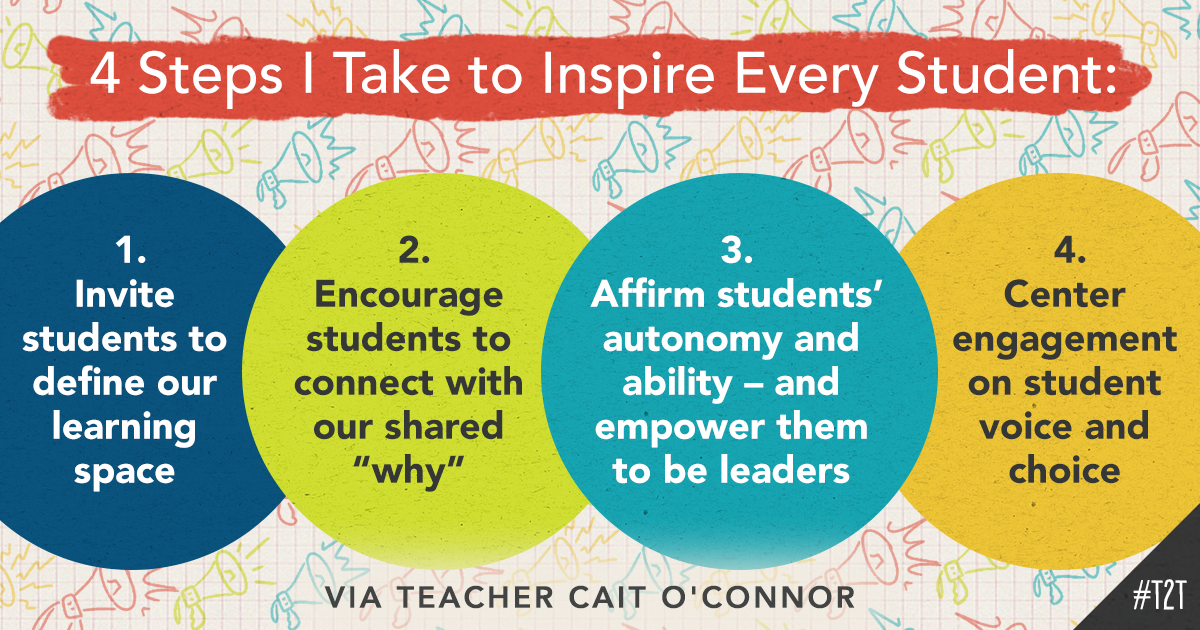
- Listen attentively to student voices.
- Acknowledge and value student perspectives.
- Foster a growth mindset where mistakes are embraced as learning opportunities.
Goal-Setting
- Guide students in setting goals that are:
- Specific
- Measurable
- Action-oriented
- Relevant
- Time-bound
Independence
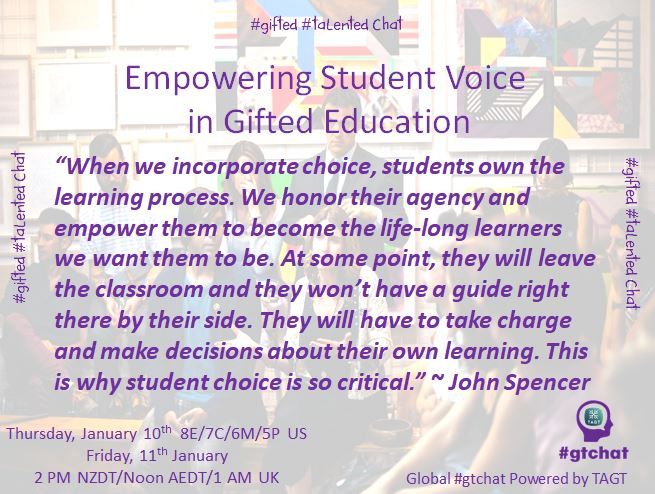
- Empower students to choose their own goals.
- Provide scaffolding and support as needed.
- Allow students to take ownership of their learning.
Share
- Encourage students to share their goals with others.
- Create opportunities for students to present and discuss their goals.
- Celebrate student accomplishments and milestones.## Empowering Student Voice: How To Set Goals Students Own
Executive Summary:
We are committed to fostering a vibrant and engaging learning environment where every student has an opportunity to succeed and reach their full potential. Our goal-setting framework is designed to empower students to take ownership of their learning, develop a strong sense of self-efficacy, and cultivate a passion for lifelong learning.
Introduction:
In today’s rapidly evolving educational landscape, it is more important than ever to equip students with the skills and dispositions necessary to navigate their own learning journeys and make informed decisions about their futures. One of the most effective ways to do this is to give students a voice in setting their own goals. When students are given the opportunity to participate in the goal-setting process, they are more likely to be invested in their learning, take ownership of their progress, and achieve their full potential.
FAQ:
1. Why is it important to involve students in setting goals?
- Fosters student ownership and engagement in learning.
- Develops students’ self-efficacy and sense of responsibility.
- Encourages students to take risks and challenge themselves.
2. How can I involve students in setting goals?
- Create a safe and supportive learning environment.
- Provide students with opportunities to reflect on their strengths and interests.
- Facilitate student-led goal-setting conferences.
3. What are some tips for setting effective goals with students?
- Make goals specific, measurable, achievable, relevant, and time-bound.
- Collaborate with students to develop goals that are aligned with their individual needs and interests.
- Provide students with ongoing support and feedback as they work towards their goals.
Subtopics:
1. Creating a Culture of Student Voice:
- Definition: Fostering an environment where students feel valued, respected, and empowered to express their thoughts and ideas.
- Important Elements:
- Establishing a classroom community where students feel safe to share their perspectives.
- Providing students with opportunities to participate in decision-making processes.
- Actively listening to student feedback and incorporating it into instruction.
2. Assessing Student Readiness for Goal Setting:
- Definition: Determining whether students have the necessary skills and dispositions to set and achieve meaningful goals.
- Important Elements:
- Assessing students’ self-awareness and ability to reflect on their own learning.
- Evaluating students’ goal-setting skills and previous experiences with goal achievement.
- Providing students with support and scaffolding as needed to develop their goal-setting abilities.
3. Facilitating Student-Led Goal-Setting Conferences:
- Definition: Meetings between students and teachers where students take the lead in setting and discussing their learning goals.
- Important Elements:
- Preparing students for the conferences by providing them with resources and guidance.
- Creating a structured agenda for the conferences that includes time for student reflection and goal setting.
- Documenting the goals and action plans developed during the conferences.
4. Providing Ongoing Support and Feedback:
- Definition: Regularly checking in with students to monitor their progress towards their goals and provide support and feedback as needed.
- Important Elements:
- Establishing a regular schedule for goal check-ins.
- Using a variety of methods to provide feedback, such as written comments, verbal feedback, or student self-assessments.
- Celebrating student successes and providing constructive feedback on areas for improvement.
5. Evaluating the Effectiveness of Student Goal Setting:
- Definition: Regularly assessing the impact of student goal setting on student learning and engagement.
- Important Elements:
- Collecting data on student goal achievement, self-efficacy, and motivation.
- Analyzing data to identify trends and areas for improvement.
- Making adjustments to the goal-setting process based on the evaluation results.
Conclusion:
Empowering students to set their own goals is a powerful way to foster their engagement in learning, develop their self-efficacy, and prepare them for success in school and beyond. By creating a culture of student voice, assessing student readiness, facilitating student-led goal-setting conferences, providing ongoing support and feedback, and evaluating the effectiveness of student goal setting, we can empower our students to take ownership of their learning and reach their full potential.
Keyword Tags:
- Student voice
- Goal setting
- Student ownership
- Self-efficacy
- Learning motivation