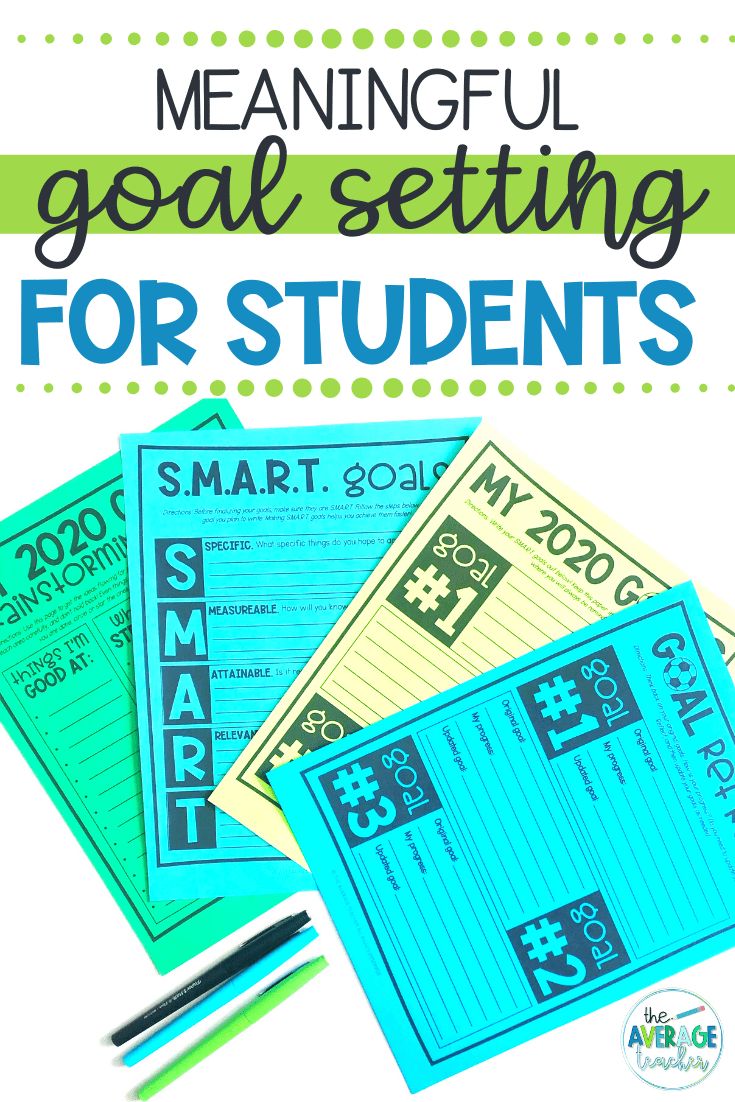
Setting Meaningful Goals for Authentic Learning: Beyond the Test
Goals:
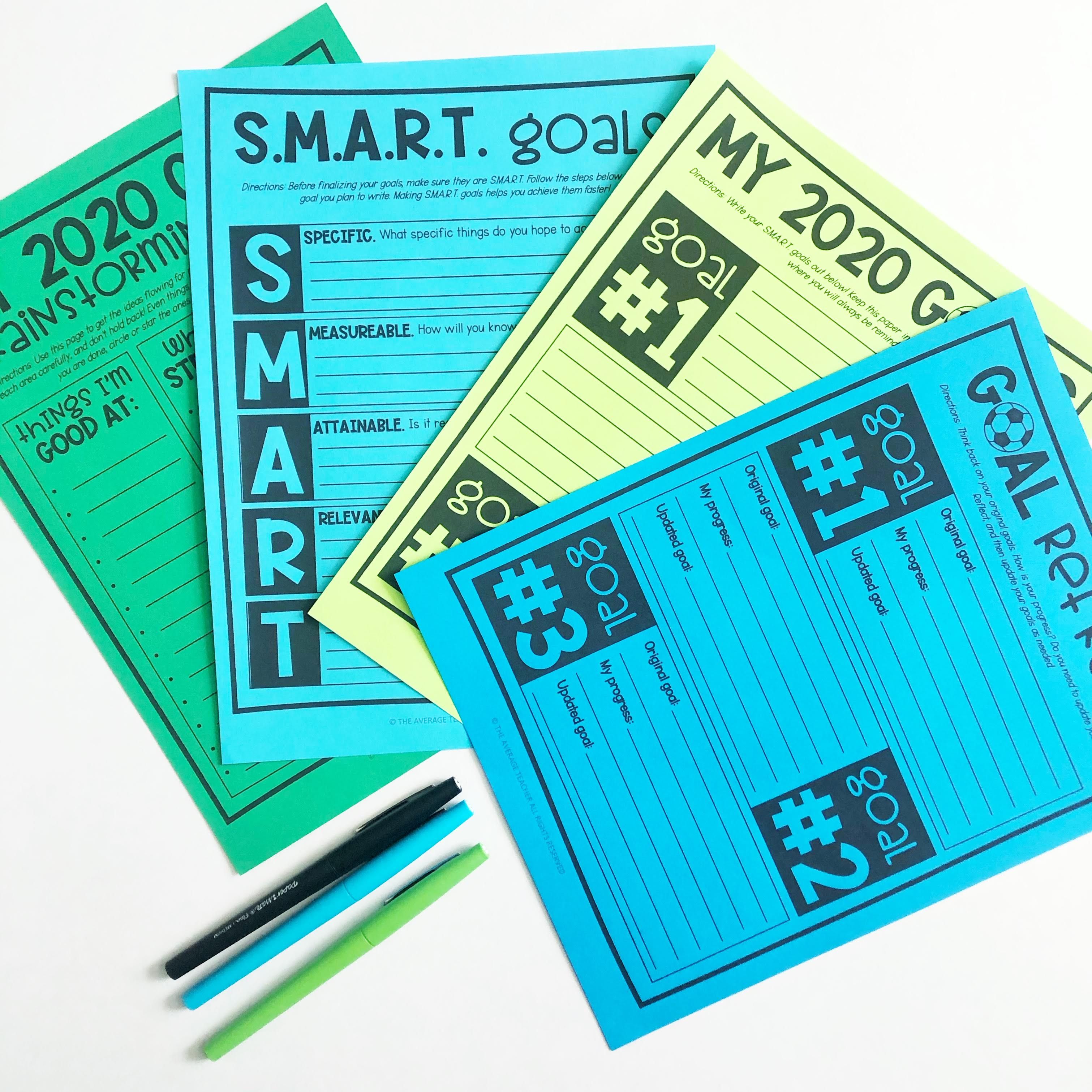
- Engagement: Foster student interest and connection.
- Inquiry: Develop critical thinking and problem-solving skills.
- Skill: Enhance practical knowledge and real-life applications.
- Growth: Promote continuous improvement and personal discovery.
- Honesty: Ensure goals are aligned with genuine learning objectives.
Integrated Learning:

- Connect schoolwork to students’ lives and experiences.
- Create hands-on projects that apply learning in meaningful contexts.
- Engage students in research and discovery that ignites curiosity.
Personalized Learning Paths:
- Allow students to choose areas of interest that align with their goals.
- Provide differentiated instruction to meet diverse learning styles.
- Offer guidance and support to foster independence and self-directed learning.
Assessment for Growth:
- Utilize formative assessments to track progress and provide feedback.
- Design authentic assessments that reflect real-life learning experiences.
- Involve students in self-assessment and reflection to foster accountability.
Collaborative Learning:
- Encourage peer-to-peer interaction and knowledge sharing.
- Facilitate group projects that promote cooperation and communication.
- Create a positive and supportive learning environment that values diversity.
Empowering Students:
- Provide students with agency and responsibility for their learning.
- Offer opportunities for self-directed inquiry and project-based learning.
- Foster a growth mindset that encourages perseverance and resilience.
By setting meaningful goals grounded in engagement, inquiry, skill, growth, and honesty, educators can transform learning into an authentic and transformative experience for students, empowering them to thrive in a rapidly changing world.## Beyond The Test: Setting Meaningful Goals For Authentic Student Learning
Executive Summary
In today’s educational landscape, where standardized testing often dominates the conversation, it’s imperative to shift our focus towards setting meaningful goals that prioritize authentic student learning. This article delves into the significance of going beyond test scores and explores five key subtopics that educators should consider when crafting goals that foster genuine understanding, critical thinking, and lifelong learning.
Introduction
Authentic student learning goes beyond rote memorization and test-taking. It involves engaging learners in meaningful experiences that foster critical thinking, problem-solving, and collaboration. By setting clear and purposeful goals that align with authentic learning principles, educators can empower students to develop the skills and knowledge they need to succeed in college, career, and life.
FAQ
1. Why is it important to set meaningful goals for authentic student learning?
Meaningful goals provide students with a clear direction and motivate them to engage deeply with the learning process. They foster intrinsic motivation, encourage students to take ownership of their learning, and help them develop a lifelong love for knowledge.
2. How can I ensure my goals are authentic?
Authentic goals are connected to real-world situations, focus on critical thinking and problem-solving, and allow students to demonstrate their understanding in various ways. They involve students in hands-on activities, projects, and experiences that reflect the complexities of the world outside the classroom.
3. What are some examples of meaningful goals for authentic student learning?
- Students can design and conduct scientific experiments to test hypotheses.
- Students can develop multimedia presentations to communicate their understanding of historical events.
- Students can create portfolios that showcase their growth and progress over time.
Subtopics
1. Student Engagement
- Active participation: Students actively participate in the learning process through discussions, projects, and hands-on activities.
- Personalized learning: Goals are tailored to individual student needs, interests, and learning styles.
- Collaboration: Students work together in groups to solve problems, share ideas, and learn from each other.
- Choice: Students have opportunities to make choices about their learning, which fosters ownership and motivation.
2. Critical Thinking
- Analysis and evaluation: Students develop the ability to analyze information, evaluate evidence, and draw informed conclusions.
- Problem-solving: Students are presented with real-world problems to solve, which requires them to apply critical thinking skills.
- Reasoning and logic: Goals emphasize the importance of logical reasoning and the development of sound arguments.
- Creativity and innovation: Students are encouraged to think outside the box, generate new ideas, and develop creative solutions.
3. Communication
- Effective expression: Students develop proficiency in expressing their ideas and knowledge through writing, speaking, and multimedia.
- Audience awareness: Goals consider the intended audience and ensure students can communicate effectively to different groups.
- Collaboration: Students collaborate with peers to share ideas, present findings, and participate in discussions.
- Digital literacy: Students use technology to communicate, research, and create knowledge products.
4. Global Citizenship
- Cultural awareness: Goals promote understanding and appreciation of diverse cultures and perspectives.
- Intercultural empathy: Students develop the ability to understand and connect with people from different backgrounds.
- Sustainability: Goals emphasize the importance of environmental stewardship and global responsibility.
- Social justice: Students learn about social justice issues and develop the skills to advocate for equity and inclusion.
5. Lifelong Learning
- Curiosity and inquiry: Goals foster a love for learning and encourage students to continue exploring new knowledge.
- Self-directed learning: Students develop the skills to take ownership of their learning and pursue knowledge independently.
- Reflection and metacognition: Goals encourage students to reflect on their learning experiences and identify areas for improvement.
- Transferable skills: Students develop skills that are valuable in various contexts, both academic and professional.
Conclusion
Setting meaningful goals for authentic student learning is essential for fostering genuine understanding, critical thinking, and lifelong learning. By focusing on student engagement, critical thinking, communication, global citizenship, and lifelong learning, educators can create learning environments that empower students to become active, responsible, and globally engaged citizens. Shifting our paradigm from standardized testing to authentic learning will not only improve student outcomes but also prepare them to navigate the challenges and opportunities of the 21st century.
Keyword Tags
- Authentic Student Learning
- Meaningful Goals
- Critical Thinking
- Communication
- Lifelong Learning