Maximizing Productivity: The Art of Task Prioritization and Time Management
In today’s fast-paced business environment, maximizing productivity is paramount to success. Effective task prioritization and time management are essential tools for individuals seeking to optimize their productivity and achieve their goals. Here’s a comprehensive guide to mastering these techniques:
Task Prioritization
- Identify High-Value Tasks: Determine the tasks that contribute most significantly to your goals. These are your “A” tasks.
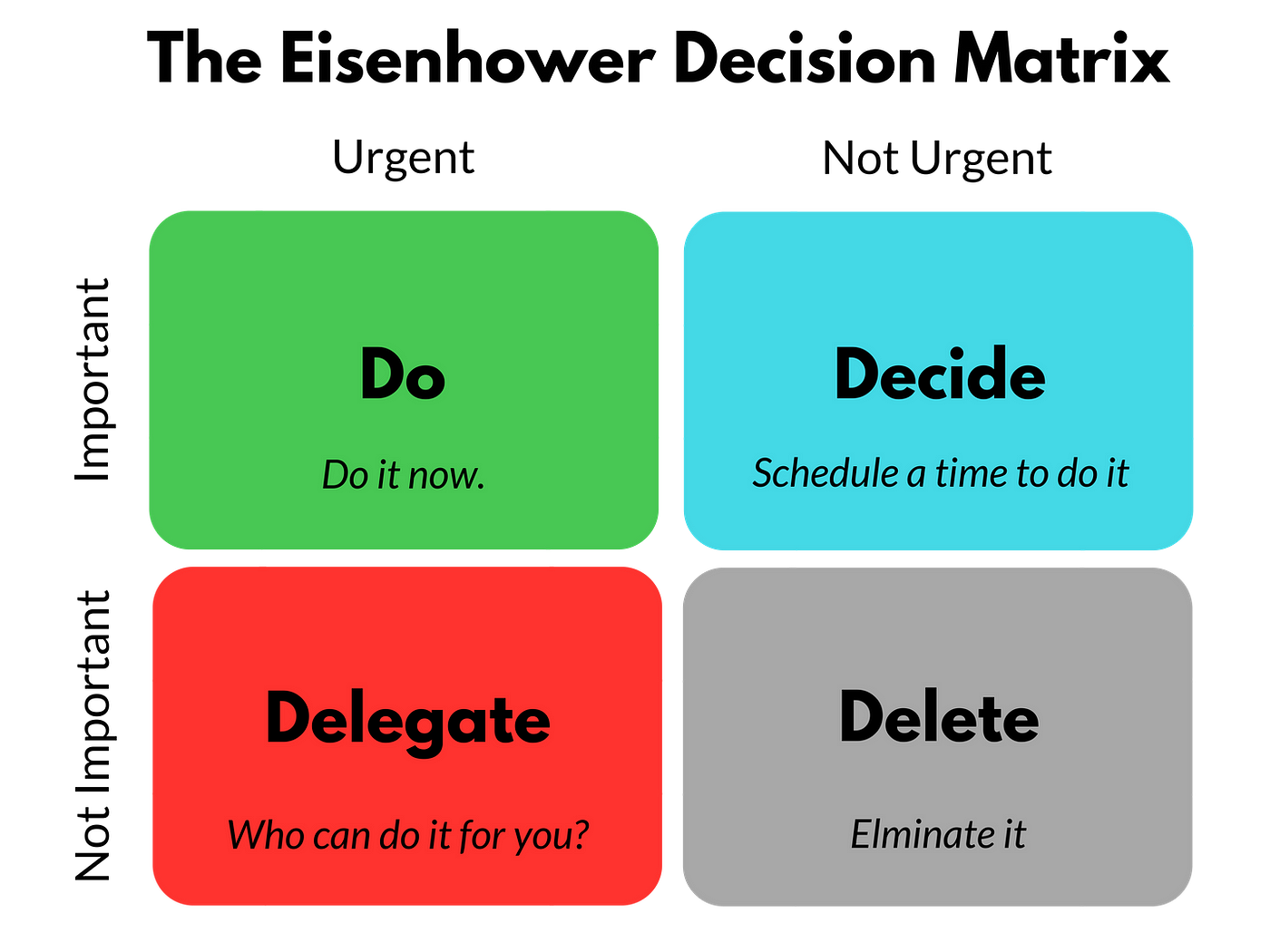
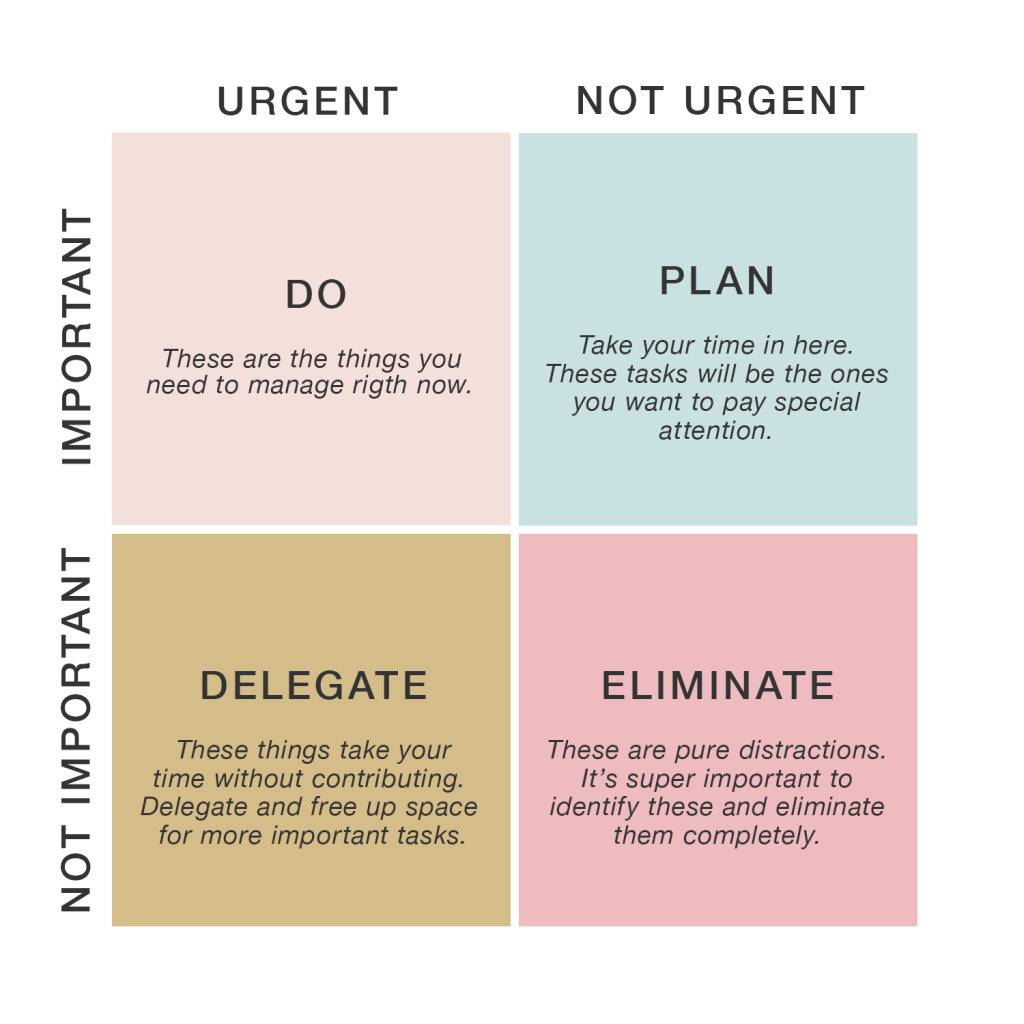
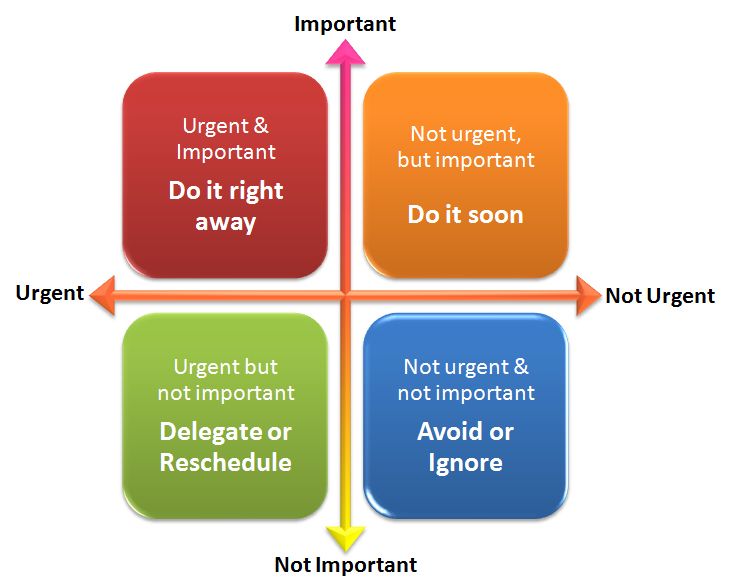
- Use the Eisenhower Matrix: Categorize tasks based on urgency and importance. A tasks are urgent and important, B tasks are important but not urgent, C tasks are urgent but not important, and D tasks are neither urgent nor important. Focus on completing A tasks first.
- Apply the ABCDE Method: Assign letters (A to E) to tasks based on their priority. A tasks are the most important and should be completed first, while E tasks can be delegated or postponed.
- Consider the 80/20 Rule: Recognize that 20% of your tasks will likely yield 80% of your results. Focus on tackling these high-impact tasks first.
Time Management
- Create a Schedule and Stick to It: Allocate specific time slots for different tasks and activities. Consistency in your schedule will improve your focus and productivity.
- Use a Task List or Planner: Keep track of your tasks and deadlines in a centralized location. This helps you stay organized and avoid forgetting important deadlines.
- Break Large Projects into Smaller Tasks: Divide overwhelming projects into smaller, manageable chunks. This makes them seem less daunting and easier to start.
- Delegate and Outsource: Identify tasks that can be delegated to others or outsourced. This frees up your time to focus on more important responsibilities.
- Utilize Technology: Leverage time management tools and apps to help you organize your schedule, track your progress, and stay on top of tasks.
Additional Tips for Enhancing Productivity
- Set Realistic Goals: Avoid setting yourself up for failure by setting unrealistic goals. Break down large goals into smaller, achievable milestones.
- Take Breaks: Short, regular breaks can help you stay focused and prevent burnout. Step away from your desk for a few minutes to clear your mind and return refreshed.
- Minimize Distractions: Identify and eliminate distractions in your work environment. This includes social media, emails, and unnecessary noise.
- Evaluate and Adjust: Regularly review your task prioritization and time management strategies. Identify areas for improvement and make adjustments as needed.
- Seek Support: Don’t hesitate to seek help from colleagues, managers, or mentors. They can provide valuable insights and support.
By mastering task prioritization and time management, you can significantly enhance your productivity and achieve your professional goals. Remember, it’s an ongoing journey that requires discipline, consistency, and a willingness to adjust along the way. Embrace these techniques and unlock the full potential of your time and effort.## Executive Summary
In today’s fast-paced business environment, maximizing productivity is essential for success. Effective task prioritization and time management techniques are crucial for achieving this goal. This article will provide a comprehensive guide to mastering these skills, enabling you to allocate your time and resources wisely, enhance your efficiency, and accomplish more in less time.
Introduction
Are you overwhelmed by the constant stream of tasks and responsibilities that demand your attention? Feeling like you’re常に juggling multiple projects and never getting ahead? Effective task prioritization and time management are the keys to unlocking your productivity potential and achieving a sense of control over your workday. By implementing these strategies, you’ll be able to allocate your time and resources wisely, enhance your efficiency, and accomplish more in less time.
3 Frequently Asked Questions
- How do I differentiate between urgent and important tasks?
- Urgent: Tasks that require immediate attention, usually related to time-sensitive deadlines or emergencies.
- Important: Tasks that contribute to long-term goals or strategic objectives, but may not have immediate deadlines.
- What methods can I use to prioritize tasks?
- Eisenhower Matrix: Categorize tasks based on urgency and importance, prioritizing those that are both urgent and important.
- ABCDE Method: Assign letters (A-E) to tasks based on their importance, with A being the most important.
- MoSCoW Method: Classify tasks as “Must have,” “Should have,” “Could have,” or “Won’t have,” prioritizing must-haves.
- How can I optimize my time management techniques?
- Time Blocking: Schedule specific blocks of time for different tasks, minimizing distractions and maximizing focus.
- Pomodoro Technique: Alternate between focused work sessions (typically 25 minutes) and short breaks (typically 5 minutes).
- Delegation: Identify tasks that can be delegated to others to free up your time for more critical activities.
Top 5 Subtopics
Task Prioritization
- Identify your goals: Define your long-term and short-term goals to provide a framework for task prioritization.
- Analyze task dependencies: Determine which tasks must be completed before others to avoid delays or rework.
- Consider the consequences: Evaluate the potential impact of delaying or neglecting certain tasks on your goals.
- Break down complex tasks: Divide large or overwhelming tasks into smaller, manageable chunks to make them less daunting.
- Use prioritization tools: Utilize Eisenhower Matrix, ABCDE Method, or MoSCoW Method to categorize and prioritize your tasks.
Time Management
- Create a schedule: Plan your day or week in advance, allocating specific time slots for different tasks and appointments.
- Minimize distractions: Identify and eliminate distractions during work sessions to maintain focus and productivity.
- Learn to say no: Decline additional commitments or tasks that conflict with your priorities or schedule.
- Maximize breaks: Take short breaks throughout the day to improve focus and prevent burnout.
- Evaluate and adjust: Regularly assess your time management techniques and make adjustments as needed to optimize efficiency.
Delegation
- Identify suitable tasks: Determine which tasks can be delegated without compromising quality or accountability.
- Find the right person: Choose individuals who have the necessary skills, experience, and reliability to handle the delegated tasks.
- Provide clear instructions: Explain the task clearly, including expectations, deadlines, and any necessary resources.
- Monitor progress: Regularly check in with delegates to ensure tasks are being completed according to specifications.
- Provide feedback and support: Offer guidance, encouragement, and support to delegates to facilitate their success.
Automation
- Identify repetitive tasks: Analyze your workflow to identify tasks that can be automated using software or technology.
- Explore automation tools: Research and implement tools that can streamline tasks such as scheduling, data entry, or communication.
- Set up automated workflows: Design automated processes to trigger actions based on specific criteria, reducing manual effort.
- Monitor and optimize: Track the effectiveness of your automated tasks and make adjustments to improve efficiency and accuracy.
- Consider the limitations: Understand that not all tasks can be automated and evaluate the potential risks before automating critical processes.
Technology
- Collaboration tools: Utilize software or apps to facilitate teamwork, share documents, and track project progress.
- Time management apps: Use time tracking tools to monitor your time spent on different tasks and identify areas for improvement.
- Task management tools: Manage and track your tasks, set deadlines, and collaborate with team members.
- Automation software: Implement tools to automate repetitive tasks, streamline processes, and improve efficiency.
- Virtual assistants: Consider utilizing AI-powered virtual assistants to handle tasks such as scheduling, data entry, or email management.
Conclusion
Mastering task prioritization and time management is an ongoing journey that requires consistent effort and refinement. By implementing the strategies outlined in this article, you’ll gain control over your workload, increase your productivity, and achieve a greater sense of accomplishment. Remember to regularly assess and adjust your techniques to ensure they remain aligned with your goals and optimize your performance.
Keyword Tags
- Task Prioritization
- Time Management
- Delegation
- Automation
- Productivity