
Top Tips for Balancing Work and Online Learning
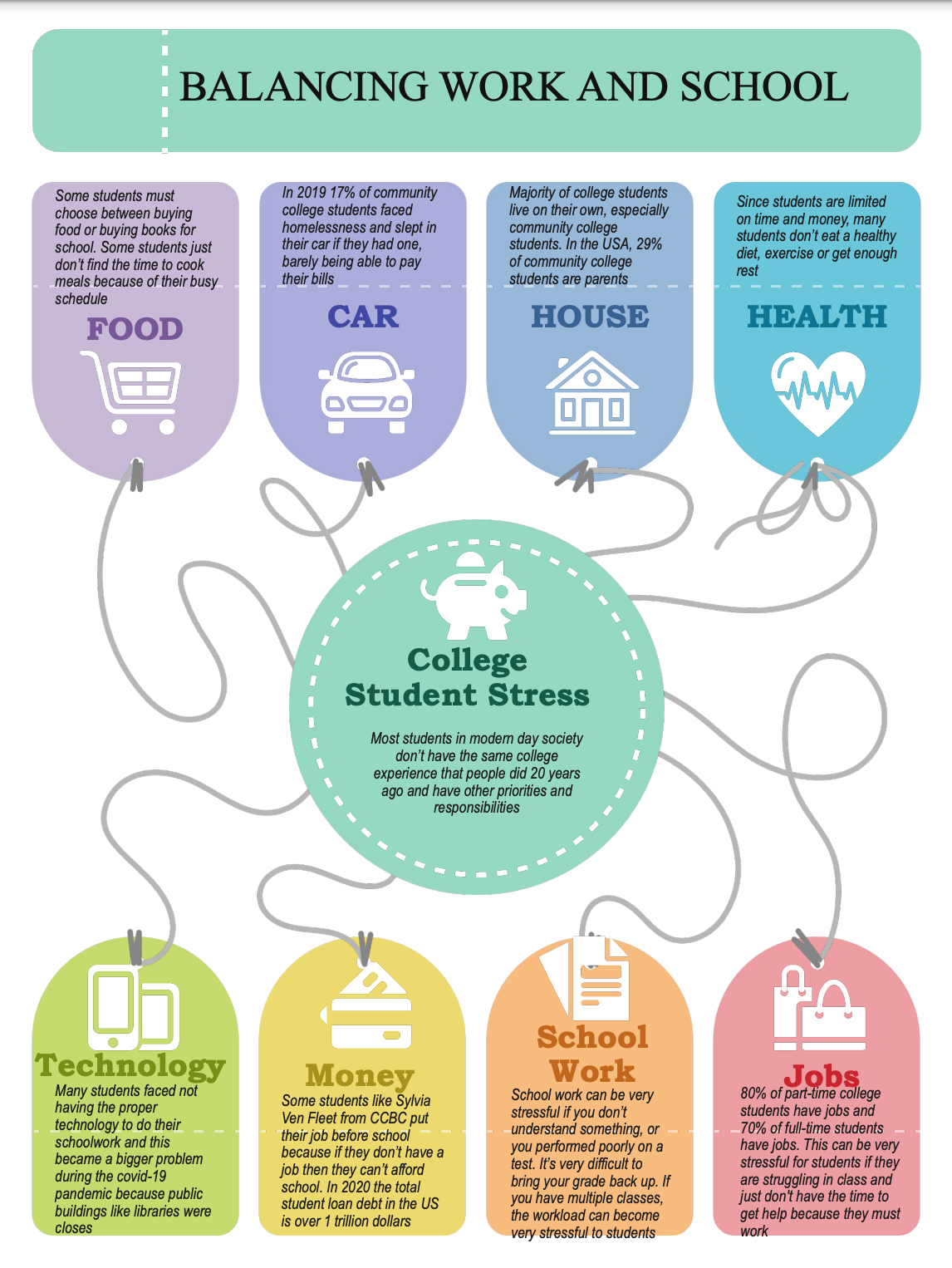
Prioritize and Schedule:
- Create a weekly schedule that prioritizes both work and study obligations.
- Allocate specific time slots for studying, assignments, and work tasks.
- Stick to your schedule as much as possible to maintain structure and focus.
Set Boundaries:

- Designate a dedicated workspace for studying to minimize distractions.
- Establish clear work-study hours to avoid burnout and maintain a healthy work-life balance.
- Inform family, friends, and colleagues about your study schedule and request their support.
Manage Time Effectively:
- Use time management techniques like the Pomodoro Technique to break down study sessions into manageable chunks.
- Take regular breaks to prevent fatigue and improve focus.
- Delegate or outsource work tasks that you don’t have time for.
Maximize Technology:
- Utilize calendar reminders, task management apps, and note-taking software to stay organized and on track.
- Consider using noise-canceling headphones to minimize distractions during study sessions.
- Explore virtual study groups or online forums for peer support and collaboration.
Communicate with Instructors and Colleagues:
- Reach out to instructors if you need clarification or additional support with course material.
- Stay connected with colleagues to discuss work projects and seek assistance when needed.
- Be transparent about your online learning commitments and negotiate flexible work arrangements if possible.
Maintain Flexibility:
- Be prepared to adjust your schedule as needed to accommodate unexpected changes or deadlines.
- Don’t hesitate to ask for extensions or rearrange assignments if you encounter unavoidable conflicts.
- Seek support from family, friends, or mentors who can provide encouragement and motivation.
Self-Care and Well-being:
- Prioritize sleep, nutrition, and exercise to maintain overall health and well-being.
- Engage in stress-reducing activities such as yoga, meditation, or spending time in nature.
- Don’t be afraid to take breaks when you need them to clear your head and refocus.
Additional Tips:
- Consider part-time or flexible work options that allow for more study time.
- Explore scholarships or financial assistance programs to reduce the financial burden of online learning.
- Connect with other online learners through social media or online communities for support and accountability.
- Remember that balancing work and online learning is a journey, not a destination. Be patient and make adjustments as needed to find your optimal balance.## Top Tips For Balancing Work And Online Learning
Executive Summary
Balancing work and online learning can be a challenge, but it is possible with the right strategies. This article provides tips on how to effectively manage both work and online learning commitments, including time management techniques, effective online learning strategies, and self-care strategies.
Introduction
With the rise of online learning, more and more people are pursuing higher education while working full-time. This can be a daunting task, as it requires careful time management and effective study habits. However, with the right approach, it is possible to balance both work and online learning successfully.
FAQ
1. How can I manage my time effectively while balancing work and online learning?
2. What are some tips for effective online learning?
3. How important is self-care while balancing work and online learning?
Time Management
Time management is crucial for balancing work and online learning. Here are some tips:
- Create a schedule and stick to it: Develop a weekly schedule that allocates specific time slots for work, online learning, and personal activities. Stick to the schedule as much as possible.
- Prioritize tasks: Identify the most important tasks for both work and online learning and focus on completing those first.
- Take breaks: It is important to take regular breaks throughout the day to avoid burnout. Get up and move around, or step outside for some fresh air.
- Delegate: If possible, delegate tasks at work or at home to free up time for online learning.
- Use technology: Utilize technology to help you manage your time, such as calendars, to-do lists, and time tracking apps.
Effective Online Learning
Effective online learning requires a different approach than traditional face-to-face learning. Here are some tips:
- Set up a dedicated study space: Create a dedicated study space that is free from distractions.
- Be active and engaged: Participate in online discussions, ask questions, and engage with the material.
- Take notes: Taking notes helps you to retain information and stay engaged.
- Use online resources: Utilize online resources such as discussion forums, virtual tutoring, and online libraries to supplement your learning.
- Get feedback: Seek feedback from instructors and peers to identify areas where you can improve.
Self-Care
Self-care is essential for maintaining your physical and mental well-being while balancing work and online learning. Here are some tips:
- Get enough sleep: Aim for 7-8 hours of sleep each night.
- Eat healthy foods: Nourish your body with healthy and balanced meals.
- Exercise regularly: Exercise helps to reduce stress and improve mood.
- Take breaks: Take regular breaks throughout the day to relax and recharge.
- Connect with others: Spend time with friends and family, or join online communities to connect with others who are also balancing work and online learning.
Conclusion
Balancing work and online learning is not easy, but it is possible with the right strategies. By implementing effective time management techniques, engaging in effective online learning, and practicing self-care, you can successfully navigate both your work and educational commitments. Remember to prioritize your tasks, take breaks, and seek support when needed. With dedication and perseverance, you can achieve your goals and reap the benefits of both work and online learning.
Keyword Tags
- Time management
- Online learning
- Self-care
- Work-life balance
- Higher education