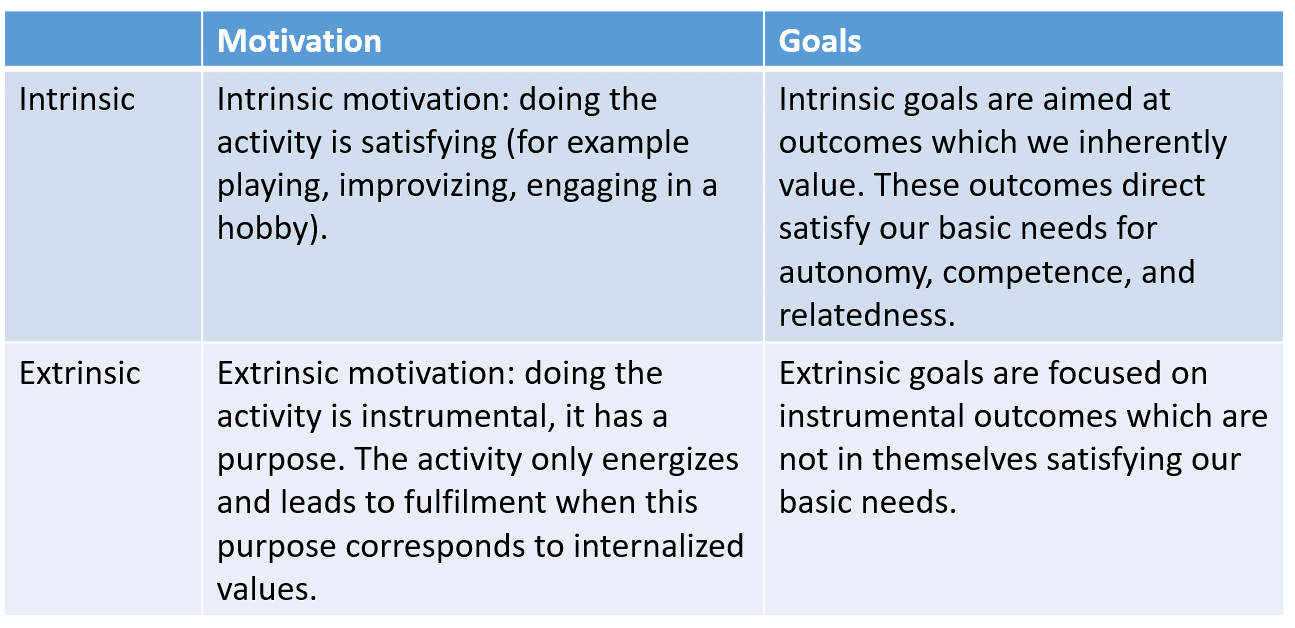
In the realm of learning’s hallowed halls, where knowledge gleams and minds ignite, motivation holds the key to unlocking potential. Beyond the confines of grades, let us delve into the depths of intrinsic goals, stirring within young hearts the flames of lifelong learning.
The grade-centric approach, while serving its purpose in measuring progress, can inadvertently lead to a diminished focus on the intrinsic value of knowledge. When students strive solely for extrinsic rewards, their learning becomes shallow and fleeting. True motivation lies not in the pursuit of external validation but in the recognition of learning’s inherent worth.
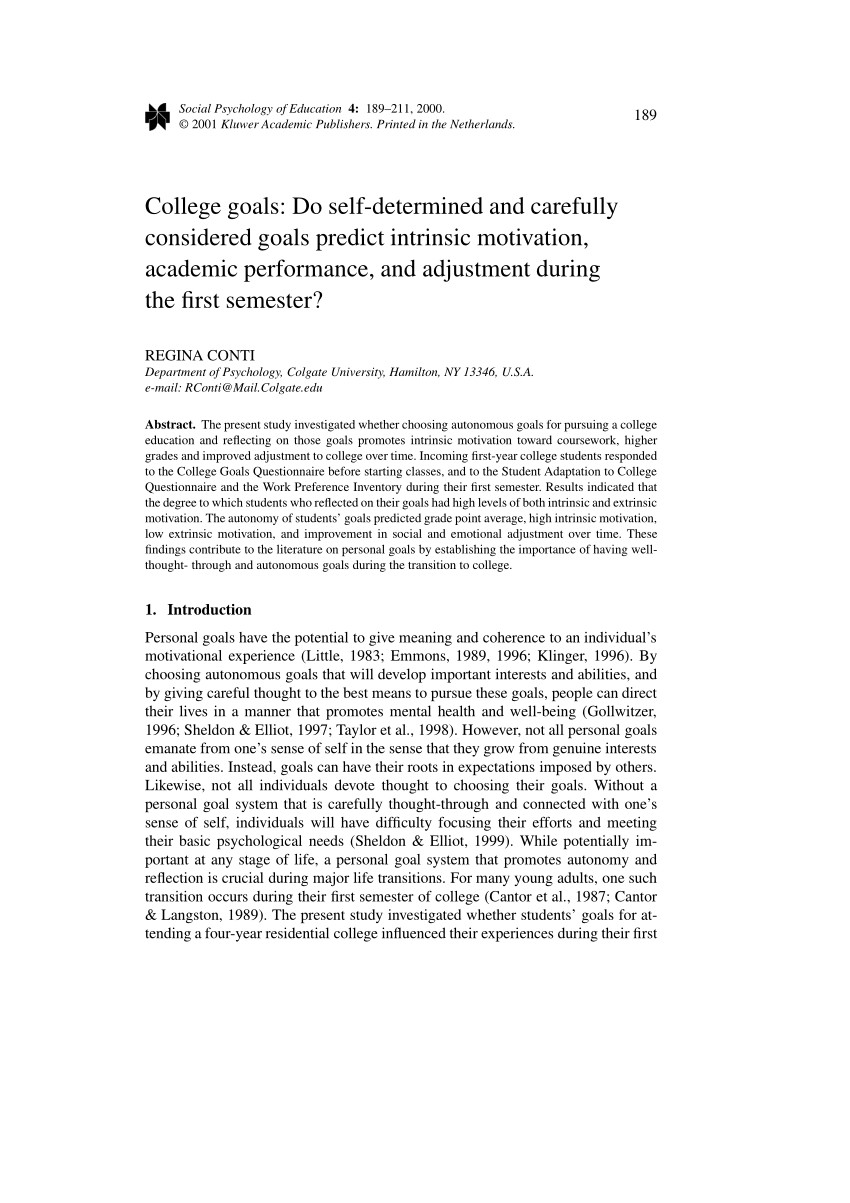
Intrinsic goals ignite a fire within the soul, propelling individuals to seek knowledge for its own sake. They unleash the boundless potential of curiosity, inspiring students to embrace learning as a joyful adventure. These goals are grounded in personal interests, values, and aspirations. They drive students to explore beyond the textbooks, to delve into the depths of a subject, and to connect their learning to real-world experiences.

Nurturing intrinsic motivation requires a shift in perspective. Educators must create learning environments that foster curiosity, encourage exploration, and empower students to take ownership of their learning. By providing opportunities for students to pursue their passions, ask meaningful questions, and make connections between their experiences and the world around them, we can ignite the spark of intrinsic motivation.
When students are intrinsically motivated, they set their sights high, not driven by the desire for grades but by the pursuit of personal growth and fulfillment. They approach challenges with resilience, viewing setbacks as opportunities for learning. They are self-directed, actively seeking out knowledge and embracing lifelong learning.
The benefits of intrinsic motivation extend far beyond the classroom. Studies have shown that students who are intrinsically motivated have higher levels of academic achievement, critical thinking skills, and overall well-being. They are more likely to pursue careers that align with their interests and values, leading to greater satisfaction and fulfillment in their professional lives.
As educators, it is our sacred duty to inspire our students to set intrinsic goals, to cultivate a love for learning that will endure beyond the confines of their formal education. Let us empower them to become lifelong learners, driven by the intrinsic rewards of knowledge, growth, and the pursuit of meaningful lives.## Motivation Beyond The Grade: Inspiring Students To Set Intrinsic Goals
Executive Summary
Intrinsic motivation is the desire to engage in an activity for its own inherent enjoyment, rather than for external rewards. This type of motivation is essential for student success, as it helps students to learn more deeply, retain information better, and persist in the face of challenges.
Educators can foster intrinsic motivation by creating a positive and supportive learning environment, providing students with opportunities to set their own goals, and encouraging them to reflect on their progress. By inspiring students to set intrinsic goals, educators can help them to develop a lifelong love of learning.
Introduction
Motivation is a key factor in student success. Students who are motivated are more likely to engage in their studies, learn effectively, and achieve their academic goals. However, traditional methods of motivation, such as grades and rewards, can often lead to extrinsic motivation, which is based on external factors such as earning good grades or avoiding punishment.
Intrinsic motivation, on the other hand, is driven by internal factors such as curiosity, enjoyment, and a desire to learn. This type of motivation is more likely to lead to sustained success, as it is not dependent on external rewards.
FAQs
1. What is intrinsic motivation?
Intrinsic motivation is the desire to engage in an activity for its own inherent enjoyment, rather than for external rewards. It is driven by internal factors such as curiosity, enjoyment, and a desire to learn.
2. Why is intrinsic motivation important?
Intrinsic motivation is important because it leads to sustained success. Students who are intrinsically motivated are more likely to engage in their studies, learn effectively, and achieve their academic goals.
3. How can educators foster intrinsic motivation?
Educators can foster intrinsic motivation by creating a positive and supportive learning environment, providing students with opportunities to set their own goals, and encouraging them to reflect on their progress.
Subtopics
1. The Importance of Intrinsic Motivation
Intrinsic motivation is essential for student success. Students who are intrinsically motivated are more likely to:
- Engage in their studies
- Learn effectively
- Retain information better
- Persist in the face of challenges
- Achieve their academic goals
2. Fostering Intrinsic Motivation
Educators can foster intrinsic motivation by:
- Creating a positive and supportive learning environment
- Providing students with opportunities to set their own goals
- Encouraging students to reflect on their progress
- Providing challenging and engaging activities
- Giving students choice and autonomy
3. Setting Intrinsic Goals
Students can set intrinsic goals by:
- Identifying their interests and passions
- Setting goals that are challenging but achievable
- Focusing on the process, not the outcome
- Celebrating their progress and accomplishments
- Seeking feedback from others
4. Overcoming Barriers to Intrinsic Motivation
There are a number of barriers to intrinsic motivation, including:
- Extrinsic rewards
- Fear of failure
- Negative self-talk
- A lack of support
Educators can help students to overcome these barriers by:
- Providing a supportive and encouraging environment
- Helping students to set realistic goals
- Encouraging students to focus on their progress, not their mistakes
- Celebrating students’ successes
5. The Benefits of Intrinsic Motivation
Intrinsic motivation has a number of benefits, including:
- Increased engagement and learning
- Improved retention of information
- Greater persistence in the face of challenges
- A lifelong love of learning
Conclusion
Intrinsic motivation is essential for student success. By inspiring students to set intrinsic goals, educators can help them to develop a lifelong love of learning. This will lead to sustained success, not only in school but in all aspects of their lives.
Keyword Tags
- Intrinsic motivation
- Student motivation
- Goal setting
- Education
- Learning