Equity in Education: Inclusive Learning Environments with Intelligent Tutoring Systems
Introduction
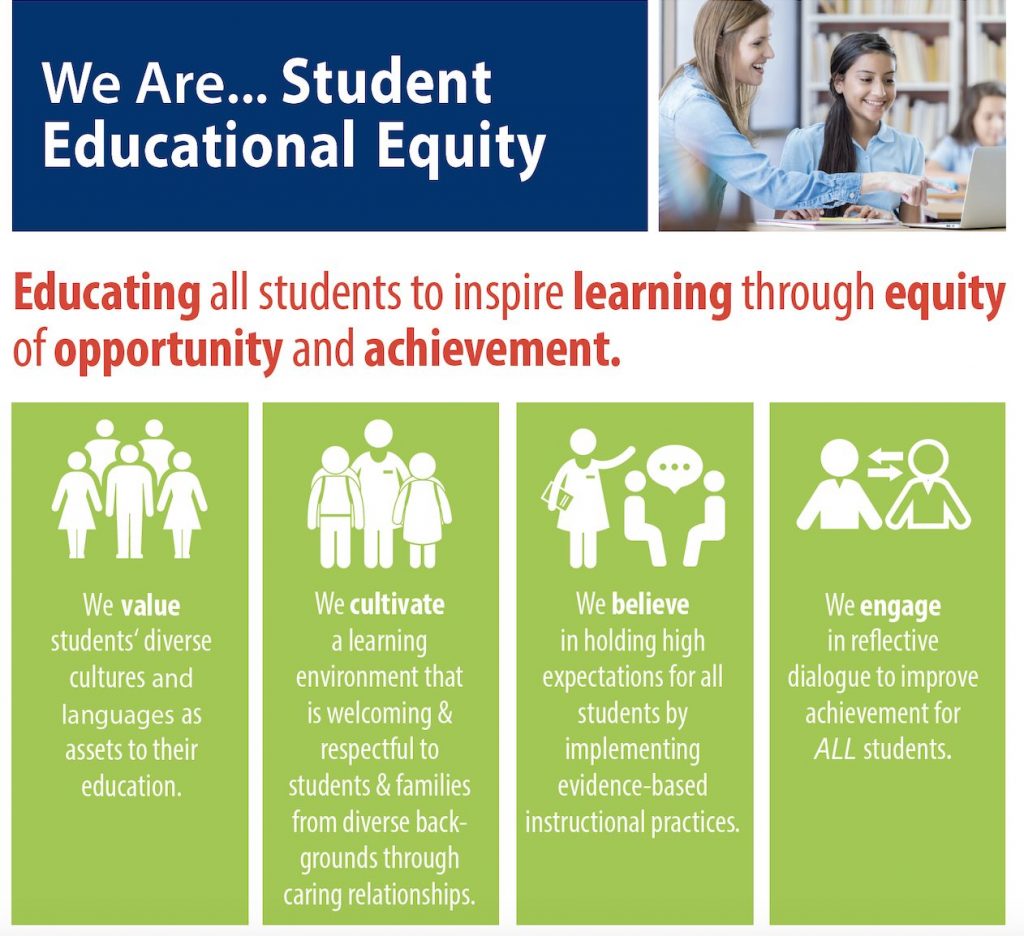
Education plays a pivotal role in shaping the future of individuals and society. However, traditional educational practices often perpetuate inequities, leaving marginalized students behind. Intelligent Tutoring Systems (ITSs) have emerged as a promising solution to address these disparities and promote equity in education.
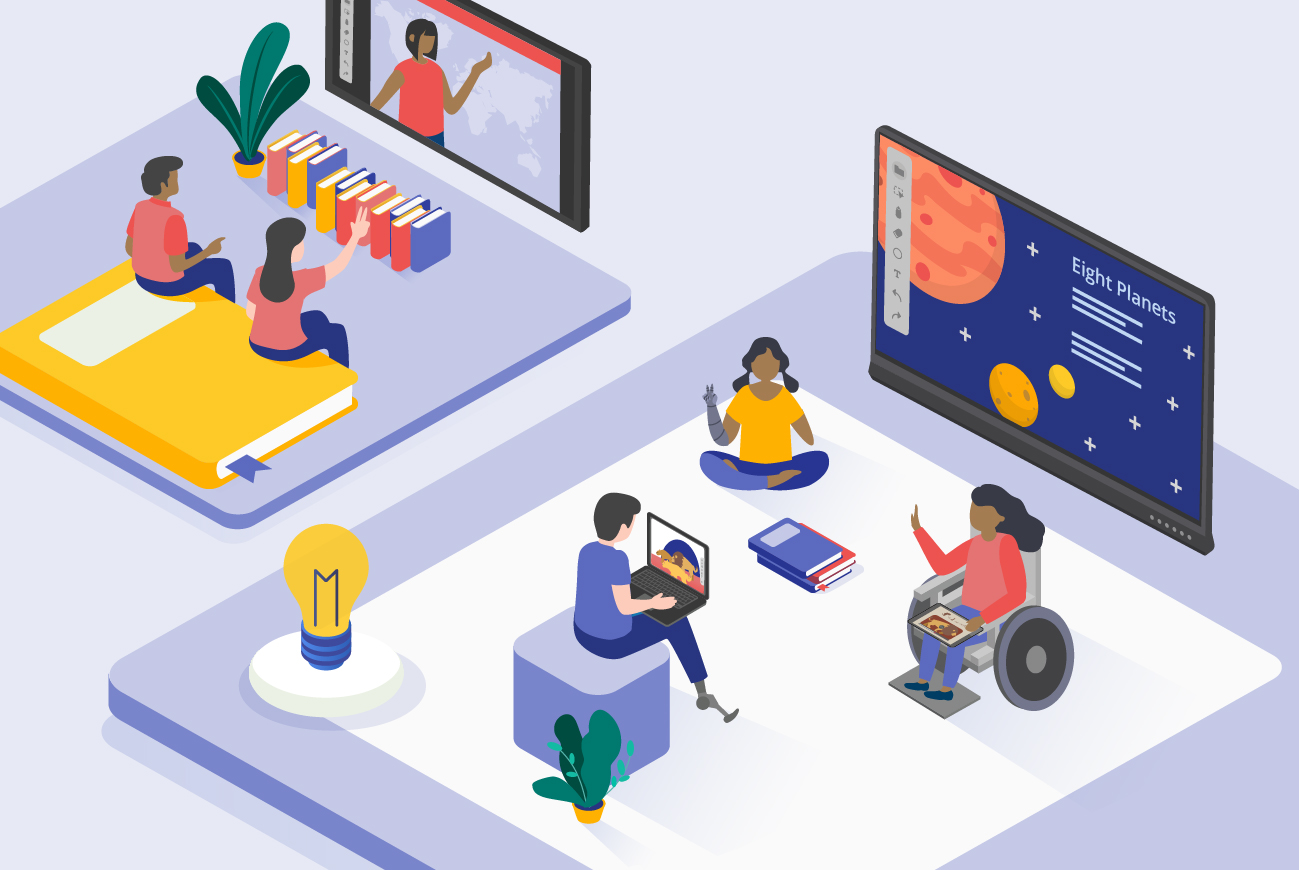
Challenges to Equity in Education
- Access to quality instruction: Students from underserved communities may not have access to skilled teachers or up-to-date resources.
- Bias in assessment: Traditional assessments can be biased against certain groups of students, leading to unfair evaluations.
- Lack of personalized support: Large class sizes and limited teacher time may prevent students from receiving the personalized support they need to succeed.
Intelligent Tutoring Systems (ITSs)
ITSs are computer-based systems that provide personalized instruction and support to learners. They leverage AI, natural language processing, and learning science to:
- Diagnose learner needs: ITSs assess students’ knowledge and skills, identifying areas for improvement.
- Tailor instruction: They adapt content and activities to suit individual learning styles, paces, and needs.
- Provide adaptive feedback: ITSs provide real-time feedback and support, helping learners understand their mistakes and make progress.
- Track progress: They monitor student progress over time, providing data to educators for intervention and support.
Promoting Equity Through ITSs
ITSs can address the challenges to equity in education by:
- Expanding access to quality instruction: ITSs can provide personalized instruction 24/7, regardless of location or socioeconomic status.
- Reducing bias: ITSs can use data-driven assessments that are not influenced by stereotypes or biases.
- Providing personalized support: ITSs offer individualized feedback and support, catering to the unique needs of each learner.
- Empowering teachers: ITSs can free up teachers’ time, allowing them to focus on providing critical support and guidance to students.
Case Studies
- Khan Academy: Khan Academy’s personalized learning platform uses ITSs to provide free, adaptive math and science instruction to students of all ages.
- DreamBox Learning: DreamBox Learning’s ITSs help students develop critical math skills through engaging and adaptive lessons.
- Newsela: Newsela’s ITSs personalize news articles based on student interests and reading levels, promoting equitable access to literacy instruction.
Conclusion
Intelligent Tutoring Systems have the potential to transform education by promoting equity and inclusion. By providing personalized instruction, reducing bias, and providing personalized support, ITSs can help break down barriers and ensure that all students have the opportunity to reach their full potential. As ITSs continue to evolve, it is essential that educators and policymakers prioritize equity in their implementation to create a truly just and equitable educational system for all.## Equity In Education: Inclusive Learning Environments With Intelligent Tutoring Systems
Executive Summary
Intelligent Tutoring Systems (ITSs) have the potential to revolutionize education by providing personalized learning experiences that can help all students succeed. By leveraging advanced artificial intelligence (AI) and machine learning (ML) techniques, ITSs can adapt to each student’s unique needs, providing targeted instruction and support to help them overcome challenges and achieve their full potential. This can lead to improved academic outcomes for all students, particularly those from underserved communities who may have historically faced barriers to educational success.
Introduction
Equity in education is a critical issue that affects students from all backgrounds. Students from low-income families, students of color, and students with disabilities are more likely to experience educational disparities than their peers. These disparities can lead to lower academic achievement, lower college attendance rates, and lower earnings.
FAQs
1. What are the benefits of using ITSs in education?
ITSs can provide a number of benefits for students, including:
- Personalized learning experiences that are tailored to each student’s individual needs
- Targeted instruction and support to help students overcome challenges
- Increased engagement and motivation
- Improved academic outcomes
- Reduced dropout rates
2. How can ITSs be used to promote equity in education?
ITSs can be used to promote equity in education by providing all students with access to the same high-quality learning experiences. This can be done by:
- Providing targeted instruction and support to students from underserved communities
- Reducing bias in educational materials
- Making educational content more accessible for students with disabilities
3. What are the challenges to implementing ITSs in education?
There are a number of challenges to implementing ITSs in education, including:
- Cost
- Complexity
- Data privacy
- Lack of teacher training
Subtopics
Adaptive Learning
Adaptive learning is a type of ITS that uses AI and ML to create personalized learning experiences for each student. Adaptive learning systems track student progress and identify areas where they need additional support. They then provide targeted instruction and practice activities to help students master these concepts.
- Tailored content: Adaptive learning systems can create personalized learning paths for each student, based on their individual needs and learning styles.
- Real-time feedback: Adaptive learning systems provide real-time feedback to students on their progress, so they can identify areas where they need to improve.
- Motivating and engaging: Adaptive learning systems can be motivating and engaging for students, as they offer a personalized and interactive learning experience.
- Improved academic outcomes: Research has shown that adaptive learning systems can lead to improved academic outcomes for students, particularly those from underserved communities.
Virtual Tutors
Virtual tutors are another type of ITS that provides personalized learning experiences for students. Virtual tutors use AI and ML to simulate the experience of having a human tutor. They can answer questions, provide feedback, and guide students through difficult concepts.
- 24/7 access: Virtual tutors are available 24/7, so students can get help whenever they need it.
- Personalized feedback: Virtual tutors can provide personalized feedback to students on their work, so they can identify areas where they need to improve.
- Flexible learning experience: Virtual tutors can be used to supplement traditional instruction or to provide additional support for students who are struggling.
- Reduced anxiety: Virtual tutors can help to reduce anxiety for students who are struggling with a particular concept.
Assistive Technology
Assistive technology is a type of ITS that helps students with disabilities to access and participate in education. Assistive technology can include tools such as screen readers, text-to-speech software, and speech recognition software.
- Improved access: Assistive technology can help students with disabilities to access educational content and participate in classroom activities.
- Increased engagement: Assistive technology can help students with disabilities to become more engaged in their learning.
- Improved academic outcomes: Assistive technology can help students with disabilities to achieve better academic outcomes.
- Reduced frustration: Assistive technology can help to reduce frustration for students with disabilities who are struggling to access educational content.
Universal Design for Learning
Universal design for learning (UDL) is a framework for creating learning environments that are accessible to all students, regardless of their abilities, disabilities, or learning styles. UDL principles include providing multiple representations of information, providing multiple ways to engage with content, and providing multiple ways to express learning.
- Inclusive learning environments: UDL can help to create inclusive learning environments that are welcoming to all students.
- Improved engagement: UDL can help to improve engagement for all students, regardless of their abilities, disabilities, or learning styles.
- Improved academic outcomes: UDL can help to improve academic outcomes for all students, particularly those with disabilities.
- Reduced dropout rates: UDL can help to reduce dropout rates for students with disabilities.
Teacher Training
Teacher training is essential for the successful implementation of ITSs in education. Teachers need to be trained on how to use ITSs effectively and how to integrate them into their instruction. They also need to be trained on how to support students who are using ITSs.
- Effective use of ITSs: Teachers need to be trained on how to use ITSs effectively to support student learning.
- Integration with instruction: Teachers need to be trained on how to integrate ITSs into their instruction in a way that is meaningful and engaging for students.
- Support for students: Teachers need to be trained on how to support students who are using ITSs, including students with disabilities and students from underserved communities.
Conclusion
Equity in education is a critical issue that affects students from all backgrounds. ITSs have the potential to revolutionize education by providing personalized learning experiences that can help all students succeed. By leveraging AI and ML techniques, ITSs can adapt to each student’s unique needs, providing targeted instruction and support to help them overcome challenges and achieve their full potential. This can lead to improved academic outcomes for all students, particularly those from underserved communities who may have historically faced barriers to educational success.
Keyword Tags
- Equity in education
- Intelligent Tutoring Systems
- Adaptive learning
- Virtual tutors
- Assistive technology
- Universal design for learning
- Teacher training