Essential Study Skills for Academic Success
1. Active Reading:
- Engage with the text by highlighting, annotating, and summarizing.
- Actively question the material and connect it to your prior knowledge.
- Use SQ3R (Survey, Question, Read, Recite, Review) to enhance comprehension.
2. Effective Note-Taking:

- Use different note-taking methods (e.g., Cornell, outline, visual maps).
- Organize notes clearly and logically for easy recall.
- Abbreviate and use symbols for conciseness.
3. Time Management:
- Create a realistic study schedule and stick to it.
- Break down large tasks into smaller, manageable chunks.
- Use time-management techniques like the Pomodoro Technique (25 minutes on, 5 minutes off).
4. Active Recall:
- Test yourself regularly on the material you’ve studied.
- Use flashcards, practice questions, or explain concepts to others.
- This forces your brain to retrieve information, improving retention.
5. Spaced Repetition:
- Review material at increasing intervals (e.g., 10 minutes, 1 day, 1 week).
- This helps strengthen memories and prevent forgetting.
6. Elaboration:
- Connect new information to your existing knowledge.
- Ask yourself questions, make analogies, or create examples to deepen your understanding.
7. Retrieval Practice:
- Regularly attempt to recall information without looking at your notes.
- This tests your memory and identifies areas that need further revision.
8. Interleaving:
- Alternate between studying different subjects or topics.
- This helps prevent confusion and improves retention.
9. Peer Study:
- Form study groups with classmates to discuss concepts, quiz each other, and share perspectives.
- Collaboration can enhance understanding and provide support.
10. Sleep and Nutrition:
- Get adequate sleep and maintain a healthy diet.
- Sleep and nutrition are crucial for cognitive function and memory consolidation.
Additional Tips:
- Set realistic goals and don’t try to cram.
- Find a study environment that is conducive to concentration.
- Seek help from professors, tutors, or classmates if needed.
- Reward yourself for your efforts to stay motivated.
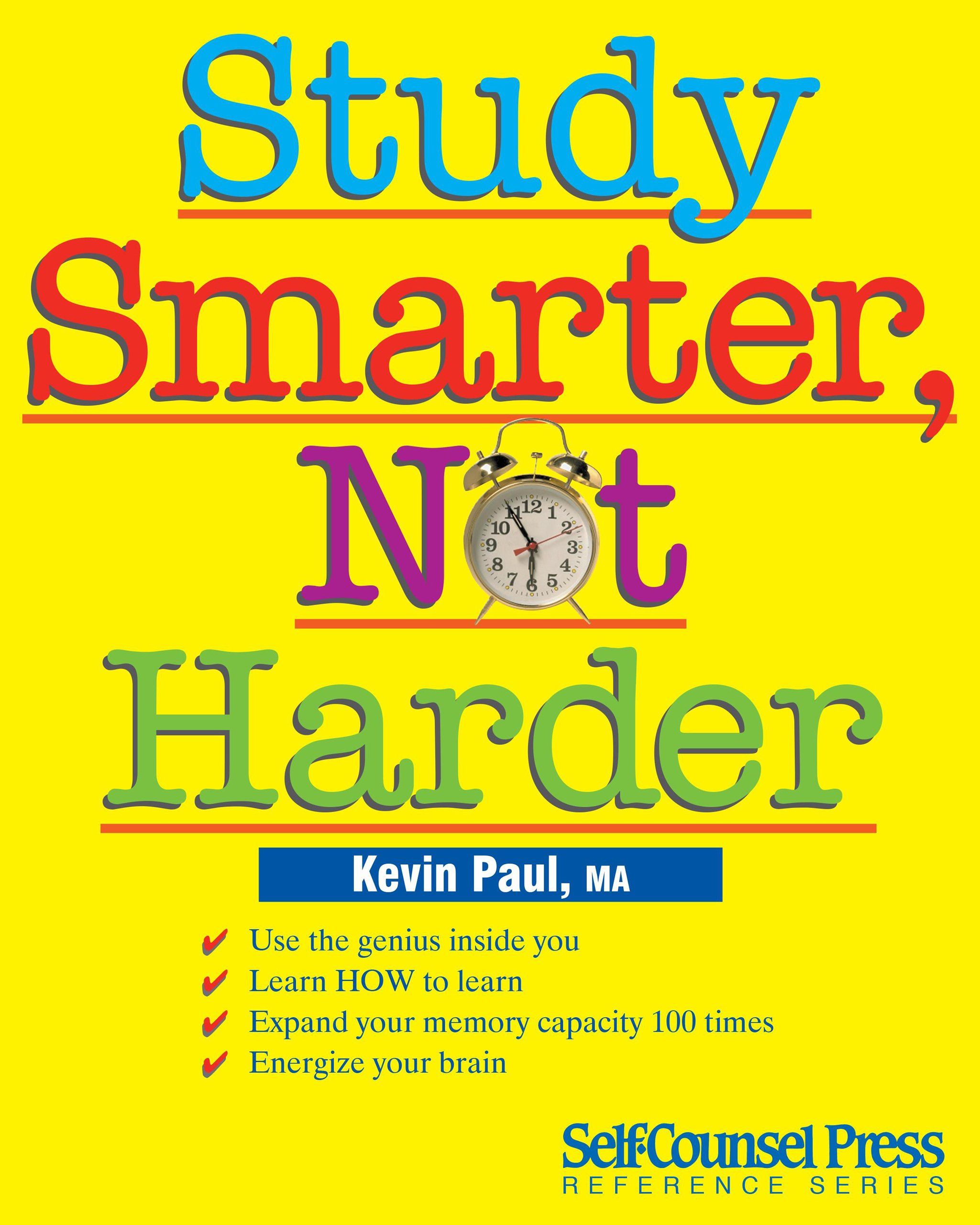
- Remember, studying smarter is not about spending more time, but about using effective techniques to improve efficiency and maximize learning outcomes.## Study Smarter, Not Harder: Essential Study Skills For Academic Success
Executive Summary
This article provides a comprehensive guide to essential study skills for academic success. It covers five key subtopics: time management, active learning, effective reading, note-taking, and critical thinking. By implementing these skills, students can maximize their study time, improve their comprehension, and enhance their overall academic performance.
Introduction
In today’s competitive academic landscape, effective study skills are crucial for students to excel. By adopting a strategic approach to studying, students can optimize their learning process, achieve better grades, and develop long-lasting cognitive abilities. This article will delve into five fundamental study skills that will empower students to “study smarter, not harder” and achieve academic success.
Time Management
Time management is the foundation for effective studying. It involves planning and prioritizing tasks to ensure that study time is used efficiently.
- Plan your schedule: Create a realistic study schedule that allocates specific time slots for different subjects and activities.
- Prioritize tasks: Identify the most important tasks and allocate more time to them. Use a to-do list or planner to keep track of priorities.
- Break down large tasks: Divide large assignments into smaller, manageable chunks to avoid feeling overwhelmed.
- Set realistic deadlines: Establish achievable deadlines for completing tasks to avoid procrastination and stress.
Active Learning
Active learning goes beyond passively reading notes. It involves actively engaging with the material to improve comprehension and retention.
- Participate in class: Attend lectures and actively participate in discussions and Q&A sessions.
- Summarize information: After class, summarize key concepts in your own words to reinforce understanding.
- Create concept maps: Visualize relationships between concepts by creating mind maps or diagrams.
- Teach the material: Explain the material to someone else to test your understanding and identify areas for improvement.
Effective Reading
Effective reading involves extracting key information, understanding the context, and retaining it. It goes beyond simply reading words on a page.
- Preview the text: Before reading, skim the material to get a general overview of the structure and content.
- Identify key concepts: Pay attention to headings, bold text, and highlighted sections to determine the main ideas.
- Annotate the text: Highlight important passages, make notes in the margins, and write down questions.
- Summarize the text: After reading, condense the main points into a concise summary to reinforce comprehension.
Note-Taking
Note-taking is an essential skill for capturing important information during lectures or while reading. It helps organize and recall material for future use.
- Choose the right note-taking method: Experiment with different methods (e.g., Cornell, outline, mind mapping) to find the one that suits your learning style.
- Be selective: Focus on capturing key concepts, ideas, and evidence rather than writing down everything verbatim.
- Review notes regularly: Regularly review your notes to reinforce memory and identify areas that need further study.
- Use visual cues: Incorporate diagrams, charts, and color-coding to make notes more engaging and easier to recall.
Critical Thinking
Critical thinking involves analyzing information, evaluating arguments, and forming your own conclusions. It is essential for making informed decisions and solving problems.
- Question assumptions: Challenge assumptions and biases to ensure that you are not taking anything for granted.
- Analyze arguments: Break down arguments into their premises and conclusions. Identify any logical fallacies or missing information.
- Consider multiple perspectives: Examine an issue from different angles to gain a well-rounded understanding.
- Draw your own conclusions: Based on the evidence and analysis, form your own informed opinions and support them with evidence.
Conclusion
By mastering the essential study skills presented in this article, students can transform their academic journey. Time management, active learning, effective reading, note-taking, and critical thinking empower students to maximize their study time, improve their comprehension, and develop lifelong cognitive abilities. By embracing a strategic and proactive approach to studying, students can unlock their full academic potential and achieve remarkable success.
Keyword Tags
- Study Skills
- Time Management
- Active Learning
- Effective Reading
- Note-Taking
- Critical Thinking