Unveiling the Connection Between Sleep and Time Management
Sleep is an essential component for optimal physical, mental, and emotional well-being. It plays a crucial role in time management by influencing our cognitive abilities, decision-making skills, and overall productivity.

Sleep and Cognitive Function

- Improved Focus and Concentration: Sleep helps to consolidate memories and improve attention span, making it easier to focus on tasks and resist distractions.
- Enhanced Decision-Making: When sleep-deprived, we tend to make more impulsive and less rational decisions. Proper sleep restores cognitive functions, leading to better judgment.
- Increased Creativity: Sleep can stimulate the subconscious mind, triggering new ideas and innovative solutions.
Sleep and Time Management
- Better Time Estimation: Sleep improves our ability to estimate time accurately, allowing us to plan and schedule effectively.
- Reduced Procrastination: Sufficient sleep reduces fatigue and increases willpower, helping us to overcome the tendency to delay tasks.
- Improved Task Prioritization: When well-rested, we can better prioritize tasks and focus on the most important ones, maximizing our productivity.
How Sleep Impacts Time Management
- Cognitive Impairment: Sleep deprivation can impair cognitive function, making it harder to manage time effectively.
- Increased Errors: Lack of sleep can lead to errors and mistakes, slowing down progress and wasting time.
- Reduced Motivation: Sleepiness can decrease motivation and enthusiasm, making it difficult to stay focused and productive.
- Poor Decision-Making: Sleep loss can impair judgment, leading to poor time management choices.
Optimizing Sleep for Time Management
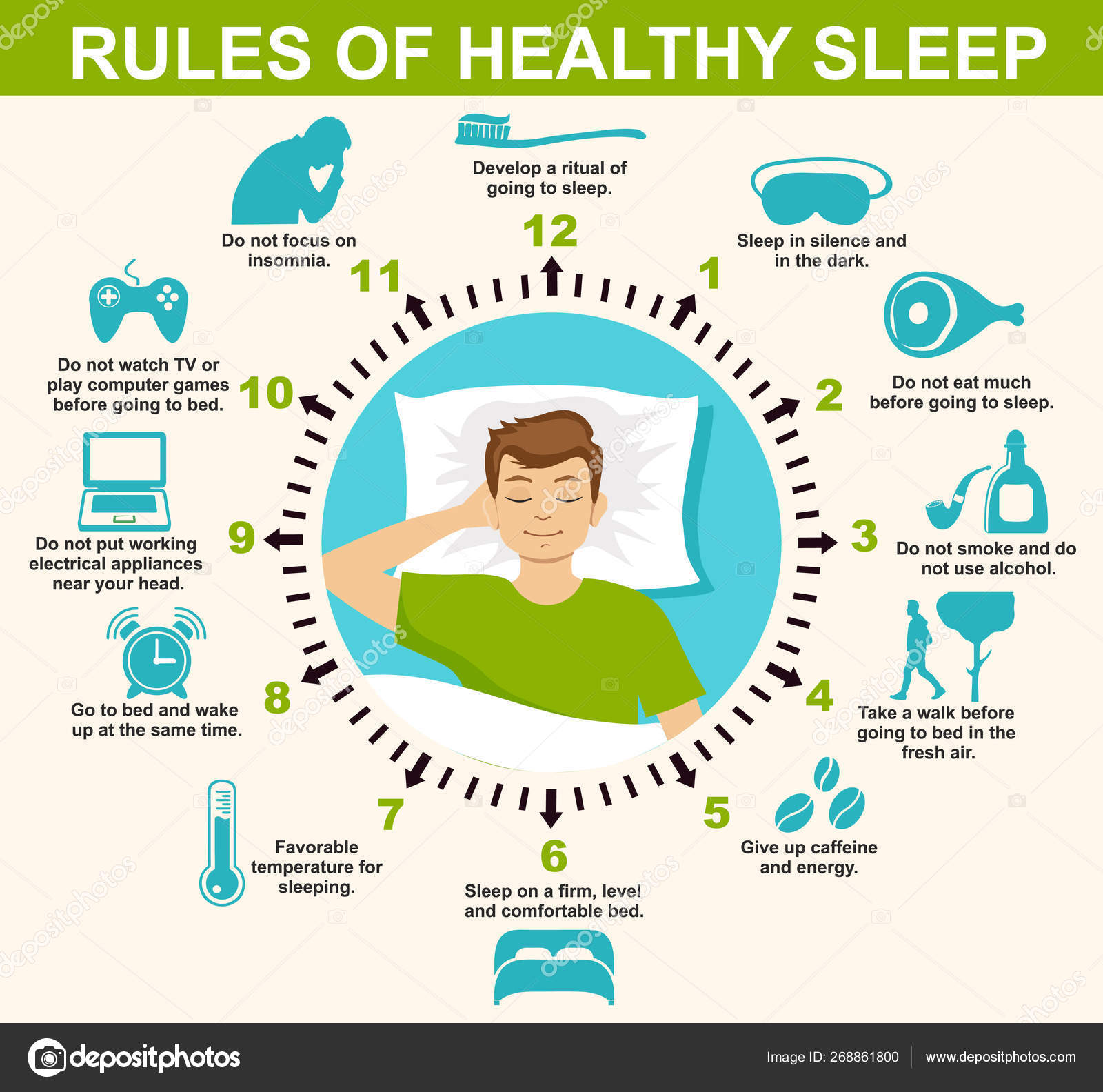
- Establish a Regular Sleep Schedule: Go to bed and wake up around the same time each day, even on weekends.
- Create a Relaxing Bedtime Routine: Wind down before bed with activities like reading or taking a warm bath.
- Optimize Your Sleep Environment: Make sure your bedroom is dark, quiet, and cool.
- Get Adequate Sleep: Aim for 7-9 hours of quality sleep each night.
- Avoid Caffeine and Alcohol Before Bed: These substances can disrupt sleep patterns.
Conclusion
Sleep and time management are inextricably linked. By prioritizing sleep and optimizing our sleep habits, we can significantly enhance our cognitive abilities, decision-making skills, and overall productivity. By “sleeping our way to success,” we can unlock our full potential and achieve our time management goals.## Sleep Your Way To Success: Unveiling The Connection Between Sleep And Time Management
Executive Summary
In today’s fast-paced world, achieving success often requires effective time management. While many focus on external strategies, the importance of sleep as a crucial factor for successful time management is often overlooked. This article delves into the profound connection between sleep and time management, highlighting the scientific evidence and practical applications to optimize both sleep and productivity.
Introduction
Sleep is an essential physiological process that plays a vital role in various aspects of our physical, mental, and emotional well-being. When we sleep, our bodies undergo restorative processes that repair tissues, restore energy levels, and consolidate memories. Emerging research has consistently demonstrated a strong correlation between sleep and time management, suggesting that optimizing sleep can significantly enhance our ability to manage time effectively.
FAQs
Can lack of sleep affect time management? Yes, sleep deprivation can impair cognitive function, making it difficult to focus, make decisions, and prioritize tasks. It can also lead to increased procrastination and difficulty sticking to schedules.
How much sleep is enough for effective time management? Most adults require around 7-9 hours of sleep per night for optimal cognitive performance. However, individual sleep needs may vary.
How can I improve my sleep to enhance time management? Establishing a regular sleep-wake cycle, creating a relaxing bedtime routine, and ensuring a conducive sleep environment can promote better sleep.
The Five Pillars of Sleep and Time Management
1. Enhanced Cognitive Function
- Improved focus and concentration: Sleep deprivation disrupts attention and concentration, making it harder to stay on task and complete tasks efficiently.
- Sharpened decision-making: Sleep helps consolidate memories and improve neural connections, facilitating better decision-making and problem-solving.
- Increased productivity: Adequate sleep boosts energy levels and reduces fatigue, enabling us to be more productive and achieve more in less time.
2. Reduced Procrastination
- Improved self-discipline: Sleep strengthens willpower and self-control, making it easier to resist distractions and prioritize important tasks.
- Increased motivation: Sleep replenishes our motivation and drive, reducing the likelihood of putting off tasks or engaging in unproductive activities.
- Enhanced time perception: Adequate sleep improves our perception of time, making us less likely to underestimate the time needed for tasks and avoid procrastination.
3. Optimized Prioritization
- Improved decision-making: Sleep facilitates better judgment and decision-making, enabling us to prioritize tasks effectively and allocate time wisely.
- Increased goal setting: Sleep helps us set realistic goals and create a clear plan of action, reducing the likelihood of feeling overwhelmed or disorganized.
- Enhanced task management: Adequate sleep supports the ability to break down tasks into smaller, manageable chunks and allocate appropriate time to each task.
4. Increased Creativity and Innovation
- Enhanced problem-solving: Sleep stimulates creativity and problem-solving abilities, allowing us to generate innovative solutions and overcome obstacles more effectively.
- Improved brainstorming: Time spent sleeping allows the subconscious mind to process information and generate new ideas, leading to more productive brainstorming sessions.
- Increased adaptability: Sleep promotes flexibility and adaptability, enabling us to adjust our schedules and respond to unexpected changes more efficiently.
5. Reduced Stress and Anxiety
- Improved emotional regulation: Sleep deprivation can exacerbate stress and anxiety, making it harder to stay calm under pressure and manage time effectively.
- Enhanced coping mechanisms: Adequate sleep builds resilience and improves our ability to cope with stress, reducing the likelihood of time-wasting behaviors such as avoidance or over-scheduling.
- Increased relaxation: Sleep promotes relaxation and reduces tension, making it easier to disconnect from work and engage in restful activities that promote better time management.
Conclusion
The connection between sleep and time management is profound. By prioritizing sleep, individuals can unlock a wealth of cognitive, emotional, and behavioral benefits that directly enhance their ability to manage time effectively. By understanding and implementing the principles outlined in this article, you can transform your sleep habits and empower yourself to achieve unprecedented levels of success in all aspects of life.
Keyword Tags:
- Sleep Optimization
- Time Management
- Cognitive Function
- Procrastination Reduction
- Stress Management