
Supportive Family and Community: A Foundation for Academic Achievement
A nurturing and supportive family and community environment plays a crucial role in fostering academic success. Positive relationships, access to resources, and a sense of belonging contribute significantly to students’ overall well-being, motivation, and educational attainment.
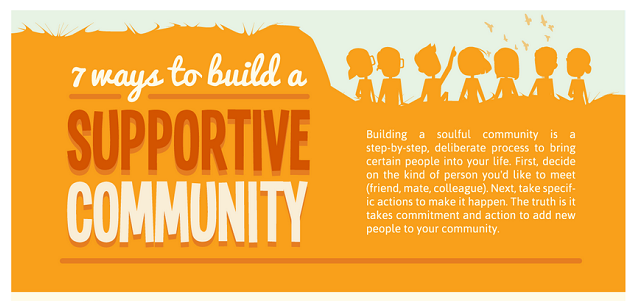
The Significance of Family Support

- Emotional Support: Families provide a safe and loving space where students feel valued and encouraged. They offer emotional encouragement, boost students’ self-esteem, and help them cope with challenges.
- Academic Guidance: Parents and guardians can offer practical support with homework, provide access to learning resources, and encourage students to set academic goals.
- Role Modeling: Parents who value education demonstrate the importance of learning and inspire students to strive for excellence.
The Impact of Community Involvement
- Mentorship and Tutoring: Community organizations can connect students with mentors and tutors who provide guidance, academic support, and positive role models.
- Extracurricular Activities: Extracurricular activities offered by community centers or schools enhance students’ social, emotional, and intellectual development.
- Resource Access: Communities with strong infrastructure provide access to libraries, after-school programs, and other resources that support student learning.
How Families and Communities Can Support Academic Success
- Engage with Children’s Education: Regularly communicate with teachers, attend school events, and encourage students to discuss their studies at home.
- Foster a Positive Learning Environment: Create a dedicated study space, provide access to learning materials, and limit distractions during study time.
- Celebrate Successes: Acknowledge students’ achievements, no matter how small, to build their confidence and motivation.
- Encourage Community Involvement: Participate in school activities, volunteer for after-school programs, and support community organizations that provide educational opportunities.
Benefits of a Supportive Environment
- Improved Academic Performance: Students with supportive families and communities tend to earn higher grades, have better attendance, and engage more actively in learning.
- Increased Motivation: A positive and encouraging environment fosters a sense of belonging and purpose, motivating students to pursue their academic goals.
- Reduced Risk of Dropout: Students who feel supported are more likely to stay in school and graduate.
- Improved Social and Emotional Development: Supportive relationships promote students’ self-esteem, empathy, and communication skills, essential for overall well-being.
In conclusion, a supportive family and community environment is an indispensable resource for academic success. By nurturing positive relationships, providing access to resources, and fostering a sense of belonging, families and communities can empower students to reach their full academic potential and thrive in their pursuit of knowledge.## Supportive Family And Community: A Key Resource For Academic Success
Executive Summary
A supportive family and community are essential for academic success. Research has shown that students who have strong relationships with their families and are involved in their communities are more likely to succeed in school. They are more likely to have higher grades, better attendance, and more positive attitudes towards school.
Introduction
The family is the most important influence on a child’s development. Parents and siblings provide love, support, and guidance that help children learn and grow. They also help children develop the social and emotional skills they need to succeed in school.
The community also plays a vital role in a child’s academic success. Schools, churches, and community centers provide opportunities for children to learn and grow. They also provide support for families and help to create a positive learning environment.
FAQs
What are some of the benefits of having a supportive family and community?
- Students with supportive families are more likely to have higher grades and better attendance.
- They are also more likely to have positive attitudes towards school and are more likely to graduate from high school.
- Students who are involved in their communities are more likely to develop leadership skills and are more likely to be involved in extracurricular activities
What can families do to support their children’s academic success?
- Create a positive learning environment at home. This means providing a quiet place to study, helping your children with their homework, and encouraging them to read.
- Be involved in your children’s education. Attend school events, talk to your children’s teachers, and volunteer in your children’s classrooms.
- Set high expectations for your children. Let your children know that you believe in them and that you expect them to succeed.
What can communities do to support student academic success?
- Invest in early childhood education. Research shows that high-quality early childhood education can help children develop the skills they need to succeed in school.
- Provide after-school programs and activities. These programs can provide children with opportunities to learn and grow in a safe and supervised environment.
- Create partnerships between schools and community organizations. These partnerships can help to provide support for students and families and help to create a positive learning environment.
Top 5 Subtopics
1. Parental Involvement
Parental involvement is one of the most important factors in a child’s academic success. Parents who are involved in their children’s education are more likely to have children who succeed in school.
- Attend school events. Show your children that you are interested in their education by attending school events such as parent-teacher conferences, open houses, and sporting events.
- Talk to your children’s teachers. Get to know your children’s teachers and talk to them about your children’s progress. Ask questions about your children’s strengths and weaknesses and discuss ways to help them improve.
2. Family Structure
Family structure can also play a role in a child’s academic success. Children who live in two-parent homes are more likely to succeed in school than children who live in single-parent homes.
- Provide a stable home. Children need a stable home environment in order to succeed in school. This means providing a safe and supportive environment where they can learn and grow.
- Set clear rules and expectations. Children need to know what is expected of them in order to succeed in school. Parents should set clear rules and expectations and enforce them consistently.
3. Family Environment
Family environment can also impact a child’s academic success. Children who live in families that are characterized by love, support, and encouragement are more likely to succeed in school than children who live in families that are characterized by conflict and stress.
- Create a positive learning environment. This means providing a quiet place to study, helping your children with their homework, and encouraging them to read.
- Be involved in your children’s lives. Spend time with your children and talk to them about their day. Show them that you care about them and that you are interested in their lives.
4. Community Involvement
Community involvement can also play a role in a child’s academic success. Children who are involved in their communities are more likely to succeed in school than children who are not involved in their communities.
- Get involved in your child’s school. Volunteer in your child’s classroom, attend school events, and support your child’s teachers.
- Get involved in your community. Volunteer at local organizations, attend community events, and support local businesses.
5. Peer Support
Peer support can also play a role in a child’s academic success. Children who have friends who are supportive and encouraging are more likely to succeed in school than children who do not have friends who are supportive and encouraging.
- Encourage your child to make friends. Help your child to develop social skills and make friends. Encourage them to join clubs, sports teams, and other activities.
- Monitor your child’s friends. Make sure that your child’s friends are positive and supportive. Talk to your child about their friends and let them know that you are concerned if they are spending time with friends who are not supportive.
Conclusion
A supportive family and community are essential for academic success. Research has shown that students who have strong relationships with their families and are involved in their communities are more likely to succeed in school. They are more likely to have higher grades, better attendance, and more positive attitudes towards school.
Families and communities can support student academic success by:
- Creating a positive learning environment
- Being involved in their children’s education
- Setting high expectations
- Investing in early childhood education
- Providing after-school programs and activities
- Creating partnerships between schools and community organizations
By working together, families and communities can help to ensure that all students have the opportunity to succeed in school.
Relevant Keyword Tags
- Academic success
- Family support
- Community involvement
- Parental involvement
- Peer support