Creating a Study Plan that Empowers Success
1. Establish Clear Goals:
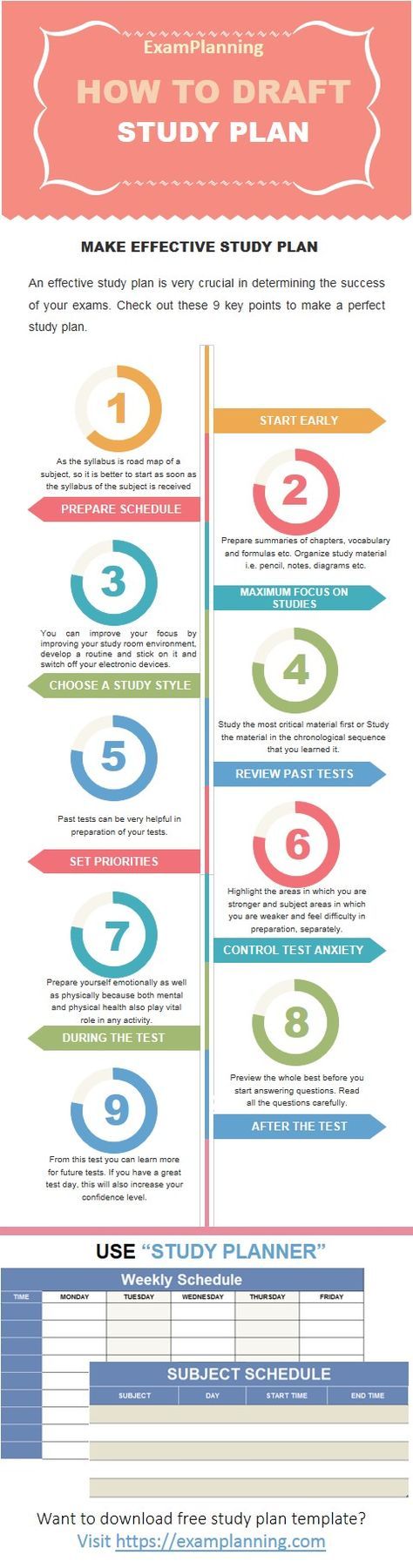
- Define your academic objectives and goals.
- Determine the specific topics or concepts you need to master.
- Set realistic and achievable targets for each study session.
2. Assess Your Current Knowledge:
- Take self-assessments or quizzes to identify areas where you need improvement.
- Consider past performances or assignments to gauge your strengths and weaknesses.
3. Plan Your Time Effectively:
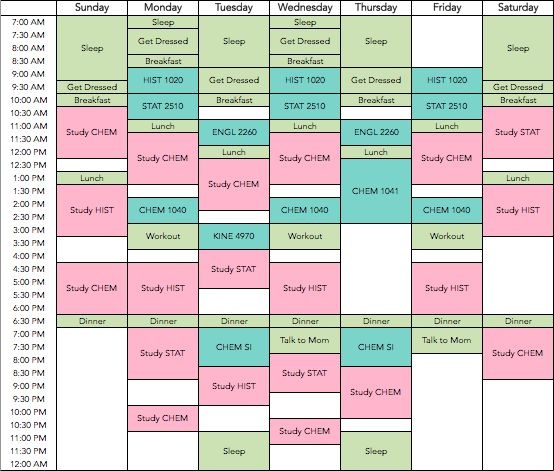
- Create a feasible study schedule that fits into your daily routine.
- Break down large chunks of material into smaller, manageable segments.
- Allocate specific time slots for each subject or topic.
4. Choose the Right Study Environment:
- Determine the location where you can focus best.
- Eliminate distractions such as noise, clutter, or interruptions.
- Ensure your environment is comfortable and conducive to learning.
5. Use Active Learning Techniques:
- Engage in activities that promote understanding and retention, such as:
- Reading and highlighting
- Taking notes and summaries
- Practicing problems or examples
- Discussing ideas with peers or a tutor
6. Spaced Repetition:
- Review the material regularly to facilitate long-term retention.
- Use flashcards, spaced retrieval techniques, or spaced review apps to enhance recall.
7. Seek Support When Needed:
- Don’t hesitate to reach out for help from professors, TAs, or classmates.
- Attend review sessions or office hours for clarification or additional support.
8. Reward Yourself:
- Set small rewards for completing study sessions or achieving milestones.
- This can provide motivation and a sense of accomplishment.
9. Track Your Progress:
- Monitor your progress regularly to identify areas for improvement.
- Adjust your study plan as needed based on your performance and feedback.
10. Consistency is Key:
- Adhere to your study schedule as much as possible.
- Consistency will help you stay on track and avoid cramming before exams.
Additional Tips:
- Start studying early to avoid last-minute pressure.
- Prioritize challenging topics over easier ones.
- Use color-coding or visual aids to enhance memorization.
- Take breaks during long study sessions to prevent burnout.
- Get enough sleep and maintain a healthy lifestyle to support your cognitive functions.How To Create A Study Plan That Works For You
Executive Summary
Developing an effective study plan is crucial for academic success. This comprehensive guide provides a step-by-step framework to craft a personalized study plan that caters to your specific learning style and academic goals. By following the strategies outlined here, you can optimize your study time, enhance your focus, and achieve your desired academic outcomes.
Introduction
Effective studying requires a structured approach that aligns with your individual strengths and weaknesses. Creating a study plan allows you to prioritize tasks, allocate time efficiently, and minimize distractions. This comprehensive guide will empower you with the tools and techniques to develop a study plan that maximizes your academic potential.
FAQs
1. When is the best time to start creating a study plan?
Start planning as early as possible, ideally at the beginning of the semester. This allows you ample time to adjust and refine your plan as needed.
2. How often should I revise my study plan?
Regularly review your plan and make adjustments based on your progress and any changes in your schedule or workload.
3. How do I stay motivated while following my study plan?
Set realistic goals, reward yourself for milestones achieved, and find a study environment that minimizes distractions and promotes focus.
Top 5 Subtopics
Prioritize Tasks
- Identify High-priority Assignments: Determine which tasks are most important and require the most attention.
- Allocate Time Accordingly: Schedule more time for complex or challenging assignments.
- Break Down Large Assignments: Divide extensive projects into smaller, manageable chunks to avoid feeling overwhelmed.
Allocate Time Efficiently
- Create a Schedule: Establish specific study times and stick to them as much as possible.
- Use a Planner: Mark important deadlines, assignments, and study sessions in a physical or digital planner.
- Minimize Distractions: Identify and eliminate potential distractions during designated study time.
Enhance Focus
- Establish a Dedicated Study Space: Create a specific study area free from distractions and conducive to concentration.
- Use Active Learning Techniques: Engage in activities that encourage active participation, such as writing notes, solving practice problems, or discussing concepts with peers.
- Take Breaks: Schedule short breaks throughout your study sessions to prevent burnout and maintain focus.
Optimize Learning
- Review Regularly: Dedicate time to reviewing previously studied material to reinforce concepts and improve retention.
- Use Study Aids: Utilize flashcards, summaries, or concept maps to aid in memorization and recall.
- Seek Feedback: Regularly seek feedback from professors, tutors, or peers to identify areas for improvement.
Track Progress and Make Adjustments
- Set Realistic Goals: Establish achievable goals for each study session and celebrate your accomplishments.
- Monitor Your Progress: Regularly track your progress, identifying areas where you may be falling behind or excelling.
- Make Adjustments: Based on your progress, adjust your study plan to address areas of concern or capitalize on your strengths.
Conclusion
Creating an effective study plan is an essential component of academic success. By implementing the strategies outlined in this guide, you can develop a personalized plan that maximizes your study time, enhances your focus, and optimizes your learning. Remember to regularly review and adjust your plan as needed to ensure its continued effectiveness. With dedication and a commitment to your academic goals, you can create a study plan that empowers you to achieve your full academic potential.
Keyword Tags
- Study Plan
- Prioritize Tasks
- Allocate Time
- Enhance Focus
- Optimize Learning