The Importance of Taking Breaks for Effective Information Retention
In the pursuit of knowledge, it is often assumed that the more time spent studying, the better the results will be. However, recent research suggests that taking regular breaks can actually enhance information retention and improve overall cognitive function.
The Science Behind Breaks

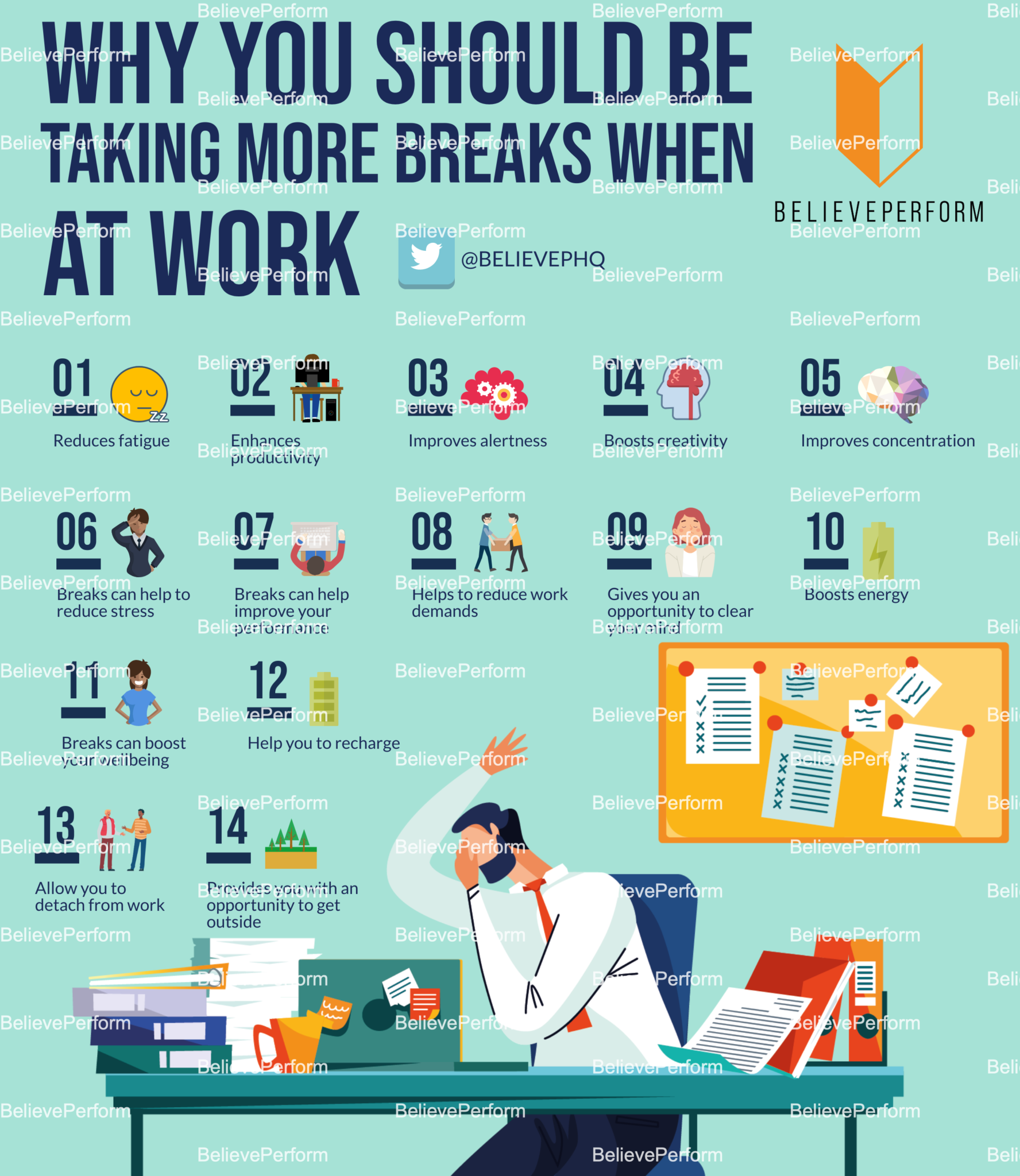
- Improved Memory Consolidation: During breaks, the brain’s hippocampus, responsible for memory formation, has an opportunity to solidify and strengthen newly learned information.
- Reduced Cognitive Fatigue: Continuous study can lead to cognitive overload, impairing focus and the ability to process and retain information effectively. Breaks provide respite, allowing the brain to reset and return to optimal performance.
- Enhanced Attention and Concentration: Short breaks can improve attention span and alertness, enabling better focus and engagement during subsequent study sessions.
- Improved Creativity and Problem-Solving: Stepping away from the material allows the subconscious mind to make connections and generate novel ideas. Breaks can foster creativity and facilitate problem-solving abilities.
Recommended Break Practices
- Short and Regular Breaks: Take short breaks of 5-10 minutes every 25-30 minutes of study.
- Active Breaks: Engage in activities that involve movement or stimulate different senses, such as stretching, walking, or listening to music.
- Complete Breaks: Allow your mind to completely disconnect from the study material. Engage in unrelated activities like socializing, reading for pleasure, or exercising.
- Avoid Distracting Breaks: Ensure that breaks are not spent on social media or other distracting activities that can hinder cognitive recovery.
Benefits of Taking Breaks
- Enhanced Retention: Taking breaks helps to improve the long-term retention of studied material.
- Reduced Burnout: Regular breaks prevent cognitive fatigue and promote overall well-being.
- Increased Productivity: Breaks enhance attention and focus, leading to more efficient study sessions.
- Improved Overall Learning Outcomes: By incorporating breaks into study routines, learners can maximize their cognitive capacity and optimize their learning experiences.
Conclusion
Taking regular breaks is not a luxury but a necessity for effective information retention. By providing the brain with opportunities to consolidate, recover, and refresh, breaks promote better memory, reduce cognitive fatigue, and enhance overall learning outcomes. Implementing strategic break practices into study routines can significantly improve the quality and effectiveness of the learning process.## The Importance Of Taking Breaks For Retaining Information Effectively
Executive Summary
Taking breaks while studying or working can significantly enhance information retention and overall cognitive performance. This article explores the benefits of breaks, their optimal duration and frequency, and practical strategies for implementing breaks into your daily routine. By incorporating regular breaks into your learning and work sessions, you can maximize your productivity, improve memory, and achieve better results.
Introduction
Information retention is crucial for academic and professional success. However, prolonged periods of focused attention can lead to cognitive fatigue, diminishing our ability to absorb and retain new information. Taking breaks provides much-needed respite, allowing our brains to rest and consolidate memories.
FAQs
1. Why are breaks essential for information retention?
- Breaks allow the brain to process and store new information, improving memory consolidation.
- They help reduce cognitive fatigue, maintaining optimal focus and attention.
- Breaks provide an opportunity for reflection and reinforcement of concepts.
2. How often and for how long should I take breaks?
- Aim for 5-10 minute breaks every 30-60 minutes of focused work or study.
- Adjust the duration and frequency based on individual needs and task complexity.
- Longer breaks (20-30 minutes) may be beneficial for more demanding tasks.
3. How can I make the most of my breaks?
- Step away from your work and engage in activities that refresh your mind.
- Avoid checking emails or social media, as these can be distracting.
- Take a walk, listen to music, or have a healthy snack to recharge your energy levels.
Key Subtopics
1. Cognitive Fatigue
- Prolonged mental exertion can lead to reduced attention span, impaired memory, and difficulty concentrating.
- Taking breaks replenishes cognitive resources, allowing you to return to your task refreshed and focused.
- Early signs of cognitive fatigue include difficulty remembering information, increased distractions, and decreased motivation.
2. Memory Consolidation
- Breaks provide time for the brain to transfer short-term memories into long-term storage.
- During breaks, the brain reviews and organizes information, strengthening memory traces.
- Taking breaks at spaced intervals promotes better memory retention compared to continuous study sessions.
3. Improved Focus and Attention
- Breaks help maintain optimal levels of alertness and concentration.
- By preventing cognitive overload, breaks allow you to sustain focused attention for extended periods.
- Taking breaks can improve task performance and productivity by reducing distractions and increasing motivation.
4. Stress Reduction
- Mental strain can hinder information retention and cognitive function.
- Breaks provide an opportunity to de-stress and reduce anxiety levels.
- Relaxing and engaging in enjoyable activities during breaks can enhance overall well-being and promote better learning outcomes.
5. Creative Inspiration
- Breaks can stimulate creativity and problem-solving abilities.
- Stepping away from your work allows your mind to wander and make new connections.
- Taking breaks can foster innovative thinking and generate fresh ideas for your projects.
Conclusion
Taking breaks is not a sign of procrastination but rather a crucial strategy for enhancing information retention and overall cognitive performance. By incorporating regular breaks into your study or work routines, you can improve your memory, maintain focus, reduce stress, and boost your creativity. Remember, a well-rested mind is a productive mind, capable of achieving exceptional results.
Keyword Tags
- Information Retention
- Breaks
- Cognitive Fatigue
- Memory Consolidation
- Productivity