Self-Directed Learning with Intelligent Tutoring Systems: Empowering Students for the Future
Introduction
In the rapidly evolving landscape of education, it is imperative that students develop the skills necessary to navigate the complexities of the future. Self-directed learning, where students take ownership of their learning journey, is a crucial component of this preparation. Intelligent Tutoring Systems (ITSs) can empower students by providing personalized guidance and support, enabling them to become successful self-directed learners.

Benefits of Self-Directed Learning
- Increased Motivation: Students actively engage with the learning material, setting their own goals and taking responsibility for their progress.
- Improved Critical Thinking: Students analyze, evaluate, and apply information independently, fostering critical thinking and problem-solving abilities.
- Enhanced Collaboration: Students connect with peers and experts to share ideas, learn from different perspectives, and collaborate on projects.
- Development of Metacognition: Students develop an understanding of their own learning process, enabling them to reflect on their strengths, weaknesses, and learning strategies.
- Preparation for the Future: Self-directed learning skills are essential for lifelong learning in a rapidly changing society and job market.
Intelligent Tutoring Systems (ITSs)
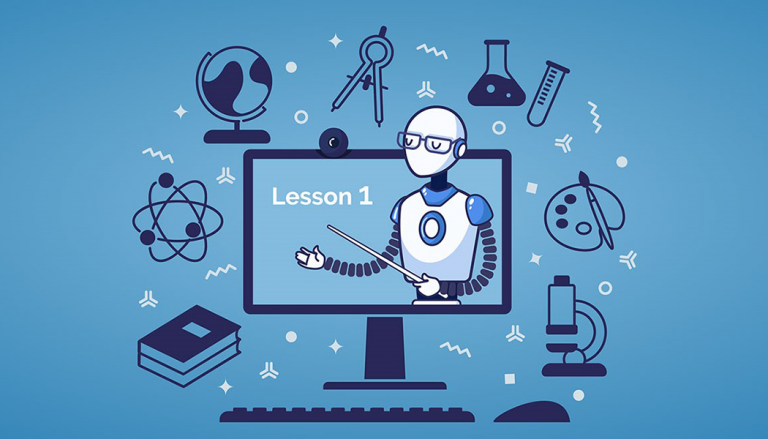
ITSs are computer-based learning environments that provide students with personalized, interactive instruction. They use artificial intelligence (AI) to track student progress, identify areas of need, and adjust the learning content accordingly.
Features of ITSs:
- Personalized Learning: Tailors content to each student’s individual needs, pace, and learning style.
- Adaptive Feedback: Provides immediate feedback on student responses, helping them identify errors and adjust their understanding.
- Virtual Assistant: Offers guidance and support throughout the learning process, answering questions and providing resources.
- Gamification: Motivates students by incorporating game-like elements, such as points, rewards, and challenges.
- Analytics and Reporting: Provides educators with insights into student performance, allowing them to monitor progress and intervene when necessary.
How ITSs Support Self-Directed Learning
- Goal Setting: ITSs help students define learning goals, monitor their progress, and adjust their strategies as needed.
- Self-Assessment: Students can evaluate their own understanding and identify areas for improvement through quizzes, assessments, and feedback.
- Adaptive Learning: ITSs adapt the learning content to each student’s progress, ensuring they are consistently challenged and supported.
- Peer Collaboration: ITSs facilitate communication between students, enabling them to share ideas, ask questions, and provide support to each other.
- Metacognitive Development: ITSs include features that prompt students to reflect on their learning process, promoting metacognition and self-regulation.
Conclusion
Self-directed learning with the support of Intelligent Tutoring Systems is a powerful approach to prepare students for the future. By empowering students to take ownership of their learning, ITSs foster critical thinking, self-awareness, and collaboration skills. As educators, it is our responsibility to integrate these technologies into our classrooms, equipping students with the necessary tools to succeed in the ever-evolving world that lies ahead.## Preparing Students For The Future: Self-directed Learning With Intelligent Tutoring Systems
Executive Summary
As the world becomes more complex and the amount of information available continues to grow, it is more critical than ever to prepare students with the skills to learn independently. Self-directed learning is the ability to identify and pursue learning goals, a skill that can be fostered through the use of intelligent tutoring systems (ITSs).
Self-directed learning in ITSs allows students to take ownership of their learning. ITSs can provide students with personalized feedback and support, helping them to identify areas where they need additional support and develop strategies for improvement.
This article will explore the benefits of self-directed learning in ITSs and provide tips for implementing ITSs in the classroom to help prepare students for the future.
Introduction
As the world becomes increasingly complex, it has been established that the ability to learn independently is a critical skill for students. Self-directed learning allows students to take ownership of their education and develop the skills they need to succeed in college, career, and life.
One of the most effective ways to promote self-directed learning is through the use of intelligent tutoring systems (ITSs). ITSs are computer-based programs that provide students with personalized feedback and support.
Benefits of Self-directed Learning in ITSs
There are many benefits to using ITSs to promote self-directed learning. These include:
- Increased student engagement: ITSs can help students to become more engaged in their learning by providing them with immediate feedback and support. This can lead to increased motivation and improved learning outcomes.
- Personalized learning: ITSs can be tailored to each student’s individual needs. This means that students can learn at their own pace and focus on the areas where they need the most support.
- Improved critical thinking skills: ITSs can help students develop critical thinking skills by providing them with opportunities to practice solving problems and making decisions.
- Increased self-confidence: ITSs can help students develop self-confidence by providing them with positive reinforcement and support. This can lead to a greater willingness to take risks and try new things.
- Preparation for the future: ITSs can help students develop the skills they need to succeed in college, career, and life. These skills include self-directed learning, critical thinking, and problem-solving.
FAQs
1. What is an Intelligent Tutoring System (ITS)?
An ITS is a computer-based program that provides students with personalized feedback and support. ITSs use artificial intelligence to adapt to each student’s individual needs and learning style.
2. How can ITSs be used to promote self-directed learning?
ITSs can be used to promote self-directed learning by providing students with immediate feedback and support. This helps students to identify areas where they need additional support and develop strategies for improvement.
3. What are the benefits of using ITSs to promote self-directed learning?
The benefits of using ITSs to promote self-directed learning include increased student engagement, personalized learning, improved critical thinking skills, increased self-confidence, and preparation for the future.
Key Subtopics of Self-Directed Learning in ITSs
Intelligent tutoring systems can be used to promote self-directed learning in a number of ways. Key subtopics include:
1. Adaptive Learning
- Allows students to learn at their own pace and focus on the areas where they need the most support.
- Provides students with personalized feedback and support.
- Helps students to develop critical thinking skills.
2. Personalized Learning Paths
- Allows students to create their own learning paths based on their interests and goals.
- Provides students with access to a variety of learning resources.
- Helps students to stay motivated and engaged in their learning.
3. Self-Assessment Tools
- Allows students to assess their own progress and identify areas where they need additional support.
- Provides students with feedback on their strengths and weaknesses.
- Helps students to develop self-confidence and metacognitive skills.
4. Goal Setting and Tracking
- Allows students to set their own learning goals and track their progress.
- Provides students with motivation and support.
- Helps students to develop a sense of ownership over their learning.
5. Collaboration and Communication
- Allows students to collaborate with each other and with the instructor.
- Provides students with opportunities to share ideas and learn from others.
- Helps students to develop communication and teamwork skills.
Conclusion
Self-directed learning will be an essential skill for students in the future. As the world becomes more complex and the amount of information available continues to grow, students will need to be able to identify and pursue learning goals independently. ITSs can be a valuable tool for promoting self-directed learning in the classroom. By providing students with personalized feedback and support, ITSs can help them develop the skills they need to succeed in college, career, and life.
Keyword Tags
- self-directed learning
- intelligent tutoring systems
- personalized learning
- critical thinking skills
- problem solving