Introduction:
Exercise, traditionally viewed as a separate entity from academics, has emerged as a potent catalyst for cognitive improvement. A plethora of scientific evidence unravels the profound impact exercise wields on academic performance, particularly for students. This article delves into the mechanisms underlying this connection, offering insights to empower students in leveraging the transformative power of exercise for academic success.

Enhanced Brain Function:
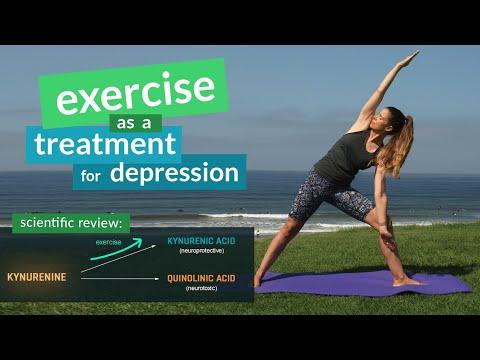
Physical activity stimulates the release of neurotransmitters such as endorphins, dopamine, and serotonin, which enhance mood, reduce stress, and improve focus. These neurochemicals optimize brain function, facilitating:
- Improved memory: Exercise promotes the growth of new neurons and connections in the hippocampus, a brain region crucial for memory formation.
- Increased attention and concentration: By reducing distractions and enhancing the ability to sustain focus, exercise empowers students to stay engaged in academic tasks.
- Enhanced problem-solving skills: The cognitive flexibility developed through physical activity enables students to approach problems from diverse perspectives, improving their ability to analyze and solve complex tasks.
Improved Sleep Quality:
Exercise improves sleep quality, a critical factor in academic performance. Physical activity regulates sleep-wake cycles, promoting deeper sleep and reducing restlessness. This leads to:
- Increased alertness in class: Students who get a good night’s sleep are better able to pay attention, retain information, and perform well on assessments.
- Improved memory consolidation: Sleep is essential for consolidating memories. Regular exercise helps students solidify what they have learned during the day, enhancing their ability to recall and apply knowledge.
Stress Reduction:
Exercise is an effective stress reliever. It releases endorphins, which have mood-boosting effects. Moreover, exercise reduces levels of cortisol, a hormone that impairs cognitive function under stress. This stress reduction:
- Improves mental clarity: Stress can cloud judgment and make it difficult to concentrate. By mitigating stress, exercise enhances students’ ability to approach academic challenges with a clear mind.
- Increases motivation: Stress can sap motivation. Exercise helps students stay motivated and engaged in their studies by providing a positive and refreshing outlet.
Practical Tips:
- Incorporate regular exercise into your schedule: Aim for at least 30 minutes of moderate-intensity exercise most days of the week.
- Choose activities you enjoy: Finding an exercise that you find pleasurable will increase the likelihood that you will stick with it.
- Exercise with friends or classmates: Social support can make exercise more enjoyable and motivating.
- Listen to your body: Rest when you need to, and don’t push yourself too hard.
- Combine exercise with study time: Use walking or cycling as a way to review class material or work through problems.
Conclusion:
The scientific evidence overwhelmingly demonstrates the profound impact exercise has on academic performance. By enhancing brain function, improving sleep quality, reducing stress, and increasing motivation, exercise empowers students to reach their academic potential. Embracing the transformative power of exercise as an integral part of their academic journey can unlock doors to exceptional performance, improved well-being, and lifelong success.## The Science Behind Exercise And Academic Performance: Insights For Students
Executive Summary
Balancing exercise and academic responsibilities can be challenging, but research consistently shows that physical activity can significantly enhance cognitive function and academic performance. This article delves into the scientific evidence linking exercise to improved academic outcomes, providing actionable insights for students to optimize their physical and mental well-being.
Introduction
In today’s competitive academic landscape, students face immense pressure to excel. While academic pursuits often take precedence, maintaining a healthy balance with physical activity is crucial for overall well-being and success. This article explores the compelling scientific evidence that demonstrates the multifaceted benefits of exercise on academic performance.
FAQs
Q1: How does exercise benefit cognitive function?
Q2: What are the specific academic improvements associated with exercise?
Q3: How much exercise is recommended for academic enhancement?
Physical Benefits
1. Enhanced Brain Health
- Increased blood flow to the brain, providing more oxygen and nutrients to fuel cognitive functions.
- Neurogenesis, the formation of new brain cells, which supports learning and memory.
- Improved synaptic plasticity, strengthening connections between neurons, crucial for cognitive flexibility and problem-solving.
2. Reduced Stress and Anxiety
- Exercise releases endorphins, which have mood-boosting effects.
- Reduces levels of stress hormones such as cortisol, which can impair cognitive function.
- Enhances sleep quality, improving alertness and cognitive abilities.
3. Improved Physical Fitness
- Increased cardiovascular health, providing more energy and endurance for studying and extracurricular activities.
- Stronger muscles and joints, supporting better posture and reducing physical discomfort.
- Enhanced coordination and balance, facilitating activities requiring focus and precision.
Cognitive Benefits
4. Increased Attention and Concentration
- Exercise improves executive function, which governs attention, focus, and working memory.
- Enhances the ability to block out distractions and sustain attention for longer periods.
- Improves reaction time and decision-making skills.
5. Enhanced Memory and Learning
- Exercise stimulates the release of growth factors that promote neurogenesis and strengthen neuronal connections.
- Improves memory consolidation, the process of encoding and storing new information.
- Facilitates the retrieval and recall of information, enhancing academic performance.
Recommendations
6. Exercise Intensity and Duration
- Moderate-intensity exercise for at least 30 minutes on most days of the week.
- Incorporate activities that raise the heart rate, such as brisk walking, cycling, or swimming.
7. Exercise Frequency and Timing
- Regular exercise, even in short bursts throughout the day, is beneficial.
- Exercise in the morning can provide an energy boost and improve focus, while exercise in the evening can relieve stress and promote better sleep.
8. Types of Exercise
- Choose activities that are enjoyable and sustainable.
- Include a mix of cardiovascular, strength training, and flexibility exercises for comprehensive benefits.
Conclusion
The scientific evidence overwhelmingly supports the positive impact of exercise on academic performance. By incorporating regular physical activity into their routines, students can enhance their cognitive function, improve their mental and physical well-being, and ultimately achieve greater academic success. It is time for students to embrace the power of exercise as a vital component of their educational journey.
Keywords
- Exercise and Academic Performance
- Cognitive Benefits of Exercise
- Attention and Concentration
- Memory and Learning
- Physical and Mental Well-being