Benefits of Mindfulness Meditation for Stress Management
Mindfulness meditation has gained significant popularity as an effective tool for stress management. By cultivating present moment awareness, mindfulness techniques can help individuals reduce stress levels and improve overall well-being.
Physiological Benefits:

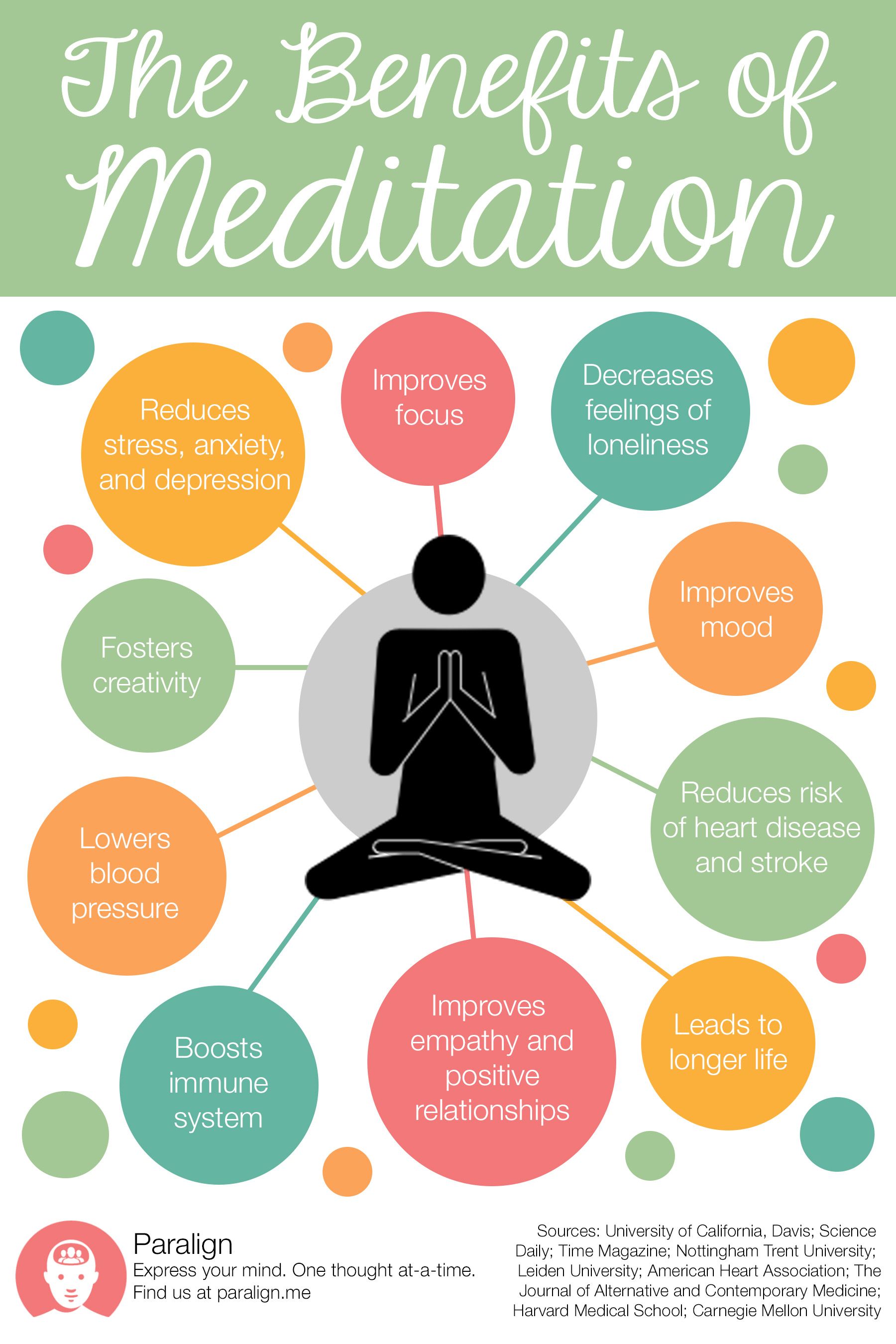
- Reduces cortisol levels: Cortisol is a stress hormone released by the body. Mindfulness meditation has been shown to lower cortisol levels, promoting relaxation and reducing stress responses.
- Enhances cardiovascular health: Mindfulness practices have been associated with lower blood pressure, improved heart rate variability, and reduced risk of cardiovascular disease.
- Strengthens the immune system: By reducing stress, mindfulness meditation can boost the immune system, making individuals more resilient to physical ailments.
Psychological Benefits:
- Reduces anxiety and depression: Mindfulness meditation techniques cultivate self-awareness and non-judgmental acceptance, which can help alleviate symptoms of anxiety and depression.
- Improves emotional regulation: Mindfulness practices teach individuals to observe their emotions objectively, allowing them to manage difficult emotions more effectively.
- Enhances cognitive function: Mindfulness meditation has been linked to improved attention, focus, and memory. It can also help reduce mental chatter and rumination, which contribute to stress.
Everyday Benefits:
- Improves sleep quality: Mindfulness meditation practices, such as body scan meditation and sleep-focused meditation, can help individuals relax and promote deep sleep.
- Increases empathy and compassion: By cultivating present moment awareness, mindfulness meditation fosters empathy and compassion towards oneself and others.
- Enhances resilience to stress: Regular mindfulness practice can help individuals develop coping mechanisms for stressful situations, reducing the impact of stress on their well-being.
How to Practice Mindfulness Meditation:
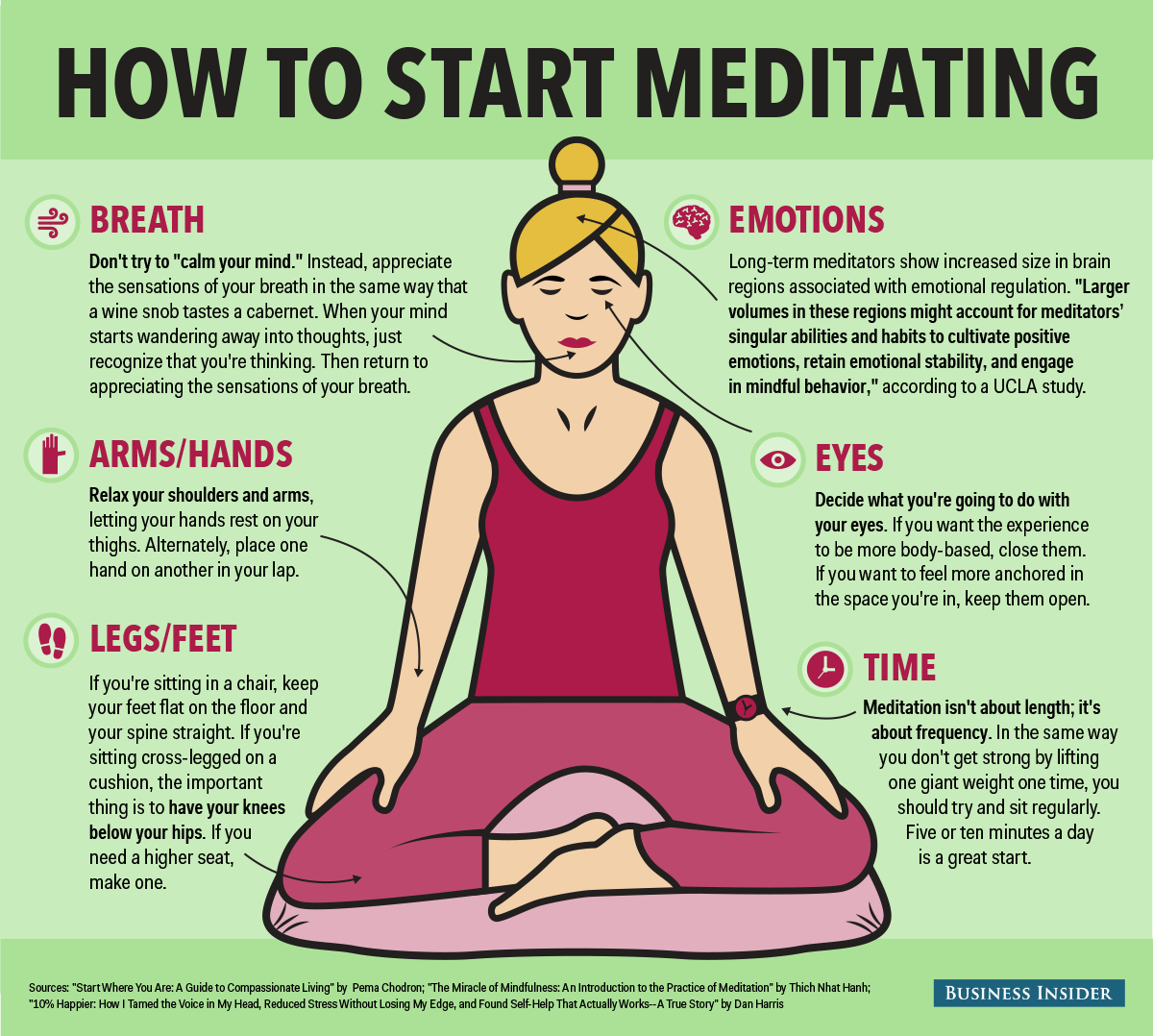
- Start gradually: Begin with short sessions of 5-10 minutes and gradually increase duration as you become more comfortable.
- Find a quiet space: Choose a secluded spot where you won’t be disturbed.
- Focus on your breath: Observe your breath as it enters and exits your body. Notice the rise and fall of your abdomen or chest.
- Bring the mind back to the present: When your mind wanders, gently bring it back to your breath or another chosen object of focus.
- Be kind to yourself: Don’t judge your thoughts or feelings. Simply observe them without judgment.
- Practice regularly: Consistency is key to gaining the benefits of mindfulness meditation. Aim to practice for a minimum of 10-15 minutes daily.
Tips for Beginners:
- Use guided meditations: Guided meditations can be helpful for beginners, as they provide verbal instructions and support.
- Join a meditation group: Connecting with others who are also practicing mindfulness can provide motivation and support.
- Experiment with different practices: There are various mindfulness techniques, such as body scan meditation, walking meditation, and mantra meditation. Experiment with different practices to find what works best for you.
- Be patient: Developing a mindfulness practice takes time and effort. Be patient with yourself and keep practicing consistently.
Incorporating mindfulness meditation into your routine can be a powerful tool for reducing stress, improving well-being, and cultivating a more balanced and fulfilling life.## The Benefits Of Mindfulness Meditation For Stress Management
Executive Summary
Mindfulness meditation is a practice that can help you focus on the present moment and train your mind to be more aware. It has been shown to have many benefits for stress management, including:
- Reduced stress levels
- Improved focus and concentration
- Increased relaxation
- Improved sleep quality
- Increased sense of well-being
Introduction
Stress is a normal part of life, but too much stress can take a toll on our physical and mental health. Mindfulness meditation is a simple and effective way to manage stress and improve our overall well-being.
FAQ
- What is mindfulness meditation?
Mindfulness meditation is a practice that involves paying attention to the present moment without judgment. It can be done in a variety of ways, such as sitting meditation, walking meditation, or body scan meditation. - How do I start practicing mindfulness meditation?
There are many resources available to help you learn how to practice mindfulness meditation. You can find books, articles, and even apps that can guide you through the process. - How often should I practice mindfulness meditation?
The benefits of mindfulness meditation increase the more you practice. Aim to practice for at least 10 minutes each day.
Subtopic 1: Reduced Stress Levels
Stress is a major problem in our society, and it can lead to a variety of health problems. Mindfulness meditation has been shown to be effective in reducing stress levels.
- How mindfulness meditation reduces stress: Mindfulness meditation helps to reduce stress by calming the mind and body. It also helps to increase awareness of the present moment, which can help to prevent us from getting caught up in stressful thoughts.
- Studies showing the benefits of mindfulness meditation for stress reduction: There have been a number of studies that have shown the benefits of mindfulness meditation for stress reduction. One study found that mindfulness meditation reduced stress levels by 39%. Another study found that mindfulness meditation was more effective than stress management education in reducing stress levels.
Subtopic 2: Improved Focus and Concentration
Mindfulness meditation can also help to improve focus and concentration. This is because mindfulness meditation helps to train the mind to be more aware and present.
- How mindfulness meditation improves focus and concentration: Mindfulness meditation helps to improve focus and concentration by teaching us to pay attention to the present moment without judgment. This helps to reduce distractions and improve our ability to stay focused on the task at hand.
- Studies showing the benefits of mindfulness meditation for improved focus and concentration: A number of studies have shown the benefits of mindfulness meditation for improved focus and concentration. One study found that mindfulness meditation improved attention and reduced mind wandering. Another study found that mindfulness meditation improved working memory and cognitive flexibility.
Subtopic 3: Increased Relaxation
Mindfulness meditation can also help to increase relaxation. This is because mindfulness meditation helps to calm the mind and body. It also helps to reduce stress and anxiety.
- How mindfulness meditation increases relaxation: Mindfulness meditation increases relaxation by teaching us to be more aware of our thoughts and feelings. This helps us to let go of stress and anxiety and to relax into the present moment.
- Studies showing the benefits of mindfulness meditation for increased relaxation: A number of studies have shown the benefits of mindfulness meditation for increased relaxation. One study found that mindfulness meditation reduced muscle tension and heart rate. Another study found that mindfulness meditation improved sleep quality.
Subtopic 4: Improved Sleep Quality
Mindfulness meditation can also help to improve sleep quality. This is because mindfulness meditation helps to reduce stress and anxiety, which can lead to insomnia. Mindfulness meditation can also help to improve focus and concentration, which can make it easier to fall asleep and stay asleep.
- How mindfulness meditation improves sleep quality: Mindfulness meditation improves sleep quality by calming the mind and body. It also helps to reduce stress and anxiety, which can lead to insomnia. Mindfulness meditation can also help to improve focus and concentration, which can make it easier to fall asleep and stay asleep.
- Studies showing the benefits of mindfulness meditation for improved sleep quality: A number of studies have shown the benefits of mindfulness meditation for improved sleep quality. One study found that mindfulness meditation improved sleep quality in people with insomnia. Another study found that mindfulness meditation improved sleep quality in people with chronic pain.
Subtopic 5: Increased Sense of Well-being
Mindfulness meditation can also help to increase our sense of well-being. This is because mindfulness meditation helps us to be more aware of our thoughts and feelings. It also helps us to accept ourselves and others more fully.
- How mindfulness meditation increases our sense of well-being: Mindfulness meditation increases our sense of well-being by teaching us to be more aware of our thoughts and feelings. This helps us to accept ourselves and others more fully. Mindfulness meditation also helps to reduce stress and anxiety, which can lead to a greater sense of well-being.
- Studies showing the benefits of mindfulness meditation for increased sense of well-being: A number of studies have shown the benefits of mindfulness meditation for increased sense of well-being. One study found that mindfulness meditation improved mood and reduced symptoms of depression. Another study found that mindfulness meditation improved self-esteem and reduced symptoms of anxiety.
Conclusion
Mindfulness meditation is a simple and effective way to manage stress and improve our overall well-being. It has been shown to reduce stress levels, improve focus and concentration, increase relaxation, improve sleep quality, and increase our sense of well-being. If you are looking for a way to manage stress and improve your overall health, mindfulness meditation is a great option.
Relevant Keyword Tags
- Mindfulness meditation
- Stress management
- Reduced stress
- Improved focus
- Increased relaxation
- Improved sleep quality
- Increased sense of well-being