The Science Behind Habit Formation
Habit formation is a complex process that involves multiple brain regions and neurochemicals. When we repeat a behavior over and over again, the brain creates a neural pathway that makes it easier to perform that behavior in the future. This process is known as neuroplasticity.

The key to forming new habits is to make them as easy as possible to perform. This means starting with small, manageable steps and gradually increasing the difficulty as you get stronger. It also means finding a way to make the habit enjoyable, so that you’re more likely to stick with it.
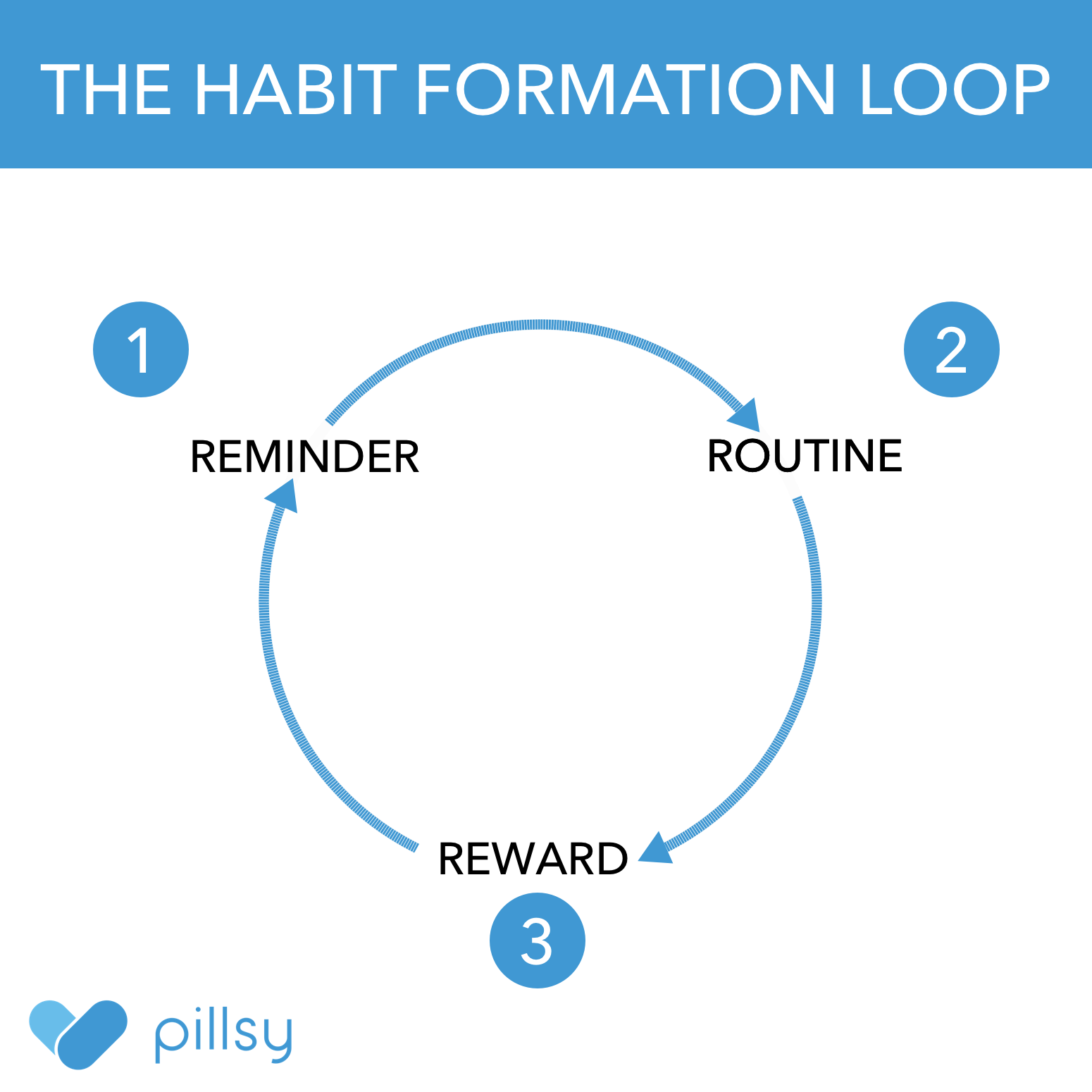
Once a habit is formed, it becomes automatic. This means that you can perform the behavior without thinking about it. This is why habits are so powerful – they can help us to achieve our goals even when we don’t feel like it.
The Science Behind Productivity
Productivity is the ability to get things done. It’s a complex trait that is influenced by a variety of factors, including genetics, personality, and environment.
There is no one-size-fits-all solution to productivity. However, there are some general principles that can help you to be more productive. These principles include:
- Setting goals. When you have a clear goal in mind, you’re more likely to stay motivated and focused.
- Breaking down tasks. Large tasks can be overwhelming. Break them down into smaller, more manageable steps to make them seem less daunting.
- Prioritizing tasks. Decide which tasks are most important and focus on those first.
- Taking breaks. It’s important to take breaks throughout the day to avoid burnout. Get up and move around, or step away from your desk for a few minutes to clear your head.
- Rewarding yourself. When you achieve a goal, reward yourself to stay motivated.
How to Use the Science of Habit Formation and Productivity to Improve Your Life
The science of habit formation and productivity can be used to improve your life in a number of ways. Here are a few tips:
- Start small. When you’re trying to form a new habit, don’t try to do too much too soon. Start with a small, achievable goal and gradually increase the difficulty as you get stronger.
- Make it enjoyable. Find a way to make your new habit enjoyable, so that you’re more likely to stick with it. This could mean listening to music while you exercise, or reading a book while you eat breakfast.
- Be consistent. The key to forming a new habit is to be consistent. Make time for your new habit every day, even if it’s just for a few minutes.
- Don’t give up. It takes time to form a new habit. Don’t get discouraged if you slip up occasionally. Just pick yourself up and keep going.
The science of habit formation and productivity can be a powerful tool for improving your life. By understanding how these principles work, you can create new habits that will help you to achieve your goals and live a more productive life.## The Science Behind Habit Formation And Productivity
Executive Summary
Habits are automated behaviors that can significantly impact our productivity and overall well-being. Understanding the science behind habit formation empowers us to create and break habits effectively, leading to increased efficiency, improved focus, and enhanced personal growth.
Introduction
In today’s fast-paced world, productivity is paramount. Habits play a crucial role in shaping our daily routine and determining our success in various aspects of life. By comprehending the neurobiological mechanisms underlying habit formation, we can harness their power to optimize our productivity and achieve our goals.
FAQs
1. What is the role of the brain in habit formation?
2. How can we create new habits effectively?
3. What are the challenges in breaking old habits?
Subtopics
1. The Neural Basis of Habits
- Hippocampus: Responsible for memory formation and encoding new behaviors.
- Striatum: Associated with reward processing and motivation.
- Prefrontal Cortex: Involved in decision-making and habit-breaking.
2. Creating New Habits
- Identify a desired behavior: Define the specific habit you want to establish.
- Establish a clear cue: Trigger that initiates the desired behavior.
- Provide a reward: Reinforce the habit with something pleasurable.
- Repetition and consistency: Consistent repetition strengthens neural pathways and automates the behavior.
3. Breaking Old Habits
- Identify the habit: Determine the specific behavior you want to eliminate.
- Avoid triggers: Eliminate or minimize exposure to cues that trigger the habit.
- Replace with new behaviors: Introduce alternative behaviors to substitute the old habit.
- Self-monitoring and accountability: Track your progress and seek support from others.
4. The Power of Habit Stacking
- Combine new habits: Pair a new habit with an existing, well-established habit.
- Leverage existing routines: Incorporate new habits into your daily schedule, such as waking up earlier or exercising after work.
- Build momentum: Starting with small, manageable habits builds motivation and momentum for larger changes.
5. Technology and Habit Formation
- Tracking apps: Use apps to monitor progress, set reminders, and provide accountability.
- Habit-forming games: Engage in gamified experiences that encourage positive behaviors.
- Social support platforms: Connect with others pursuing similar goals for motivation and support.
Conclusion
Harnessing the power of habit formation can transform our lives by automating positive behaviors, improving productivity, and enhancing our overall well-being. By understanding the science behind habits, we can create and break habits strategically, paving the way for lasting success and personal growth.
Keyword Tags
- Habit Formation
- Productivity
- Neuroscience
- Behavioral Change
- Habit Stacking