
The Science of Sleep: How Proper Rest Drives Time Management Success
Proper sleep is crucial for overall health and well-being, playing a significant role in time management success. Understanding the science behind sleep and its impact on cognitive function and productivity can empower individuals to optimize their sleep habits for better time utilization.
The Circadian Rhythm and Sleep-Wake Cycle
Our bodies operate on a circadian rhythm, an internal 24-hour clock that regulates sleep-wake patterns. This rhythm is influenced by light and darkness, as well as various hormones. When the body is exposed to light, the hormone cortisol is released, promoting alertness. As the day progresses, cortisol levels decline, and melatonin, the sleep hormone, increases, signaling the body to prepare for sleep.
The Stages of Sleep
Sleep occurs in cycles, each consisting of different stages:
- Non-Rapid Eye Movement (NREM): This stage accounts for around 75-85% of total sleep. It is divided into three sub-stages: light, medium, and deep sleep. During NREM, brain activity slows down, and muscle activity decreases.
- Rapid Eye Movement (REM): This stage is characterized by rapid eye movements and increased brain activity. REM sleep is associated with dreaming and memory consolidation.
The Benefits of Proper Sleep for Time Management
- Enhanced Cognitive Function: Adequate sleep improves attention, concentration, decision-making, and problem-solving abilities, all essential for effective time management.
- Increased Productivity: Well-rested individuals exhibit higher levels of productivity and efficiency, completing tasks more quickly and accurately.
- Better Mood and Energy Levels: Sleep deprivation can lead to fatigue, irritability, and difficulty staying focused. Proper sleep replenishes energy levels and improves mood, supporting optimal time management.
- Improved Self-Regulation: Sleep deprivation can impair self-regulation, making it harder to control impulses and stay organized. Proper sleep enhances self-control and promotes discipline in time management.
How to Optimize Sleep for Time Management Success
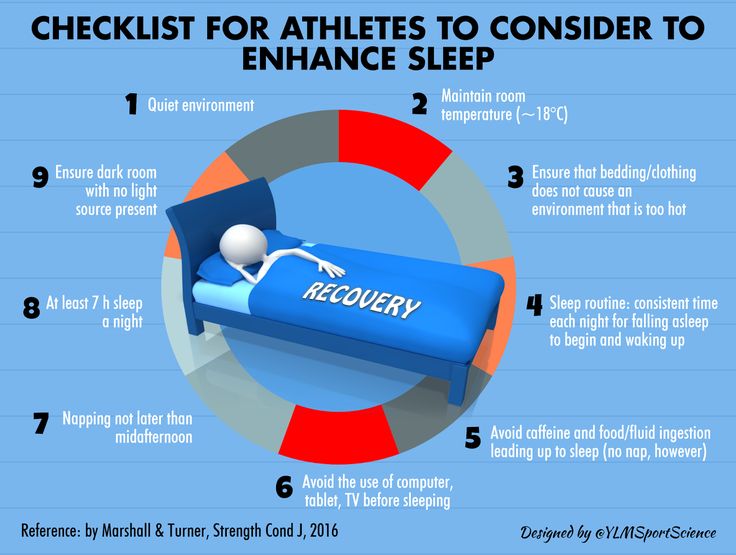
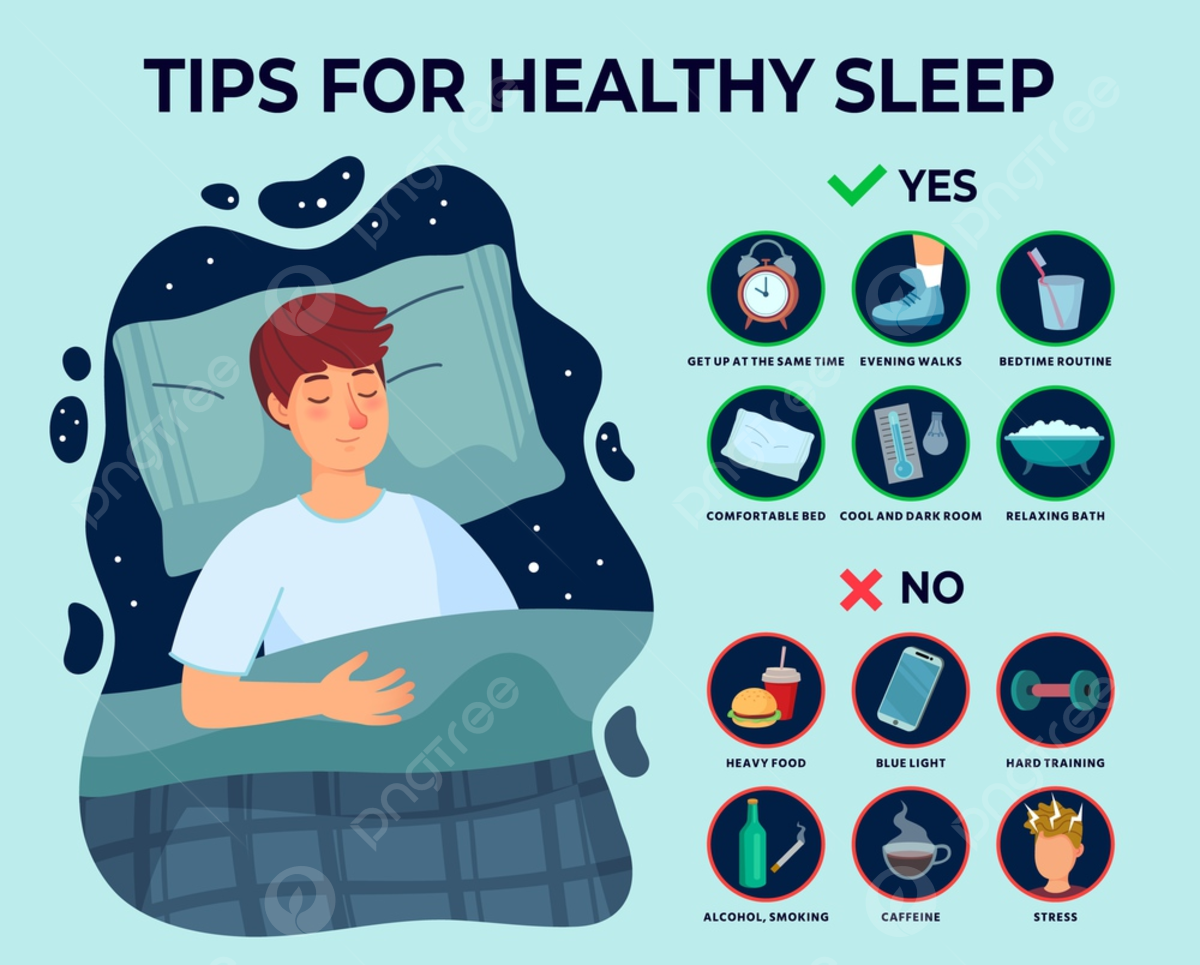
- Establish a Regular Sleep-Wake Cycle: Go to bed and wake up around the same time each day, even on weekends.
- Create a Conducive Sleep Environment: Ensure your bedroom is dark, quiet, and cool. Use blackout curtains, earplugs, or a white noise machine to minimize distractions.
- Limit Caffeine and Alcohol Before Bed: These substances can interfere with sleep quality.
- Engage in Relaxing Activities Before Bed: Take a warm bath, read a book, or listen to calming music to prepare your body for sleep.
- Avoid Screen Time Before Bed: The blue light emitted from electronic devices can suppress melatonin production.
- Get Enough Sunlight During the Day: Exposure to sunlight helps regulate the circadian rhythm and promotes alertness.
- Consider a Sleep Study: If you consistently experience sleep problems, consult a doctor who may recommend a sleep study to diagnose and treat any underlying disorders.
Conclusion
Proper sleep is not a luxury but a necessity for effective time management. By understanding the science behind sleep and implementing strategies to optimize sleep, individuals can unlock the benefits of enhanced cognitive function, increased productivity, improved mood, and better self-regulation. Prioritizing sleep is an investment in time management success, enabling individuals to make the most of their days and achieve their goals.## The Science of Sleep: How Proper Rest Drives Time Management Success
Executive Summary
Sleep plays a crucial role in optimizing time management. By understanding the science behind sleep and implementing effective sleep hygiene practices, individuals can enhance their productivity, focus, and overall well-being. This article explores the intricate mechanisms of sleep and its profound impact on time management, providing actionable insights for maximizing efficiency and achieving greater success.
Introduction
In today’s fast-paced world, time management has become paramount for maximizing productivity and achieving personal and professional goals. However, many individuals overlook the critical role of sleep in enhancing their time management abilities. This article delves into the science of sleep and its profound impact on cognitive function, decision-making, and overall performance, empowering readers to harness the transformative power of restful slumber for time management success.
FAQs
Why is sleep important for time management?
Sleep is essential for various cognitive processes that underpin time management effectiveness, including attention, focus, decision-making, and memory consolidation. When sleep is compromised, these cognitive functions are impaired, leading to poor time management and diminished performance.How much sleep do I need for optimal time management?
The recommended amount of sleep for adults is 7-9 hours per night. However, individual sleep needs may vary, so it’s important to determine your own optimal sleep duration by monitoring your energy levels, mood, and cognitive performance.How can I improve my sleep quality?
Adopting good sleep hygiene practices can improve sleep quality and duration. These practices include establishing a regular sleep-wake schedule, creating a conducive sleep environment, engaging in relaxation techniques before bed, and avoiding caffeine and alcohol in the hours leading up to sleep.
Subtopics
Circadian Rhythm
The circadian rhythm is an internal biological clock that regulates the body’s sleep-wake cycle. It is primarily influenced by exposure to sunlight and darkness.
- Proper alignment: Maintaining a consistent sleep-wake schedule, even on weekends, ensures circadian rhythm alignment and promotes restful sleep.
- Sunlight exposure: Exposure to sunlight during the day helps regulate the circadian rhythm and promotes alertness.
- Darkness at night: A dark and quiet sleep environment facilitates melatonin production, a hormone that promotes sleepiness.
- Avoid blue light: Blue light emitted from electronic devices can disrupt melatonin production, making it harder to fall asleep.
Sleep Stages
Sleep is divided into distinct stages, each with specific characteristics and functions.
- NREM sleep: This stage is characterized by slow brain waves and decreased muscle activity. It is essential for physical restoration and memory consolidation.
- REM sleep: This stage is marked by rapid eye movements and increased brain activity. It is important for emotional processing and memory.
- Sufficient REM sleep: Adequate REM sleep is crucial for cognitive function and mood regulation.
- Avoid sleep interruptions: Waking up frequently during the night can disrupt sleep stages and diminish its restorative benefits.
- Consistent sleep cycles: Aim for uninterrupted sleep cycles of 90-120 minutes to optimize sleep quality and cognitive performance.
Sleep Debt
Sleep debt refers to the cumulative amount of missed sleep. It can significantly impair cognitive function and overall health.
- Avoid accumulating sleep debt: Prioritize getting enough sleep consistently to prevent sleep debt accumulation.
- Nap strategically: Short naps (20-30 minutes) can help improve alertness and reduce sleep debt, but avoid naps that are too long or too close to bedtime.
- Long-term consequences: Chronic sleep debt can increase the risk of chronic health conditions, such as obesity, cardiovascular disease, and diabetes.
- Recovery time: It takes several days of consistent sleep to recover from sleep debt.
- Prioritize sleep: Make sleep a priority and avoid sacrificing it for other activities.
Sleep Environment
The physical and environmental factors surrounding your sleep can significantly impact its quality.
- Comfortable temperature: Aim for a bedroom temperature between 60 and 67 degrees Fahrenheit for optimal sleep.
- Dark and quiet: Create a dark and quiet sleep environment to minimize distractions and promote restful sleep.
- Bedding: Invest in comfortable bedding that provides adequate support and breathability.
- Avoid cluttering: Keep your bedroom clutter-free and organized to promote a sense of calm and facilitate relaxation.
- Personal preferences: Tailor your sleep environment to your individual preferences and needs.
Sleep Disorders
Sleep disorders can significantly disrupt sleep quality and time management effectiveness.
- Common disorders: Insomnia, sleep apnea, and restless legs syndrome are common sleep disorders that can impair sleep.
- Impact on time management: Sleep disorders can lead to excessive daytime sleepiness, reduced alertness, and impaired cognitive function, hindering time management abilities.
- Diagnosis and treatment: Seeking professional diagnosis and treatment is crucial for addressing sleep disorders and improving sleep quality.
- Lifestyle modifications: Lifestyle changes, such as maintaining a consistent sleep schedule and engaging in stress-reducing activities, can often improve sleep quality and alleviate sleep disorders.
- Consider CPAP: For individuals with sleep apnea, continuous positive airway pressure (CPAP) therapy may be necessary to improve breathing during sleep.
Conclusion
The science of sleep provides invaluable insights into its profound relationship with time management. By understanding the mechanisms of sleep and implementing effective sleep hygiene practices, individuals can harness the power of rest to optimize their cognitive function, enhance their decision-making abilities, and ultimately achieve greater success in managing their time. Embracing the transformative power of restful slumber is a key investment in both personal and professional productivity.
Keywords
- Sleep hygiene
- Circadian rhythm
- Sleep cycles
- Sleep debt
- Sleep environment