Mindfulness for Students: Unlocking the Path to Effective Studying

In the fast-paced world of academia, students often struggle to stay focused, manage stress, and recall information effectively. Mindfulness offers a powerful solution, providing students with tools to enhance their cognitive abilities and improve their overall well-being.

What is Mindfulness?
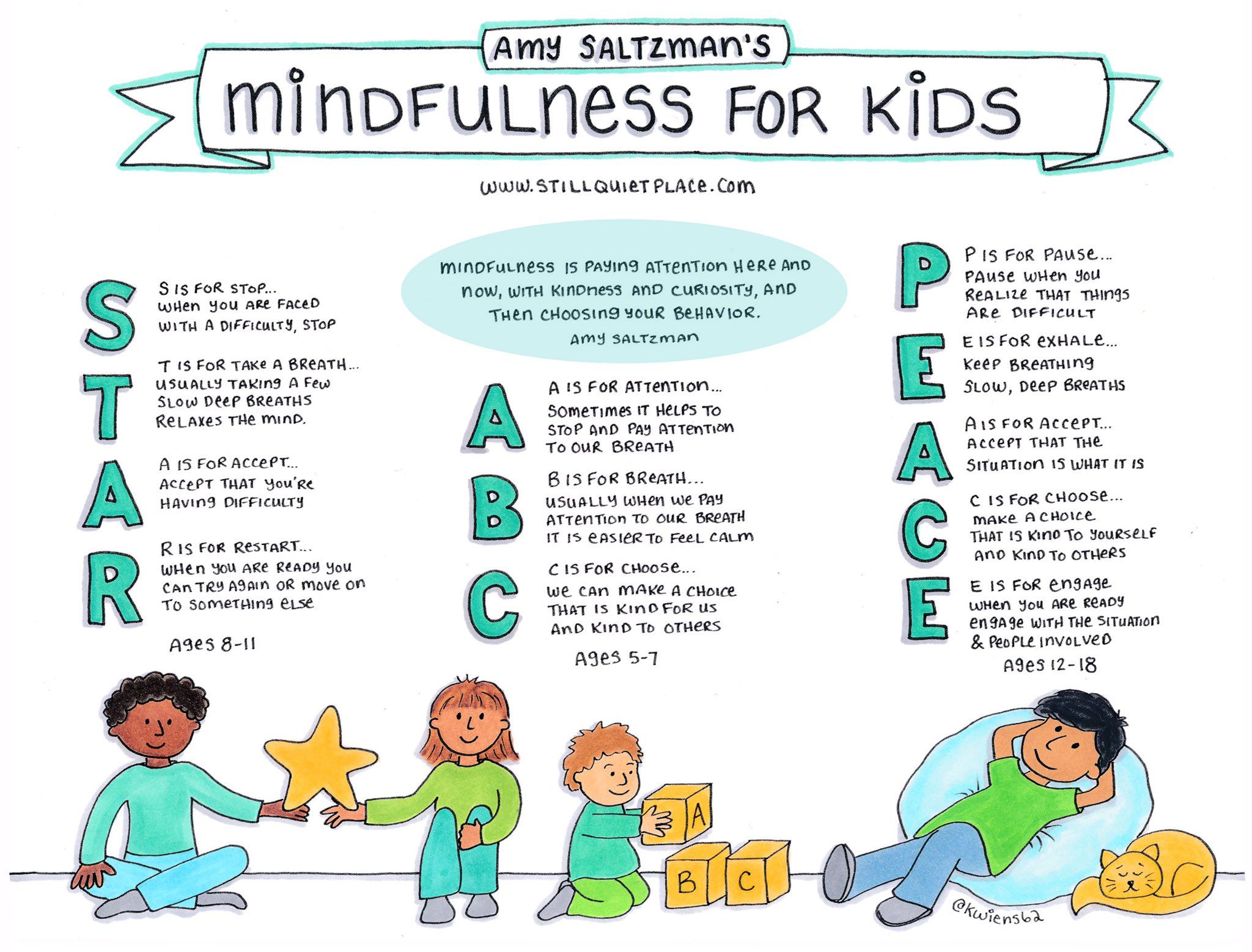
Mindfulness is the practice of paying attention to the present moment without judgment. It involves observing your thoughts, feelings, and physical sensations with curiosity and acceptance. By cultivating mindfulness, students can break free from distractions, reduce stress, and enhance their focus.
Benefits of Mindfulness for Studying
- Improved Focus and Concentration: Mindfulness helps students stay present in the moment, reducing distractions and enabling them to focus more effectively on their studies.
- Enhanced Memory: By clearing the mind of distracting thoughts, mindfulness improves working memory, making it easier to recall information.
- Reduced Stress and Anxiety: Mindfulness techniques can calm the nervous system, reducing stress and anxiety that can interfere with studying.
- Increased Motivation: Mindfulness fosters a sense of purpose and self-awareness, motivating students to engage with their studies more actively.
- Improved Well-being: Mindfulness practices promote emotional regulation, improving overall well-being and reducing the negative impact of academic stress.
How to Incorporate Mindfulness into Studying
- Mindful Study Sessions: Set aside specific time slots for mindful studying. During these sessions, focus solely on the task at hand, observing your thoughts and feelings without judgment.
- Body Scan Meditation: Take a few minutes before or after studying to practice a body scan meditation. This helps you connect with your physical sensations and reduce distractions.
- Mindful Breaks: Take short breaks throughout your study sessions to step away from your work and engage in mindfulness exercises such as mindful breathing or walking.
- Mindful Note-Taking: Pay attention to your thoughts and feelings as you take notes. Observe the words and concepts you’re writing down, and try to make connections to your own understanding.
- Mindful Review: When reviewing your notes or studying for a test, practice mindfulness by focusing on the present moment. Recall information actively, rather than passively reading or re-reading.
Conclusion
Mindfulness is a powerful tool that can transform the academic experience for students. By incorporating mindfulness practices into their study routines, students can enhance their focus, improve their memory, reduce stress, and increase their motivation. By unlocking the path to effective studying, mindfulness empowers students to achieve their full potential and succeed in their academic pursuits.Mindfulness For Students: Unlocking The Path To Effective Studying
Executive Summary
Mindfulness is a powerful tool that can help students improve their focus, concentration, and memory. By practicing mindfulness, students can learn to manage stress, reduce anxiety, and increase their overall well-being.
Introduction
As a student, it is easy to get caught up in the hustle and bustle of daily life. There are classes to attend, assignments to complete, and extracurricular activities to participate in. It can be difficult to find time to relax and de-stress. That is where mindfulness comes in. Mindfulness is the practice of paying attention to the present moment without judgment. It can be practiced in many different ways, such as meditation, yoga, or simply taking a few minutes each day to focus on your breath.
FAQs
What is mindfulness?
Mindfulness is the practice of paying attention to the present moment without judgment. It can be practiced in many different ways, such as meditation, yoga, or simply taking a few minutes each day to focus on your breath.
How can mindfulness help students?
Mindfulness can help students improve their focus, concentration, and memory. It can also help them manage stress, reduce anxiety, and increase their overall well-being.
How can I practice mindfulness?
There are many different ways to practice mindfulness. Some popular methods include meditation, yoga, and mindfulness-based stress reduction (MBSR). You can also practice mindfulness by simply taking a few minutes each day to focus on your breath or to pay attention to the present moment without judgment.
Top 5 Subtopics
1. Focus and Concentration
Mindfulness can help students improve their focus and concentration by teaching them to control their attention and to stay present. This can be especially helpful for students who have difficulty paying attention in class or who are easily distracted.
- 4-6 Important Pieces:
- Improved attention span: Mindfulness practices train the mind to stay focused for longer periods of time.
- Reduced distractions: Mindfulness helps students become more aware of their thoughts and feelings, which allows them to let go of distractions and stay focused on the task at hand.
- Enhanced working memory: Mindfulness improves working memory, which is essential for remembering information and completing tasks.
2. Stress and Anxiety
Mindfulness can help students manage stress and anxiety by teaching them to relax and to let go of negative thoughts. This can be especially helpful for students who experience test anxiety or who feel overwhelmed by academic pressure.
- 4-6 Important Pieces:
- Reduced stress hormones: Mindfulness practices have been shown to reduce levels of stress hormones, such as cortisol.
- Increased relaxation: Mindfulness helps students to relax and to let go of tension.
- Improved sleep: Mindfulness can improve sleep quality, which is essential for academic success.
3. Memory and Learning
Mindfulness can help students improve their memory and learning by teaching them to focus and to retain information. This can be especially helpful for students who have difficulty remembering information or who struggle with test-taking.
- 4-6 Important Pieces:
- Enhanced memory formation: Mindfulness practices help to strengthen neural pathways in the brain, which improves memory formation.
- Improved recall: Mindfulness helps students to recall information more easily.
- Increased comprehension: Mindfulness helps students to understand and retain information more effectively.
4. Emotional Regulation
Mindfulness can help students regulate their emotions by teaching them to identify and manage their emotions in a healthy way. This can be especially helpful for students who experience emotional outbursts or who have difficulty controlling their anger.
- 4-6 Important Pieces:
- Increased self-awareness: Mindfulness helps students become more aware of their thoughts and feelings.
- Improved emotional regulation: Mindfulness teaches students to manage their emotions in a healthy way.
- Reduced emotional reactivity: Mindfulness helps students to reduce their reactivity to emotional triggers.
5. Well-being
Mindfulness can help students increase their overall well-being by teaching them to live in the present moment and to appreciate the good things in life. This can be especially helpful for students who feel overwhelmed or who are struggling with mental health issues.
- 4-6 Important Pieces:
- Increased gratitude: Mindfulness helps students to develop a greater appreciation for the good things in their lives.
- Improved mood: Mindfulness has been shown to improve mood and reduce symptoms of depression.
- Enhanced self-compassion: Mindfulness helps students to develop a greater sense of self-compassion.
Conclusion
Mindfulness is a powerful tool that can help students improve their focus, concentration, memory, stress management, and overall well-being. By practicing mindfulness, students can learn to live in the present moment and to appreciate the good things in life. This can lead to improved academic performance, reduced stress, and increased happiness.
Keyword Tags
- Mindfulness
- Students
- Study
- Focus
- Concentration
- Memory
- Stress
- Anxiety