
Unlocking Memory: Breaks Enhance Learning and Retention
Learning is a complex process that involves encoding, storing, and retrieving information. Breaks during learning sessions have been shown to improve memory and retention by strengthening memory traces and reducing interference.

Encoding
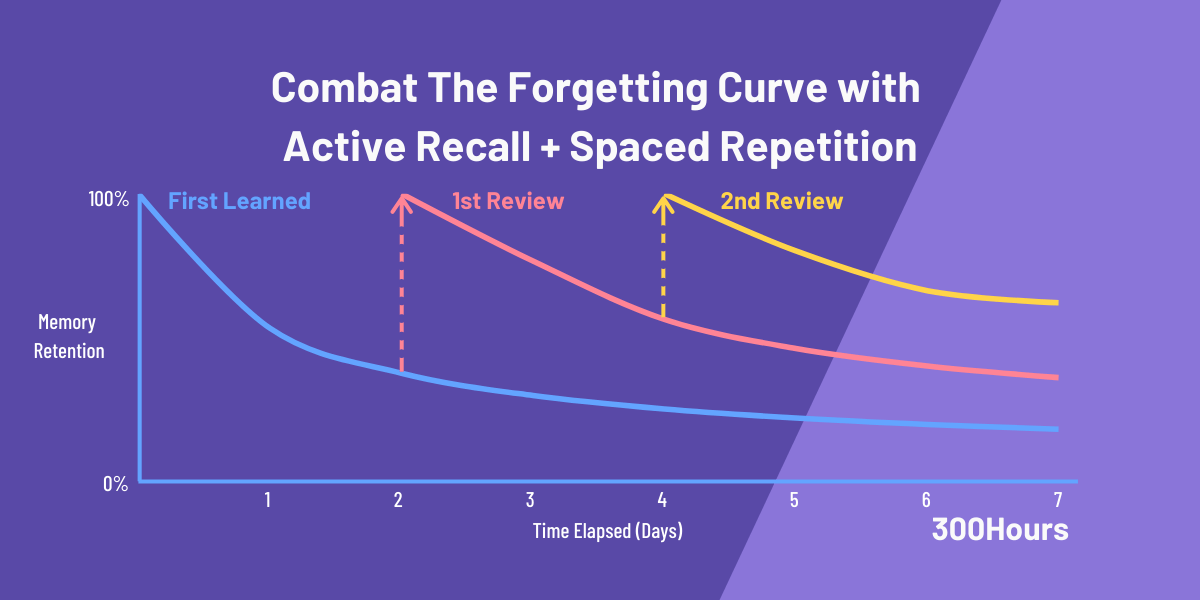
During encoding, new information is transferred from working memory to long-term memory. Breaks allow the brain to process and consolidate this information, making it more likely to be retained.
Storing
During breaks, the brain reorganizes and strengthens memory traces. This process, known as consolidation, helps to prevent memories from being lost or distorted over time.
Retrieving
Breaks also facilitate retrieval of information by providing time for the brain to refresh and reactivate memory traces. This makes it easier to access and use stored information when needed.
Interference
Breaks help to reduce interference, which occurs when new information interferes with the recall of previously learned information. By spacing out learning sessions with breaks, the brain can more effectively separate and retain different pieces of information.
Brain Activity
Studies have shown that breaks increase activity in the hippocampus, a brain region crucial for memory formation. This increased activity indicates that breaks enhance the encoding, storage, and retrieval processes involved in memory.
Types of Breaks
Optimal break durations vary depending on the task and individual learner. Short breaks (5-15 minutes) are effective for refreshing working memory, while longer breaks (30-60 minutes) allow for deeper consolidation. Breaks can include activities such as exercise, movement, or social interaction.
Conclusion
Incorporating breaks into learning sessions is essential for optimizing memory and retention. Breaks enhance encoding, storage, and retrieval processes by strengthening memory traces, reducing interference, and facilitating brain activity. By spacing out learning sessions with breaks, learners can improve their long-term memory and achieve greater academic success.## Unlocking Memory: How Breaks Enhance Learning And Retention
Executive Summary
This article highlights the critical role of breaks in enhancing learning and retention. It presents scientific evidence and practical tips to optimize learning by incorporating strategic breaks into the learning process. By understanding the brain’s natural mechanisms, learners can maximize knowledge acquisition and retention.
Introduction
Learning is a complex process that involves the formation of new neural connections and the strengthening of existing ones. While traditional methods emphasize continuous studying, mounting evidence suggests that incorporating breaks into the learning process boosts memory and comprehension. This article delves into the science behind breaks and provides actionable tips to harness their power for effective learning.
FAQs
Why are breaks beneficial for learning?
- Breaks allow the brain to consolidate new information, reducing forgetting.
- They enhance attention and focus, improving the quality of learning.
- Breaks facilitate the formation of long-term memories, ensuring lasting retention.
How long should breaks be?
- Optimal break duration varies depending on the individual and the learning task.
- Short breaks of 5-10 minutes every 25-30 minutes are recommended for most activities.
- Longer breaks (15-20 minutes) can be beneficial for complex or demanding learning sessions.
What activities are best for breaks?
- Engaging in unrelated activities, such as going for a walk, listening to music, or socializing.
- Physical exercise has been shown to enhance memory formation.
- Mindful meditation can reduce stress and improve attention.
The Power of Breaks: Subtopics
Spaced Retrieval
Spaced retrieval refers to the practice of revisiting learned material at increasing intervals. This forces the brain to actively retrieve information, strengthening memory traces.
- Distribute study sessions: Break down study material into smaller chunks and space out sessions.
- Use flashcards: Employ flashcards to test yourself on material at increasing intervals.
- Engage in active recall: Attempt to recall information from memory without looking at notes.
Interleaving
Interleaving involves mixing different subjects or topics while studying. This forces the brain to differentiate between concepts and promotes deeper understanding.
- Alternate subjects: Switch between different subjects or topics during a study session.
- Interleave practice questions: Create practice questions that cover multiple topics and shuffle their order.
- Mix up material: Incorporate different formats of learning, such as videos, articles, and presentations, within a session.
Elaboration
Elaboration involves connecting new information to existing knowledge or experiences. This deepens understanding and improves retention.
- Explain concepts to others: Try to explain the material to a friend or family member.
- Create connections: Relate new information to your own experiences or previous learning.
- Utilize analogies and metaphors: Use simple metaphors or comparisons to make concepts more relatable.
Feedback
Feedback provides learners with information about their performance and helps them identify areas for improvement.
- Seek feedback from others: Ask peers, instructors, or family members for feedback on your understanding.
- Utilize self-assessment: Regularly evaluate your comprehension and identify areas where you need further reinforcement.
- Engage in practice tests: Take practice tests to assess your progress and identify areas for improvement.
Chunking
Chunking involves breaking down large amounts of information into smaller, more manageable chunks. This reduces cognitive load and improves comprehension.
- Divide material into sections: Break down study material into smaller, logical sections.
- Use subheadings: Utilize headings and subheadings to organize material visually.
- Summarize key points: Identify the main ideas and summarize them in brief notes.
Conclusion
Strategic incorporation of breaks enhances learning by promoting memory consolidation, improving attention, and facilitating the formation of long-term memories. Spaced retrieval, interleaving, elaboration, feedback, and chunking are effective techniques to maximize the benefits of breaks. By understanding the brain’s natural mechanisms and implementing these strategies, learners can optimize their learning experience and achieve better outcomes.
Keyword Tags
- Learning and Retention
- Breaks in Learning
- Spaced Retrieval
- Interleaving
- Elaboration