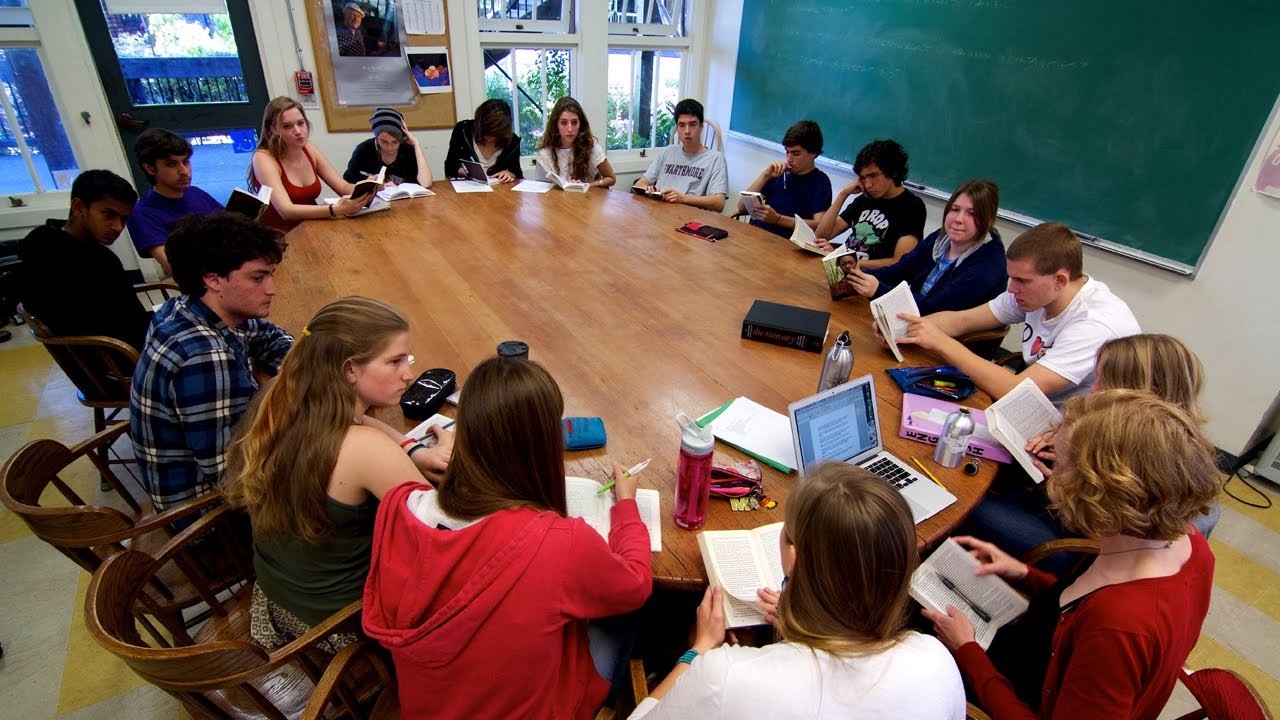
Collaborative Learning in the Digital Age
Collaboration is essential for learning and innovation in the digital age. With the advent of artificial intelligence (AI), the possibilities for enhancing collaboration are vast.

AI’s Role in Enhancing Collaboration

1. Virtual Collaboration Spaces:
- AI can create virtual collaboration spaces where students from different locations can interact, share ideas, and work together on projects.
- These spaces provide a seamless and immersive experience, fostering a sense of community and shared understanding.
2. Intelligent Personalization:
- AI can analyze individual learning styles and preferences to personalize collaboration experiences.
- By recommending relevant resources, matching students with compatible collaborators, and providing tailored feedback, AI enhances individual contributions and overall learning outcomes.
3. Natural Language Processing (NLP):
- NLP enables AI to understand and generate human language, breaking down language barriers in collaboration.
- It allows students from diverse backgrounds and cultures to communicate effectively, fostering inclusivity and broadening perspectives.
4. Social Media Integration:
- AI can bridge the gap between educational platforms and social media, enabling students to collaborate with peers and experts across different networks.
- By leveraging social media functionalities, AI facilitates the sharing of knowledge, resources, and ideas in real-time.
5. Adaptive Learning Systems:
- AI-powered adaptive learning systems track student progress and adjust collaboration activities accordingly.
- By identifying areas where additional support or collaboration is needed, AI ensures that all students are engaged and making progress.
Benefits of AI-Enhanced Collaboration
- Increased engagement: AI creates immersive and interactive learning environments that foster student involvement.
- Improved communication: AI bridges language barriers and facilitates effective communication among diverse collaborators.
- Enhanced knowledge sharing: AI provides access to a wider pool of resources and experts, enabling students to share and acquire knowledge more effectively.
- Personalized learning: AI adapts collaboration activities to individual needs, ensuring that every student benefits from personalized support and guidance.
- Increased efficiency: AI automates repetitive tasks and streamlines collaboration processes, freeing up time for more meaningful interactions.
Challenges and Future Directions
- Data privacy: It is crucial to address data privacy concerns and ensure that student data is used ethically and responsibly.
- Bias mitigation: AI algorithms should be designed to mitigate bias and ensure that all students have equal opportunities to collaborate.
- Human touch: AI should be complemented with human intervention to provide guidance, support, and foster personal connections.
- Integration with existing systems: AI-enhanced collaboration tools should be seamlessly integrated with existing educational platforms and systems to ensure ease of use and adoption.
- Research and development: Ongoing research is needed to explore the full potential of AI in enhancing collaborative learning and to develop innovative solutions for the digital age.
Conclusion
AI holds immense potential for transforming collaborative learning in the digital age. By creating immersive collaboration spaces, personalizing experiences, and facilitating effective communication, AI empowers students to engage in meaningful and productive learning partnerships. As AI technology continues to evolve, we can expect even more innovative and impactful ways to enhance collaboration and foster knowledge-sharing in the digital classroom.