Unlocking the Potential: How AI Personalizes Learning Experiences
Artificial Intelligence (AI) is revolutionizing the educational landscape by unlocking the potential for highly personalized learning experiences. Here are some key ways in which AI enhances learning:
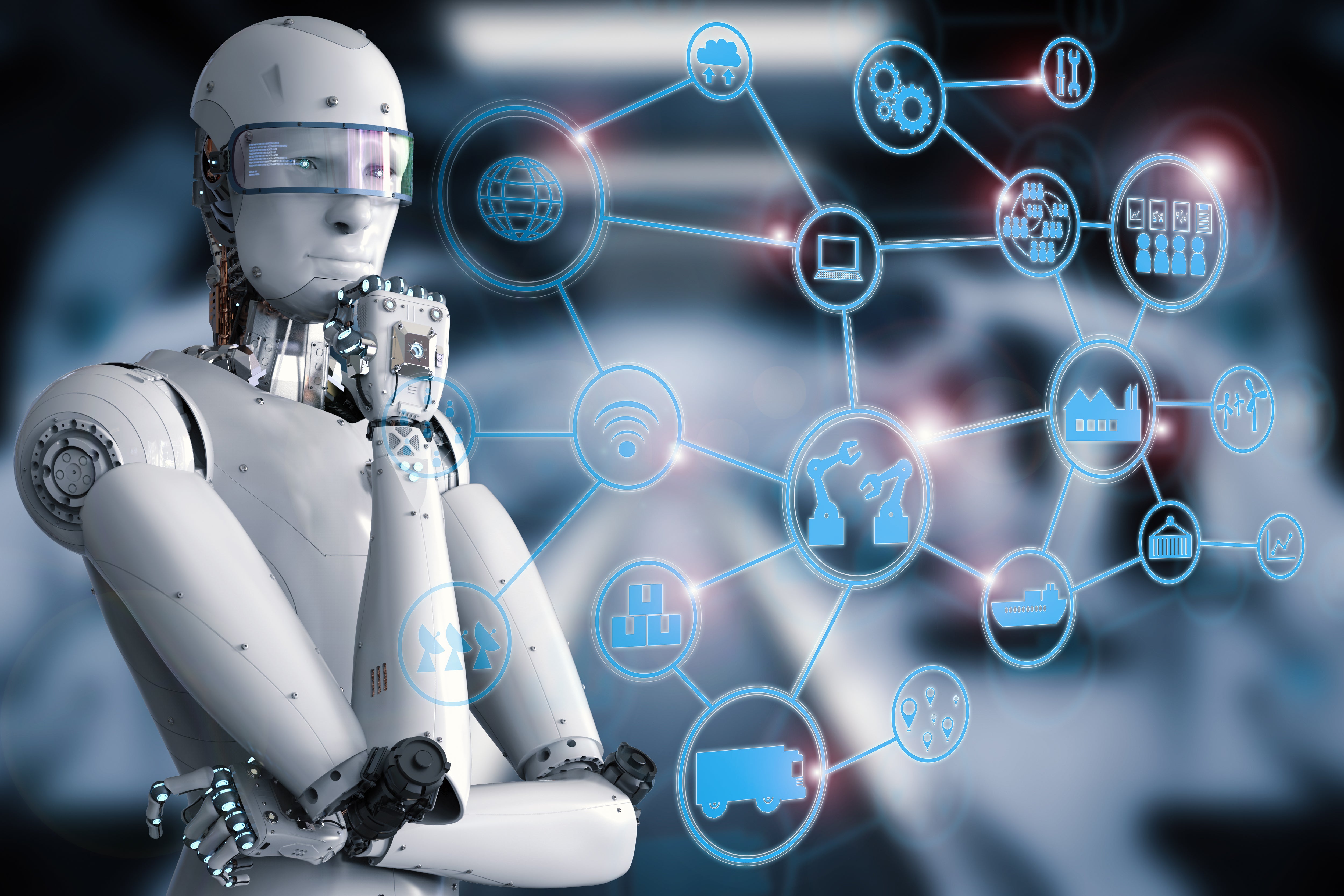
Tailored Learning Paths:
- AI algorithms analyze individual student data, including learning styles, interests, and progress, to create personalized learning paths.
- Students receive study materials and activities that align with their specific needs and abilities.
Adaptive Assessments:
- AI-powered assessments adapt to students’ responses in real-time.
- Questions adjust in difficulty and content based on student performance, providing targeted feedback and support.
Virtual Tutors and Mentors:
- AI chatbots and virtual assistants offer individualized guidance and support.
- Students can ask questions, receive instant feedback, and engage in interactive learning dialogues.
Interactive Simulations and Games:
- AI creates realistic simulations and games that immerse students in learning experiences.
- Learners can explore concepts hands-on and experience consequences of their actions in a safe environment.
Real-Time Feedback and Analytics:
- AI provides instant feedback on student work and progress.
- Educators and students gain insights into areas of strength and areas for improvement, enabling targeted interventions.
Personalized Content and Resources:
- AI recommends tailored learning resources, articles, and videos based on student preferences and interests.
- Students access materials that resonate with them, enhancing engagement and motivation.
Benefits of Personalized Learning Experiences:
- Improved Student Outcomes: Personalized learning addresses the unique needs of each student, leading to higher academic achievement.
- Increased Engagement: Tailored content and activities capture student interest and make learning more enjoyable.
- Reduced Learning Gaps: AI identifies areas where students need additional support and provides targeted interventions to close learning gaps.
- Empowerment and Self-Direction: Students have greater control over their learning journey, fostering a sense of agency and responsibility.
- Data-Driven Decision-Making: AI provides educators with valuable data to inform teaching strategies and improve student support.
Conclusion:
AI is transforming education by enabling personalized learning experiences that empower students and enhance outcomes. By tailoring learning paths, providing adaptive assessments, and offering real-time support, AI unlocks the potential for every student to succeed and thrive in their educational journey.# Unlocking The Potential: How Ai Personalizes Learning Experiences
Executive Summary
Artificial Intelligence (AI) is revolutionizing the education landscape, empowering educators with innovative tools to tailor learning experiences to the unique needs of each student. By leveraging AI’s advanced capabilities, educators can create highly personalized and engaging learning environments that foster deeper understanding, increased motivation, and improved outcomes for all learners. This article delves into the transformative potential of AI in education, exploring its key applications and highlighting how it is shaping the future of personalized learning.
Introduction
In today’s rapidly evolving educational landscape, the need for personalized learning has become more critical than ever. Every student possesses unique strengths, weaknesses, and learning styles. Traditional one-size-fits-all approaches often fail to cater to these individual differences, leading to suboptimal learning outcomes. AI has emerged as a powerful tool that can bridge this gap, empowering educators to create learning experiences that are tailored to each student’s specific needs, interests, and pace of learning.
FAQs
1. What is AI-powered personalized learning?
AI-powered personalized learning involves leveraging artificial intelligence technologies to create customized learning experiences for individual students. AI algorithms analyze vast amounts of data, including student performance, learning styles, and interests, to identify areas where each student needs additional support or enrichment.
2. How can AI personalize learning experiences?
AI can personalize learning experiences in a variety of ways, including:
- Adaptive content: AI algorithms can adjust the difficulty and pacing of learning materials based on each student’s progress and understanding.
- Personalized assessments: AI-powered assessments provide real-time feedback and identify areas where students need additional support.
- Virtual tutors: AI-powered virtual tutors offer personalized guidance and support to students, answering questions and providing tailored feedback.
3. What are the benefits of AI-powered personalized learning?
AI-powered personalized learning offers numerous benefits, including:
- Improved student engagement: Tailored learning experiences increase student interest and motivation, leading to improved engagement and knowledge retention.
- Enhanced learning outcomes: Personalized learning helps students achieve their full potential by providing them with the individualized support and challenges they need to succeed.
- Reduced learning gaps: AI algorithms can identify and address learning gaps in real-time, ensuring that all students have the opportunity to reach their academic goals.
Key Subtopics of AI-Powered Personalized Learning
1. Student Data and Analytics
AI algorithms analyze a wide range of student data, including academic performance, learning behaviors, and interests, to create personalized learning profiles for each student. These profiles inform the development of tailored learning experiences that are aligned with each student’s unique needs.
- Data types analyzed: Academic performance data (e.g., grades, test scores), Learning behaviors (e.g., time spent on tasks, interaction with learning materials), Interests and preferences (e.g., hobbies, extracurricular activities)
- Benefits of using student data: Improved understanding of student strengths and weaknesses, Identification of areas where students need additional support or enrichment, Development of personalized learning plans and interventions.
2. Adaptive Learning
Based on the insights gained from student data, AI algorithms can generate adaptive learning experiences that adjust to each student’s pace and learning style. Adaptive learning platforms provide students with personalized content, activities, and assessments that are designed to maximize their learning outcomes.
- How adaptive learning works: AI algorithms track student progress and identify areas where they need additional support or enrichment, The system then adjusts the difficulty and pacing of learning materials accordingly, Students receive personalized feedback and guidance to help them overcome challenges and achieve their academic goals.
- Benefits of adaptive learning: Increased student engagement, Enhanced learning outcomes, Reduced learning gaps, Improved efficiency and productivity.
3. Personalized Assessments
AI-powered assessments provide real-time feedback and insights into student understanding. These assessments use advanced algorithms to analyze student responses and identify areas where they need additional support or enrichment.
- Types of personalized assessments: Formative assessments (e.g., quizzes, assignments), Summative assessments (e.g., tests, projects), Diagnostic assessments (e.g., pre-tests, post-tests)
- Benefits of personalized assessments: Timely and accurate feedback on student progress, Identification of learning gaps and areas for improvement, Tailored interventions and support to address student needs, Improved assessment accuracy and reliability.
4. Virtual Tutors and Intelligent Agents
AI-powered virtual tutors and intelligent agents provide personalized guidance and support to students. These virtual assistants can answer questions, provide feedback, and offer guidance on a wide range of topics. They can also help students develop problem-solving skills and critical thinking abilities.
- How virtual tutors and intelligent agents work: AI algorithms analyze student data and interactions to provide personalized assistance, They use natural language processing to understand student questions and provide tailored responses, They can also provide real-time feedback and guidance.
- Benefits of virtual tutors and intelligent agents: 24/7 availability and support, Personalized guidance and feedback, Improved problem-solving skills, Enhanced critical thinking abilities.
5. Gamification and Learning
AI algorithms can be used to create engaging and motivating learning experiences through gamification. Gamification techniques incorporate game-like elements, such as points, badges, and leaderboards, into learning activities to increase student engagement and motivation.
- How gamification enhances learning: Introduction of game-like elements (e.g., points, badges, leaderboards) to motivate students, Creation of a sense of competition and collaboration among students, Provision of immediate feedback and rewards for progress and achievements.
- Benefits of gamification in learning: Increased student engagement and motivation, Enhanced learning outcomes, Improved problem-solving skills, Fostering of a positive learning environment.
Conclusion
AI has emerged as a powerful ally in education, providing educators with innovative tools to create highly personalized and engaging learning experiences for all students. By leveraging AI’s advanced capabilities, educators can tailor learning to each student’s unique needs, interests, and pace of learning, fostering deeper understanding, increased motivation, and improved outcomes for all learners. As AI continues to evolve, its transformative potential in education will undoubtedly continue to grow, shaping the future of personalized learning and empowering educators to unlock the full potential of every student.
Relevant Keyword Tags
- AI-powered personalized learning
- Adaptive learning
- Personalized assessments
- Virtual tutors
- Gamification in learning