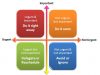
Active Participation in Class
Benefits:

- Enhanced Learning: Active participation promotes deeper understanding and retention of material.
- Critical Thinking Development: Students engage in higher-order thinking skills as they analyze, evaluate, and apply concepts.
- Improved Communication: Participation fosters verbal communication skills, listening abilities, and collaborative exchange.
- Increased Motivation: When students feel engaged and valued, they are more likely to stay motivated and contribute.
- Improved Grades: Active participation can positively impact grades by demonstrating comprehension, participation, and critical thinking.
How to Participate Actively:

1. Prepare in Advance:
- Review lecture notes or readings beforehand.
- Formulate questions or insights to share in class.
- Bring materials (e.g., notes, laptop) to facilitate participation.
2. Be Attentive and Engaged:
- Pay attention to the lecture, discussions, and activities.
- Take notes to capture key points and questions.
- Maintain eye contact with the instructor and peers.
3. Ask Questions and Offer Insights:
- Seek clarification or expand on topics by asking thoughtful questions.
- Share your knowledge, opinions, or experiences to contribute to the discussion.
- Respect the perspectives of others and engage in constructive dialogue.
4. Participate in Group Activities:
- Actively engage in discussions, group projects, or simulations.
- Contribute ideas, ask questions, and collaborate with peers.
- Demonstrate effective communication and teamwork skills.
5. Reflect and Evaluate:
- After class, reflect on your participation and identify areas for improvement.
- Seek feedback from the instructor or peers to enhance your future contributions.
Additional Tips:
- Be proactive and volunteer: Raise your hand or approach the instructor to share your thoughts.
- Practice active listening: Pay attention to the content and perspectives presented by others.
- Be respectful of time and space: Allow others to participate and avoid interrupting or dominating discussions.
- Seek support: If you struggle with participation, talk to the instructor or a classmate for encouragement.
- Use technology appropriately: Utilize online discussion forums or note-taking apps to supplement in-class contributions.## How Active Participation In Class
Executive Summary
Active participation in class is crucial for student learning and success. It fosters engagement, improves understanding, and enhances critical thinking skills. Students who actively participate in class discussions, ask questions, and contribute their perspectives experience significant benefits in their academic journey.
Introduction
Active participation in class is not merely about being present but actively engaging in the learning process. It involves actively listening, asking thoughtful questions, sharing ideas, and collaborating with peers. Participation allows students to deepen their understanding, develop critical thinking skills, and enhance their overall learning experience.
FAQs
- Why is active participation important?
- Fosters engagement and motivation
- Improves understanding and retention
- Develops critical thinking and problem-solving skills
- Enhances communication and interpersonal skills
- How can students participate actively in class?
- Prepare for class by reviewing materials in advance
- Engage in discussions by asking questions and sharing perspectives
- Participate in group activities and collaborative projects
- Seek clarification when needed
- Respect diverse opinions and contribute to a positive learning environment
- What are the benefits of active participation?
- Improved grades and academic performance
- Enhanced critical thinking and problem-solving skills
- Increased confidence and self-expression
- Stronger relationships with classmates and instructors
- Preparation for future success in professional settings
Subtopics
1. Benefits of Active Participation
- Improved cognitive function and memory retention
- Enhanced problem-solving and critical thinking skills
- Increased motivation and engagement
- Development of effective communication and interpersonal skills
- Preparation for future success in academic and professional settings
2. Strategies for Active Participation
- Active listening and attentive engagement
- Asking clarifying questions and seeking further information
- Sharing ideas, perspectives, and experiences
- Collaborating with peers and contributing to group discussions
- Respecting diverse opinions and creating a positive learning environment
3. Overcoming Barriers to Participation
- Fear of making mistakes or appearing foolish
- Limited confidence in one’s abilities
- Language or cultural barriers
- Lack of preparation or knowledge of the subject matter
- Physical or learning disabilities
4. Role of Instructors in Promoting Participation
- Creating a welcoming and supportive learning environment
- Encouraging open communication and valuing diverse perspectives
- Using interactive teaching methods and incorporating student feedback
- Providing opportunities for group work and collaborative projects
- Offering support and guidance to students who face barriers
5. Impact on Student Learning
- Improved academic performance and higher grades
- Increased understanding and retention of course material
- Development of higher-order thinking skills
- Enhanced critical analysis and problem-solving abilities
- Preparation for lifelong learning and success
Conclusion
Active participation in class is an essential ingredient for student success. It transforms passive learning into an active and engaging experience. By embracing active participation, students maximize their learning potential, cultivate critical thinking skills, and prepare themselves for future academic and professional endeavors. Educators have a vital role in fostering a supportive and inclusive learning environment where all students feel comfortable and empowered to actively engage in the learning process. By embracing active participation, we unlock the full potential of education and empower students to become lifelong learners and critical thinkers.
Keyword Tags
- Active participation in class
- Benefits of active participation
- Strategies for active participation
- Overcoming barriers to participation
- Impact on student learning