
5 Strategies for Setting Achievable Academic Goals:
1. Identify Specific and Measurable Goals:
- Define goals that are clear, specific, and measurable. Avoid using vague language or general statements.
- For example, instead of saying “Improve my grades,” set a goal like “Increase my GPA by 0.5 points this semester.”
2. Break Down Large Goals into Smaller Steps:
- Divide challenging goals into smaller, more manageable chunks. This makes them feel less daunting and easier to track.
- For instance, if your goal is to write a 10-page research paper, break it down into smaller assignments, such as completing a literature review, outlining the paper, and writing specific sections.
3. Set Realistic Timelines:
- Allocate an appropriate amount of time to each goal. Consider your current workload, commitments, and distractions.
- Avoid setting unrealistic deadlines that can lead to stress and discouragement. Use a calendar or planner to track your progress and stay organized.
4. Focus on Strengths and Areas for Improvement:
- Identify your strengths and areas where you need to improve.
- Leverage your strengths to build upon your successes, and focus on specific areas where you need to enhance your skills or knowledge.
5. Monitor Your Progress and Adjust as Needed:
- Regularly track your progress towards your goals.
- Make adjustments along the way if necessary. If a step is taking longer than expected or if you’re struggling in a particular area, don’t be afraid to modify your timeline or strategies.## [5 Strategies For Setting Achievable Academic Goals]
Executive Summary
Setting achievable academic goals is crucial for student success. By following these five strategies, students can increase their motivation, improve their focus, and boost their academic performance.
Introduction
Academic goals are the foundation of student success. They provide a roadmap for learning and help students stay motivated and focused. However, setting unrealistic or unachievable goals can lead to frustration and failure. By following these five strategies, students can set achievable goals that will help them succeed in their studies.
FAQ
What are the benefits of setting achievable academic goals?
Setting achievable academic goals provides several benefits, including:
- Increased motivation and focus
- Improved time management skills
- Reduced stress and anxiety
- Greater sense of accomplishment
How do I set achievable academic goals?
To set achievable academic goals, follow these steps:
- Identify your goals. What do you want to achieve academically?
- Break down your goals into smaller steps. This will make them seem less daunting and more achievable.
- Set realistic deadlines. Don’t set yourself up for failure by setting unrealistic deadlines.
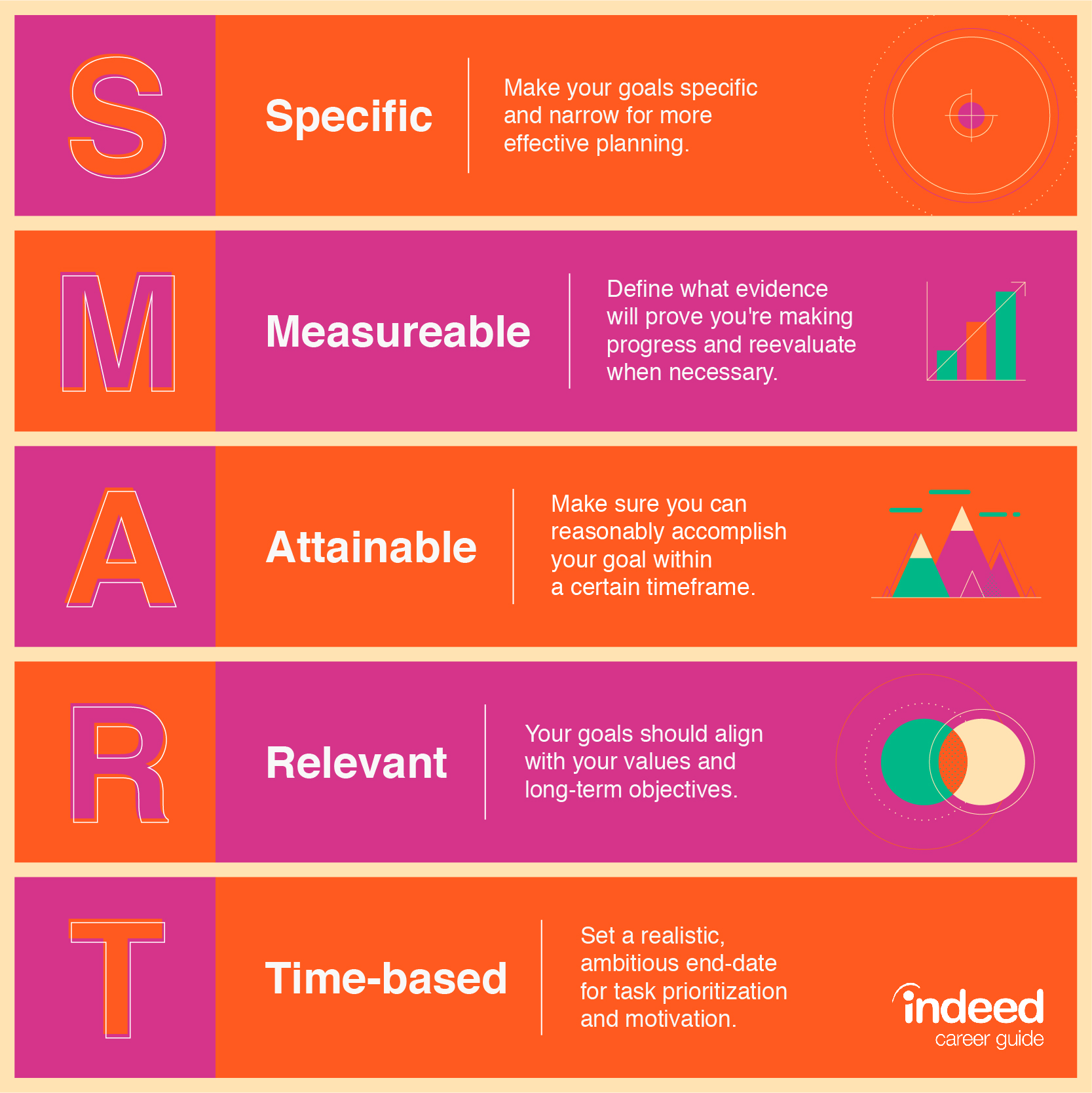
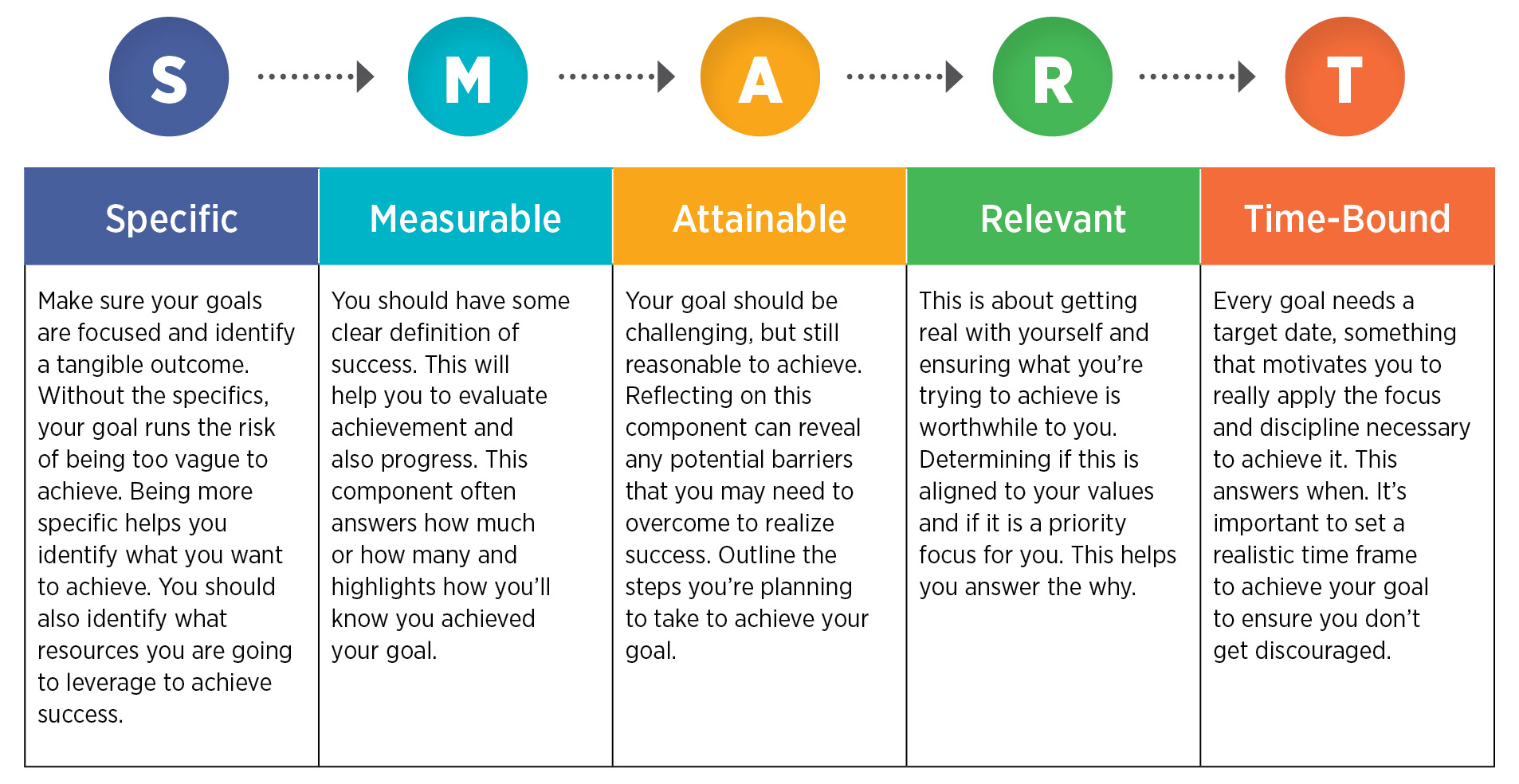
- Make sure your goals are specific, measurable, achievable, relevant, and time-bound. This will help you track your progress and stay motivated.
- Write down your goals and keep them somewhere you can see them. This will help you stay focused and on track.
What are common mistakes to avoid when setting academic goals?
Some common mistakes to avoid when setting academic goals include:
- Setting goals that are too vague or general.
- Setting goals that are too ambitious or unrealistic.
- Setting goals that are not relevant to your academic interests or goals.
- Not setting deadlines for your goals.
- Not writing down your goals.
Top 5 Subtopics
1. Set SMART Goals
SMART goals are specific, measurable, achievable, relevant, and time-bound. By setting SMART goals, you can increase your chances of success. Specific goals are clear and concise. Measurable goals allow you to track your progress. Achievable goals are challenging but not impossible. Relevant goals are aligned with your academic interests and goals. Time-bound goals have a deadline.
2. Break Down Your Goals
Breaking down your goals into smaller steps can make them seem less daunting and more achievable. For example, if your goal is to write a 10-page research paper, you could break it down into smaller steps, such as writing an outline, drafting the introduction, and writing the body paragraphs.
3. Set Realistic Deadlines
Setting realistic deadlines is important for staying on track and avoiding stress. When setting deadlines, be sure to consider your other commitments and the amount of time you have available.
4. Make Sure Your Goals Are Relevant
Your academic goals should be relevant to your academic interests and goals. Setting goals that are not relevant will make it less likely that you will be motivated to achieve them.
5. Write Down Your Goals
Writing down your goals helps you stay focused and on track. Keep your goals somewhere you can see them, such as on your desk or in a planner.
Conclusion
By following these five strategies, you can set achievable academic goals that will help you succeed in your studies. Setting achievable goals gives you a sense of purpose and direction. It also helps you stay motivated and focused. So, take the time to set some achievable academic goals for yourself, and then get started on achieving them!
Keyword Tags
- Academic goals
- SMART goals
- Goal setting
- Student success
- Motivation