Leveraging Technology for Academic Success
In today’s digital age, technology plays a crucial role in enhancing academic achievement for students at all levels. By embracing technology, educators and students can unlock a world of opportunities that foster learning, collaboration, and personalized experiences.

Benefits of Technology-Enhanced Learning:

- Personalized learning: Technology allows for tailored learning experiences based on students’ individual needs and learning styles.
- Enhanced access to information: Digital platforms provide students with vast amounts of information and resources at their fingertips, expanding their knowledge horizon.
- Collaboration and communication: Technology facilitates online collaboration and communication, enabling students to connect with peers, teachers, and experts.
- Engaging and interactive learning: Digital tools create engaging and interactive learning environments that capture students’ attention and motivate them to learn.
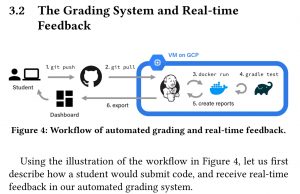
- Improved assessment and feedback: Technology-based assessment tools provide real-time feedback, helping students monitor their progress and identify areas for improvement.
Key Technologies for Academic Success:
- Learning Management Systems (LMS): Platforms like Blackboard and Canvas provide a centralized hub for course materials, assignments, quizzes, and discussions.
- Cloud-based collaboration tools: Services such as Google Workspace and Microsoft Teams allow students and teachers to collaborate on projects, share documents, and conduct online meetings.
- Educational apps: A wide range of educational apps offer interactive learning experiences, practice exercises, and personalized support.
- Virtual and augmented reality: These technologies provide immersive and engaging learning experiences, allowing students to explore virtual worlds and interact with digital objects.
- Artificial intelligence (AI): AI-powered chatbots and tutoring platforms provide personalized assistance, answer questions, and offer guidance.
Strategies for Leveraging Technology Effectively:
- Integrate technology into curriculum and instruction: Design lessons that seamlessly incorporate technology to enhance learning objectives.
- Provide training and support: Ensure that students and educators are proficient in using technology for academic purposes.
- Foster digital citizenship skills: Teach students responsible and ethical use of technology to support their academic and personal growth.
- Monitor and evaluate technology use: Regularly assess the effectiveness of technology in improving student outcomes and make adjustments as needed.
- Collaborate with technology experts: Partner with IT professionals or instructional designers to maximize the integration and impact of technology in the classroom.
Conclusion:
Leveraging technology for academic success empowers students with personalized, engaging, and accessible learning experiences. By embracing technology and implementing effective strategies, educators can unlock the potential of students, cultivate their curiosity, and prepare them for the challenges of the modern world.## Leveraging Technology for Academic Success
Executive Summary
The integration of technology in education has revolutionized learning, offering students unprecedented opportunities to enhance their academic experiences and achieve greater success. This comprehensive article explores the transformative power of technology, discussing its multifaceted benefits, addressing common concerns, and highlighting best practices for harnessing its potential. By embracing technology, students can empower themselves with the tools and knowledge necessary to excel in their studies and prepare for the demands of the 21st-century workplace.
Introduction
In the digital age, technology has become an indispensable part of our lives, transforming the way we communicate, access information, and learn. In the academic realm, technology is revolutionizing education, enhancing learning experiences and empowering students to achieve greater academic heights.
FAQs
How can technology improve learning outcomes?
- Facilitates personalized learning tailored to individual needs and learning styles.
- Provides access to a vast array of online resources, including interactive simulations, videos, and simulations.
- Enables collaboration and peer-to-peer learning through online forums and group projects.
What are the potential drawbacks of using technology in education?
- Digital distractions can be a concern if not properly managed.
- Internet access and device availability may pose challenges for some students.
- Over-reliance on technology can hinder the development of essential critical thinking and problem-solving skills.
How can I use technology effectively for academic success?
- Develop a plan for using technology that complements your learning style and course requirements.
- Seek guidance from educators and peers to identify the most appropriate tools and resources.
- Practice time management and self-discipline to avoid distractions and maintain a healthy balance between online and offline learning.
Subtopics
Educational Software and Apps
Educational software and apps offer a range of interactive and engaging resources to enhance learning.
- Learning platforms: Provide access to interactive simulations, videos, and assessments.
- Language learning apps: Facilitate language acquisition through personalized exercises and lessons.
- Math and science apps: Offer interactive games and simulations to make complex concepts accessible and fun.
Online Resources and Libraries
Online resources and libraries provide access to a vast collection of digital materials, including textbooks, articles, and research papers.
- Digital textbooks: Offer interactive features, search tools, and personalized annotations.
- Online libraries: Grant access to scholarly journals, databases, and e-books.
- Open educational resources (OER): Provide freely available educational materials, including textbooks, videos, and simulations.
Collaborative Tools
Collaborative tools foster collaboration and peer-to-peer learning, enhancing understanding and knowledge retention.
- Video conferencing tools: Enable virtual meetings, discussions, and group projects.
- Cloud-based productivity tools: Allow students to work on shared documents, presentations, and spreadsheets in real-time.
- Online forums and discussion boards: Promote asynchronous communication and knowledge sharing among students.
Adaptive Learning
Adaptive learning platforms use artificial intelligence to personalize learning experiences based on individual student needs.
- Intelligent tutoring systems: Provide interactive guidance and support tailored to student proficiency levels.
- Personalized feedback: Offer real-time feedback and insights to help students identify areas for improvement.
- Data analytics: Provide insights into student progress and learning patterns to inform instructional decisions.
Virtual and Augmented Reality (VR/AR)
VR/AR technologies create immersive and engaging learning experiences that enhance understanding and retention.
- Virtual field trips: Transport students to distant locations or historical events.
- Interactive simulations: Allow students to interact with complex concepts and scenarios in a realistic environment.
- Augmented textbooks: Bring textbooks to life with interactive content and animations.
Conclusion
Leveraging technology for academic success requires a balanced approach that harnesses its potential while mitigating potential drawbacks. By integrating technology into their learning strategies, students can enhance their understanding, engage with course material in innovative ways, and prepare themselves for the technological demands of the modern workplace. It is essential to remember that technology is a tool that complements traditional learning methods, enabling students to achieve greater academic heights while fostering a lifelong love of learning.
Keyword Tags
- Academic Success
- Educational Technology
- Online Learning
- Personalized Learning
- Collaborative Learning