The Transformative Power of Gratitude in Personal Development
Gratitude is a powerful emotion that has profound implications for our personal growth and well-being. By cultivating a mindset of gratitude, we can unlock its transformative power and enhance our lives in myriad ways.
Benefits of Gratitude:
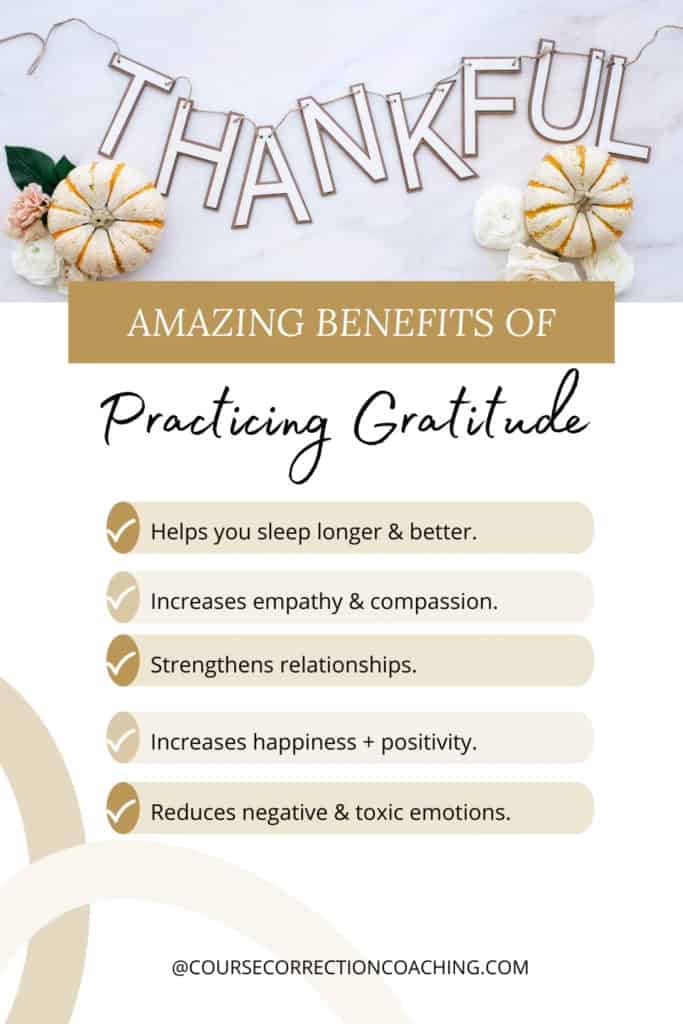
- Improved mental health: Gratitude has been linked to reduced symptoms of depression, anxiety, and stress. It promotes positive emotions and boosts overall happiness.
- Increased self-esteem: Expressing gratitude helps us recognize and appreciate our own worth. It builds confidence and enhances our sense of value.
- Enhanced resilience: Gratitude fosters a positive outlook on life, making us more resilient in the face of challenges. It reminds us that even during difficult times, there are things to be grateful for.
- Strengthened relationships: Expressing gratitude to others deepens our bonds and fosters connection. It builds trust and improves communication.
- Enhanced physical health: Gratitude has been associated with better sleep, improved immune function, and reduced inflammation. It promotes a sense of well-being and vitality.
Cultivating Gratitude:
- Practice daily reflection: Set aside a few minutes each day to reflect on things you’re grateful for. Focus on the big and small blessings in your life.
- Keep a gratitude journal: Write down three to five things you’re grateful for every day. Revisiting these entries can provide a powerful boost to your mood.
- Express gratitude: Verbally or in writing, express your gratitude to others who have made a positive impact in your life. A simple “thank you” can make a profound difference.
- Focus on the present moment: Gratitude helps us appreciate the good things we have right now, rather than dwelling on the past or worrying about the future.
- Challenge negative thoughts: When negative thoughts arise, counter them with thoughts of gratitude. This helps shift your focus to the positive aspects of your life.
Applications in Personal Development:
- Goal setting and motivation: Expressing gratitude for your goals can help you stay motivated and focused. It reminds you of the reasons why you’re pursuing them.
- Self-improvement: Gratitude encourages us to focus on our strengths and areas for growth. It helps us identify and cultivate positive qualities.
- Personal fulfillment: Gratitude promotes a deep sense of contentment and fulfillment. It helps us appreciate the simple pleasures in life and find joy in the present moment.
- Leadership and teamwork: Expressing gratitude to others fosters positive work environments, builds trust, and enhances collaboration.
- Overcoming obstacles: Gratitude can help us maintain a positive attitude even in challenging situations. It reminds us that even during difficulties, there are things to be grateful for.
Conclusion:
Gratitude is an essential ingredient for personal development and well-being. By cultivating a mindset of gratitude, we can unlock its transformative power, enhance our mental health, build stronger relationships, and live more fulfilling lives. Embracing gratitude allows us to appreciate the good things in our lives, develop resilience, and grow into the best versions of ourselves.## The Power Of Gratitude In Personal Development
Executive Summary
Gratitude is a powerful emotion that can have a profound impact on our personal development. When we practice gratitude, we focus on the positive aspects of our lives and appreciate the good things we have. This can lead to a number of benefits, including increased happiness, better relationships, and improved mental and physical health.
Introduction
Gratitude is a simple but powerful practice that can make a big difference in our lives. When we take the time to appreciate the good things in our lives, we can boost our happiness, improve our relationships, and increase our overall well-being.
FAQs
- What is gratitude?
Gratitude is the feeling of appreciation for what we have. It is a positive emotion that focuses on the good things in our lives. - What are the benefits of gratitude?
There are many benefits to gratitude, including increased happiness, better relationships, improved mental and physical health, and increased resilience. - How can I practice gratitude?
There are many ways to practice gratitude. Some simple ways include keeping a gratitude journal, writing thank-you notes, or simply taking time each day to appreciate the good things in our lives.
Top 5 Subtopics
1. Increased Happiness
Gratitude has been shown to increase happiness levels. When we focus on the positive aspects of our lives, we are more likely to feel happy and content.
- Boosts positive emotions: Gratitude helps us to focus on the good things in our lives, which can lead to increased positive emotions such as happiness, joy, and contentment.
- Reduces negative emotions: Gratitude can also help to reduce negative emotions such as stress, anxiety, and depression.
- Improves life satisfaction: Grateful people are more likely to be satisfied with their lives overall.
2. Better Relationships
Gratitude can also improve our relationships. When we express gratitude to others, we are showing them that we appreciate them and value their presence in our lives. This can lead to stronger bonds and more positive interactions.
- Increases intimacy: Gratitude can help to increase intimacy in relationships by fostering a sense of connection and appreciation.
- Improves communication: Grateful people are more likely to communicate openly and honestly with others.
- Reduces conflict: Gratitude can help to reduce conflict in relationships by promoting understanding and forgiveness.
3. Improved Mental and Physical Health
Gratitude has also been shown to improve our mental and physical health. When we are grateful, we are more likely to take care of ourselves and make healthy choices.
- Reduces stress: Gratitude can help to reduce stress levels by promoting relaxation and reducing negative thoughts.
- Boosts the immune system: Gratitude has been shown to boost the immune system, which can help to protect us from illness.
- Improves sleep: Grateful people are more likely to get a good night’s sleep.
4. Increased Resilience
Gratitude can also help us to become more resilient. When we face challenges, gratitude can help us to focus on the positive aspects of our lives and stay motivated.
- Promotes positive coping mechanisms: Gratitude can help us to develop positive coping mechanisms for dealing with stress and adversity.
- Increases self-compassion: Grateful people are more likely to be self-compassionate, which can help us to bounce back from setbacks.
- Enhances meaning and purpose: Gratitude can help us to find meaning and purpose in our lives, which can give us the strength to persevere through challenges.
5. Gratitude Journals
Gratitude journals are a great way to practice gratitude. When we write down the things we are grateful for, we are more likely to focus on the positive aspects of our lives and appreciate the good things we have.
- How to start a gratitude journal: To start a gratitude journal, simply write down three to five things you are grateful for each day.
- Benefits of gratitude journals: Gratitude journals can help to increase happiness, improve relationships, and boost mental and physical health.
- Tips for keeping a gratitude journal: Be consistent with your writing, and write about a variety of things.
Conclusion
Gratitude is a powerful emotion that can have a profound impact on our personal development. When we practice gratitude, we focus on the positive aspects of our lives and appreciate the good things we have. This can lead to a number of benefits, including increased happiness, better relationships, improved mental and physical health, and increased resilience.
Keyword Tags
- Gratitude
- Personal development
- Happiness
- Relationships
- Health