Understanding Growth Mindset:
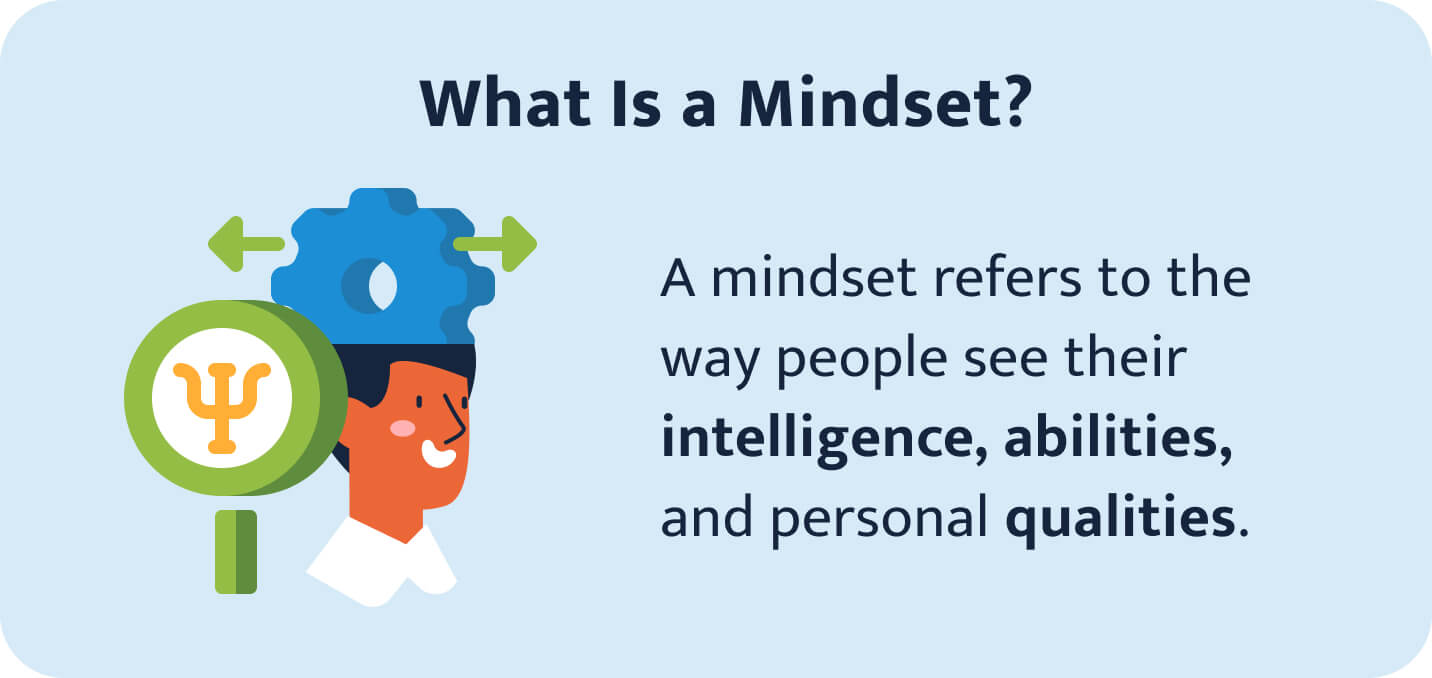
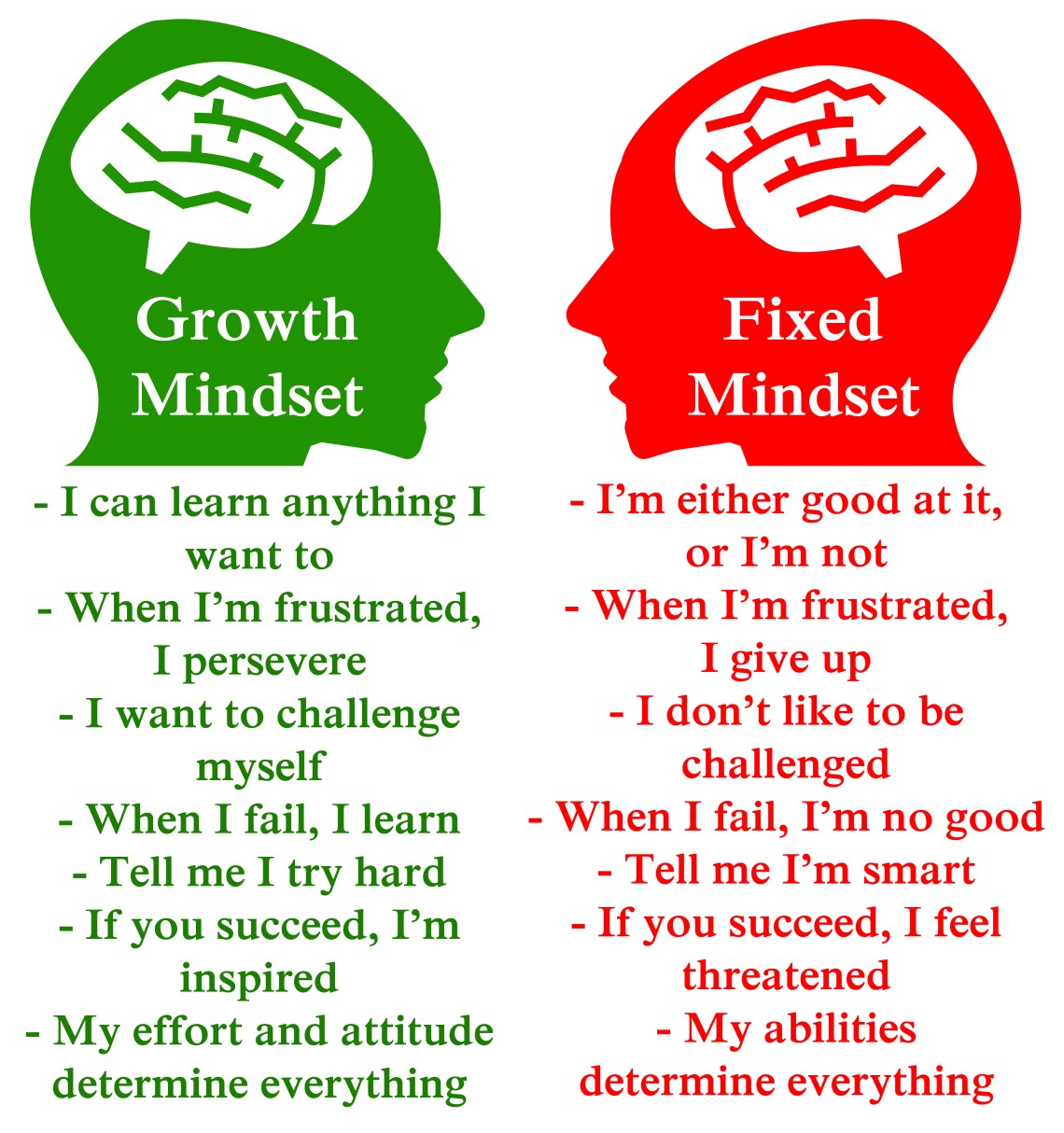
- Fixed Mindset: Belief that intelligence is fixed and cannot be improved.
- Growth Mindset: Belief that intelligence can be developed through effort and learning.
Benefits of a Growth Mindset for Academic Achievement:
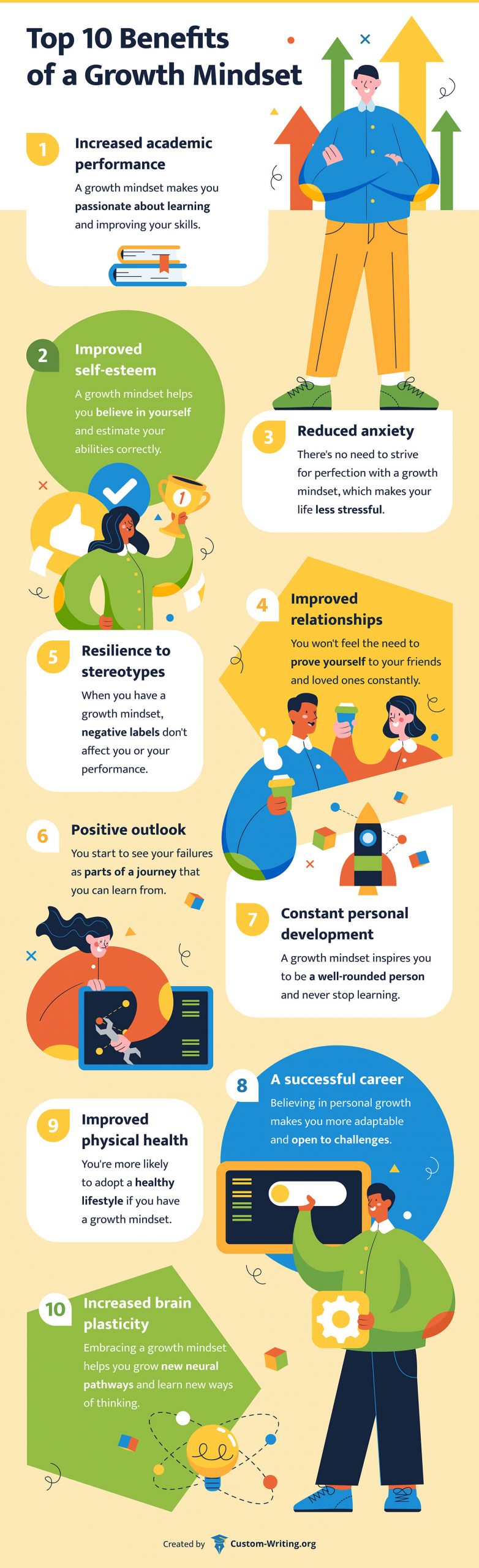
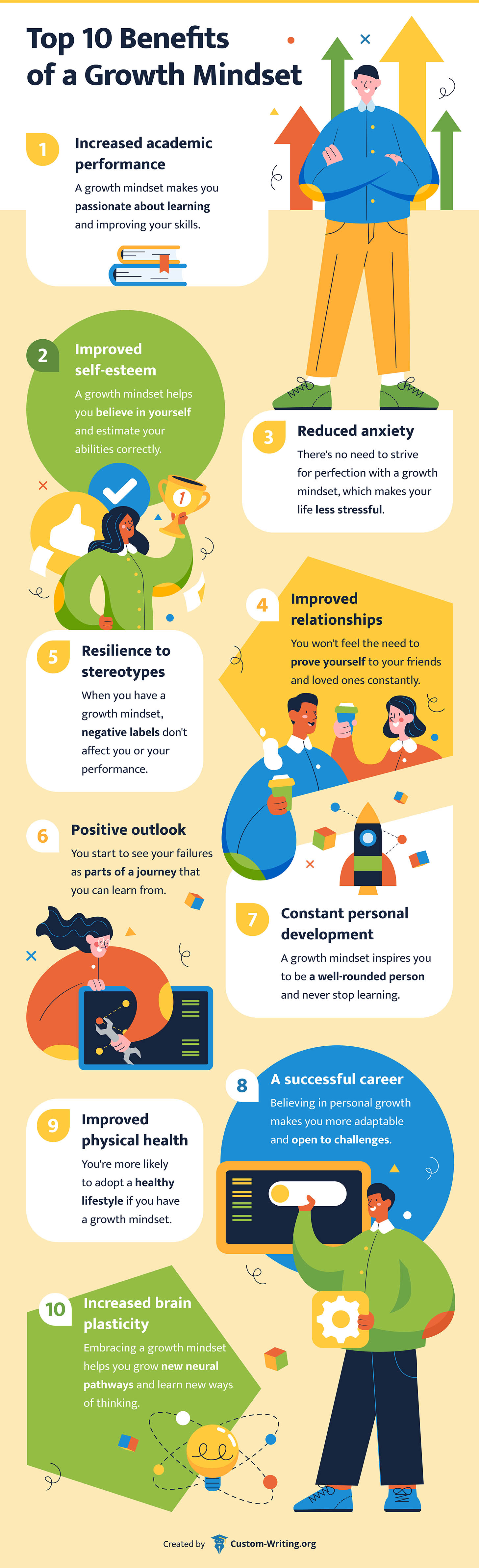
- Increased motivation and resilience
- Improved problem-solving skills
- Higher academic achievement
- Greater enjoyment of learning
Strategies for Developing a Growth Mindset:
1. Challenge Fixed Beliefs:
- Identify limiting beliefs about intelligence.
- Replace them with affirmations that emphasize growth and learning.
- Seek evidence that challenges fixed beliefs (e.g., examples of people who have improved their intelligence).
2. Embrace Challenges and Mistakes:
- View challenges as opportunities for growth.
- Welcome mistakes as learning experiences.
- Focus on effort and progress rather than perfection.
3. Set Realistic Goals and Track Progress:
- Set specific, achievable goals that promote growth.
- Monitor progress and adjust goals as needed.
- Celebrate successes, both big and small.
4. Seek Feedback and Reflection:
- Regularly ask for constructive feedback from teachers, peers, and mentors.
- Reflect on feedback and use it to identify areas for improvement.
- Make adjustments to learning strategies based on feedback.
5. Practice Self-Compassion:
- Be kind to yourself when you make mistakes.
- Recognize that growth takes time and effort.
- Focus on progress rather than perfection.
6. Model Growth Mindset:
- Teachers and parents can model a growth mindset by:
- Praising effort and progress
- Encouraging students to take risks
- Celebrating mistakes as learning opportunities
7. Foster a Supportive Environment:
- Create a classroom or home environment that encourages growth mindset.
- Surround yourself with people who believe in your potential.
- Provide opportunities for students to support each other in learning.
Conclusion:
Developing a growth mindset is essential for academic achievement. By challenging fixed beliefs, embracing challenges, setting realistic goals, seeking feedback, practicing self-compassion, modeling growth mindset, and fostering a supportive environment, you can cultivate a belief in your ability to learn and grow, leading to higher academic success.## Developing A Growth Mindset For Academic Achievement
Executive Summary
A growth mindset is the belief that intelligence can be developed through effort and practice. This is in contrast to a fixed mindset, which believes that intelligence is fixed and cannot be changed. Research has shown that students with a growth mindset are more likely to achieve academic success than students with a fixed mindset.
Introduction
In today’s competitive academic environment, it is more important than ever for students to develop a growth mindset. A growth mindset is the belief that intelligence can be developed through effort and practice. This is in contrast to a fixed mindset, which believes that intelligence is fixed and cannot be changed. Research has shown that students with a growth mindset are more likely to achieve academic success than students with a fixed mindset.
FAQs
1. What is a growth mindset?
A growth mindset is the belief that intelligence can be developed through effort and practice. This is in contrast to a fixed mindset, which believes that intelligence is fixed and cannot be changed.
2. Why is a growth mindset important for academic achievement?
Students with a growth mindset are more likely to:
- Persist in the face of challenges.
- Take risks.
- Learn from their mistakes.
- Achieve academic success.
3. How can I develop a growth mindset?
There are many things that you can do to develop a growth mindset. Some helpful tips include:
- Challenge your fixed beliefs about intelligence.
- Focus on your effort and progress.
- Celebrate your successes.
- Learn from your mistakes.
Top 5 Subtopics:
1. The Power of Yet
The phrase “not yet” is a powerful tool for developing a growth mindset. When you say “I can’t do this yet,” you are acknowledging that you may not be able to do something right now, but you are also expressing your belief that you can eventually learn how to do it. This is a much more positive and empowering attitude than saying “I can’t do this.”
2. Effort and Persistence
Students with a growth mindset believe that effort and persistence are key to success. They are willing to put in the hard work and stick with it, even when things get tough. This is in contrast to students with a fixed mindset, who believe that success is all about natural talent.
3. Feedback
Students with a growth mindset see feedback as an opportunity to learn and improve. They are not afraid to ask for help or feedback from their teachers or peers. This is in contrast to students with a fixed mindset, who see feedback as a threat to their self-esteem.
4. Mistakes
Mistakes are an essential part of the learning process. Students with a growth mindset see mistakes as an opportunity to learn and grow. They are not afraid to make mistakes, and they learn from their experiences. This is in contrast to students with a fixed mindset, who see mistakes as a sign of failure.
5. Challenges
Students with a growth mindset are not afraid of challenges. They see challenges as opportunities to learn and grow. They are willing to step outside of their comfort zones and take risks. This is in contrast to students with a fixed mindset, who avoid challenges and play it safe.
Conclusion
Developing a growth mindset is essential for academic achievement. Students with a growth mindset are more likely to persist in the face of challenges, take risks, learn from their mistakes, and achieve success. There are many things that you can do to develop a growth mindset, such as challenging your fixed beliefs about intelligence, focusing on your effort and progress, celebrating your successes, learning from your mistakes, and seeking out challenges. By adopting a growth mindset, you can unlock your full potential and achieve your academic goals.
Keyword Tags
- Growth mindset
- Academic achievement
- Fixed mindset
- Effort
- Persistence