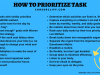
Understanding Procrastination
- Identify triggers: Recognize the situations, emotions, or thoughts that make you procrastinate.
- Understand consequences: Acknowledge the potential negative impacts of procrastination on your goals and well-being.
- Seek underlying causes: Explore any underlying factors, such as anxiety, perfectionism, or lack of motivation, that may contribute to procrastination.
Effective Strategies to Beat Procrastination
1. Break Down Tasks:
- Divide large or overwhelming tasks into smaller, manageable chunks.
- Focus on completing one small step at a time to avoid feeling overwhelmed.
2. Establish a Clear Plan:
- Set specific goals, deadlines, and action steps.
- Create a schedule and stick to it as much as possible.
- Break tasks into time blocks to improve focus and productivity.
3. Eliminate Distractions:
- Identify and minimize distractions during work sessions.
- Create a dedicated workspace free from clutter, noise, and interruptions.
- Use noise-canceling headphones or apps to block out distractions.
4. Use Technology to Your Advantage:
- Utilize productivity apps and tools to track progress, set reminders, and create to-do lists.
- Use apps that block distracting websites and social media during specific work periods.
- Schedule breaks to prevent burnout and maintain focus.
5. Reward Yourself:
- Establish a system of small rewards for completing tasks.
- Recognize and celebrate your accomplishments, big and small.
- Avoid using rewards as a way to procrastinate.
6. Practice Self-Discipline:
- Develop the habit of starting tasks immediately, even when you don’t feel motivated.
- Resist the urge to “wait for the perfect time” or rely on willpower alone.
- Set consequences for procrastination to reinforce accountability.
7. Seek Support:
- Join a productivity group or accountability partner to provide motivation and encouragement.
- Talk to a therapist or counselor if procrastination is chronic or has a significant impact on your life.
8. Address Underlying Causes:
- Identify and address any underlying factors that may contribute to procrastination, such as anxiety, perfectionism, fear of failure, or low self-esteem.
- Seek professional help or participate in self-help programs to develop coping mechanisms.
Additional Tips:
- Start with the most difficult task: Tackle the most challenging task when you have the most energy and focus.
- Use the Pomodoro Technique: Work for focused intervals (typically 25 minutes) with short breaks in between.
- Avoid procrastination triggers: Identify your triggers and develop strategies to avoid or manage them.
- Practice mindfulness: Pay attention to your thoughts and feelings about procrastination and respond with self-compassion and motivation.
- Remember your “why”: Keep in mind the reasons why you want to achieve your goals to stay motivated.# Boosting Productivity: Effective Strategies To Beat Procrastination
Executive Summary
Procrastination is a common issue that can affect people of all ages and backgrounds. It can lead to missed deadlines, decreased productivity, and increased stress levels. In this article, we will discuss some of the most effective strategies for overcoming procrastination and boosting productivity.
Introduction
Procrastination is the act of delaying or postponing a task or set of tasks. It can be caused by a variety of factors, including fear of failure, perfectionism, and lack of motivation. While procrastination may provide temporary relief, it can ultimately lead to negative consequences.
FAQ
What is the most common cause of procrastination?
Fear of failure is one of the most common causes of procrastination. People who are afraid of failing may avoid tasks that they perceive as being too difficult or challenging.Is procrastination a mental health disorder?
Procrastination is not a mental health disorder, but it can be a symptom of underlying mental health issues such as anxiety or depression.How can I overcome procrastination?
There are a number of effective strategies for overcoming procrastination, including setting realistic goals, breaking down tasks into smaller steps, and rewarding yourself for completing tasks.
5 Subtopics for Beating Procrastination
1. Identifying Your Triggers
- Understand the root causes of your procrastination.
- Recognize the situations or tasks that tend to trigger procrastination for you.
- Identify the emotions and thoughts that accompany procrastination, such as fear, anxiety, or self-doubt.
2. Setting Achievable Goals
- Break down large tasks into smaller, manageable steps. This makes them seem less daunting and more achievable, reducing the likelihood of procrastination.
- Set realistic deadlines for yourself. Avoid setting unrealistic goals that can lead to feelings of overwhelm and discouragement.
- Prioritize tasks based on importance and urgency. Focus on completing the most critical tasks first, which can help build momentum and reduce procrastination.
3. Creating a Positive Environment
- Find a dedicated workspace that is free from distractions. This creates an environment conducive to focus and productivity.
- Use positive affirmations and self-talk to boost your motivation. Remind yourself of your goals and capabilities, building confidence and reducing self-doubt.
- Reward yourself for completing tasks, both big and small. This provides positive reinforcement and motivates you to continue making progress.
4. Managing Distractions
- Identify your common distractions and develop strategies to minimize them. This could involve using noise-canceling headphones, blocking distracting websites, or setting aside specific times for checking emails and social media.
- Take regular breaks to recharge and prevent burnout. Short breaks can help maintain focus and prevent procrastination by allowing your mind to rest and reset.
- Use technology to your advantage. There are various apps and tools available to help you stay organized, track your progress, and minimize distractions.
5. Building Self-Discipline
- Practice self-discipline by setting boundaries and sticking to them. Establish clear rules for your workspace and work schedule, and avoid making exceptions that can lead to procrastination.
- Hold yourself accountable for your actions. Track your progress, identify areas for improvement, and make adjustments as needed.
- Seek support from others when needed. Join a support group or connect with a mentor or coach who can provide encouragement and guidance.
Conclusion
Procrastination can be a significant obstacle to productivity and success. However, by understanding the causes of procrastination and implementing effective strategies to overcome it, you can regain control over your time and achieve your goals. Remember to be patient with yourself, practice self-compassion, and celebrate your successes along the way.
Keyword Tags:
- Procrastination
- Productivity
- Time Management
- Goal Setting
- Motivation