Work-Life Balance for Students: Achieving Success Without Burning Out
Introduction:
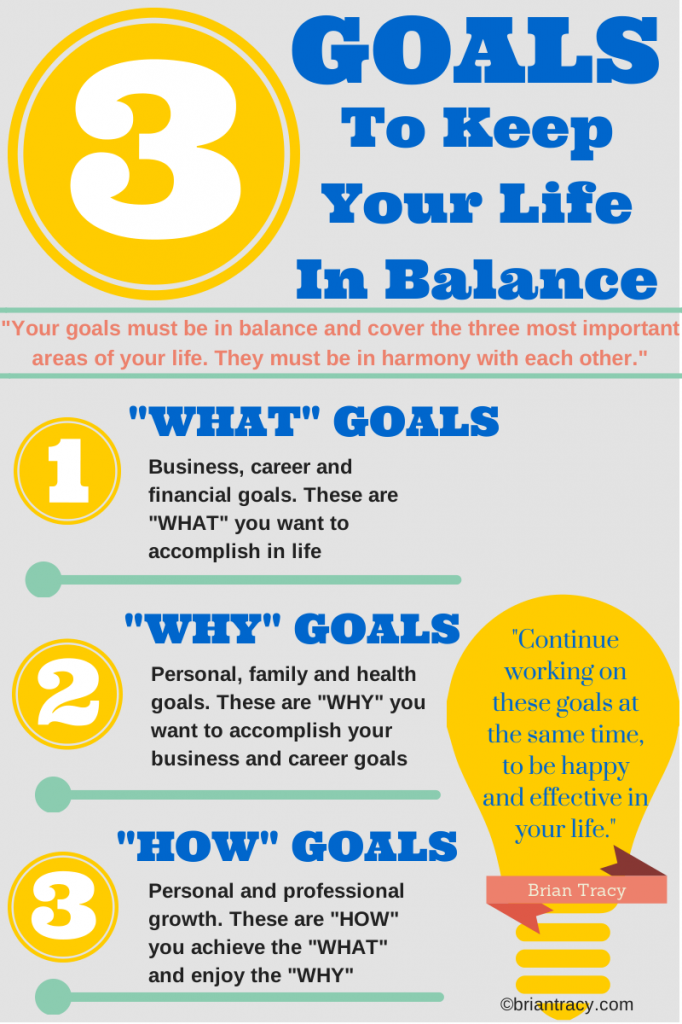
Students face immense pressure to excel academically, engage in extracurricular activities, and maintain social connections. This can lead to overwhelming stress and burnout if not managed effectively. Striking a work-life balance is crucial for maintaining physical, mental, and emotional well-being while pursuing success.
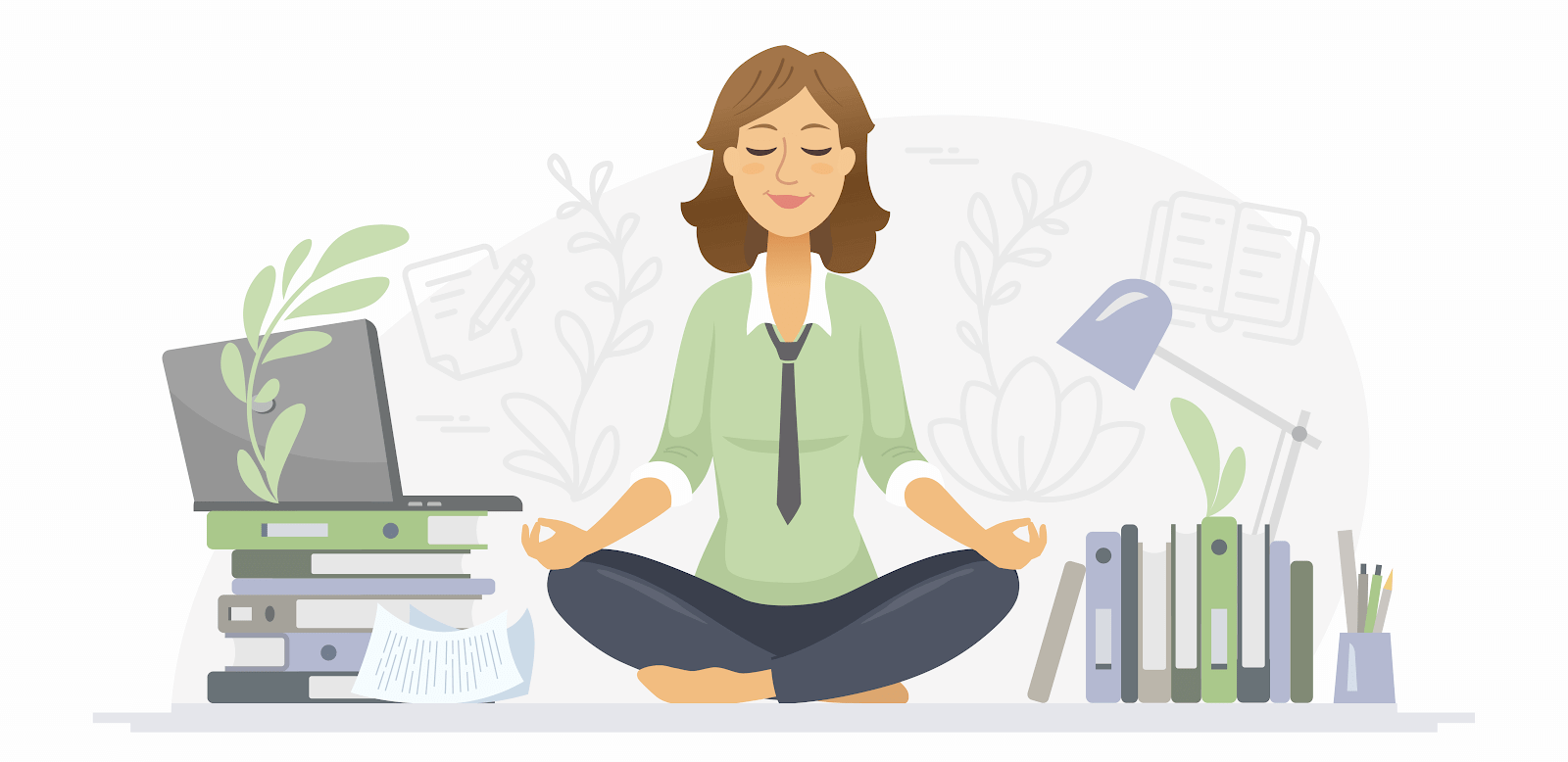
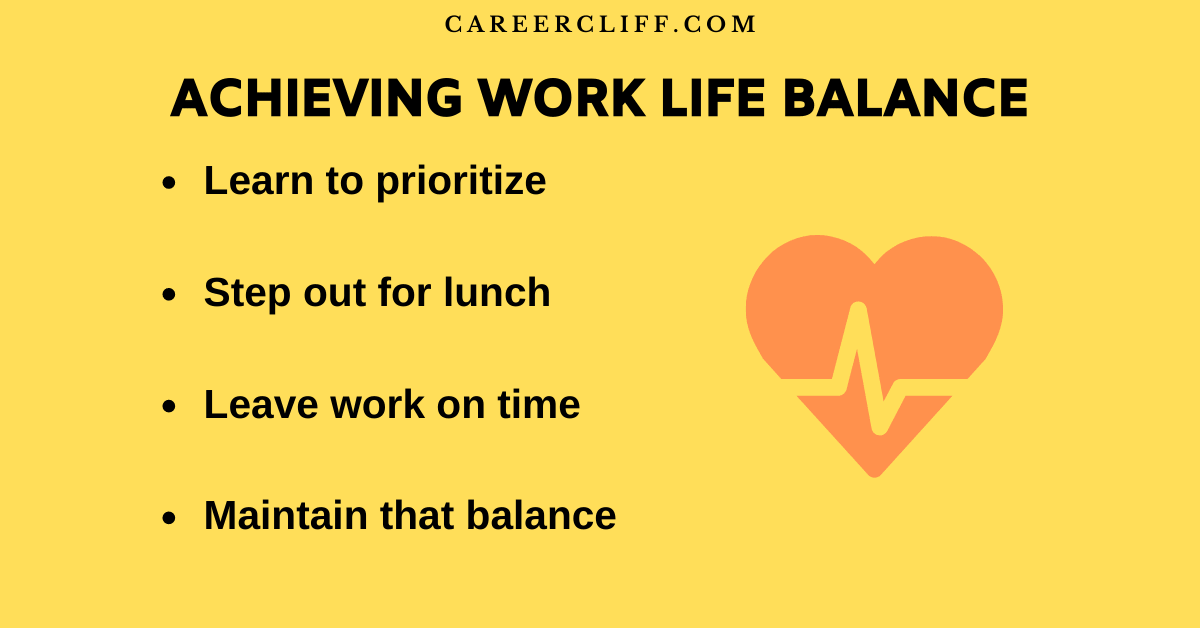
Benefits of Work-Life Balance:
- Reduced Stress: Prioritizing work and personal life reduces feelings of overwhelm and anxiety.
- Improved Academic Performance: Well-rested and balanced students are better able to concentrate, retain information, and perform at their best.
- Enhanced Social Well-being: Setting boundaries for work allows time to connect with loved ones, participate in hobbies, and engage in social activities.
- Increased Physical Health: Managing stress levels and getting enough sleep promotes overall physical well-being.
- Long-Term Success: Students who maintain a balanced lifestyle are less likely to experience burnout and can sustain their academic and personal goals over time.
Strategies for Achieving Work-Life Balance:
1. Prioritize Tasks:
- Identify the most important tasks and focus on completing them first.
- Delegate or eliminate non-essential responsibilities.
- Break down large assignments into smaller, manageable chunks.
2. Schedule Breaks:
- Take regular breaks throughout the day to clear your mind and prevent burnout.
- Use breaks for activities that refresh you, such as going for a walk, listening to music, or socializing.
3. Set Boundaries:
- Establish clear boundaries between work and personal time.
- Avoid checking emails or working late into the night.
- Learn to say no to additional commitments that you cannot handle.
4. Engage in Self-Care:
- Make time for activities that nourish your well-being, such as exercise, meditation, or pursuing hobbies.
- Get enough sleep, eat healthy meals, and take care of your physical and mental health.
5. Seek Support:
- Talk to trusted friends, family members, or counselors about your workload and stress levels.
- Join support groups or connect with other students who are also striving for work-life balance.
6. Use Technology Wisely:
- Use technology to organize your tasks and stay on track.
- Limit the use of social media and other distractions during study time.
- Explore apps that promote mindfulness, sleep tracking, or time management.
7. Evaluate and Adjust:
- Regularly evaluate your work-life balance and make adjustments as needed.
- Don’t be afraid to delegate or reduce commitments if they become overwhelming.
- Seek professional help if stress or burnout becomes unmanageable.
Conclusion:
Work-life balance for students is essential for achieving success without sacrificing well-being. By prioritizing tasks, scheduling breaks, setting boundaries, engaging in self-care, seeking support, using technology wisely, and continually evaluating and adjusting their approach, students can create a fulfilling and sustainable lifestyle that supports their academic and personal goals.## Work-Life Balance For Students: Achieving Success Without Burning Out
Executive Summary
Striking a balance between academic pursuits and personal well-being is crucial for students to thrive. This guide provides comprehensive insights, strategies, and tips to help students achieve work-life balance and excel both in their studies and personal lives.
Introduction
As students navigate the rigors of academia, maintaining a healthy work-life balance is paramount to their overall success and well-being. Balancing academic responsibilities with personal commitments, social interactions, and self-care can be challenging, but it is essential for students to prioritize their physical and mental health while pursuing academic excellence.
FAQs
Q: Why is work-life balance important for students?
A: Work-life balance allows students to maintain their physical and mental health, manage stress, improve focus, enhance productivity, and prevent burnout.
Q: What are the signs of work-life imbalance in students?
A: Warning signs include fatigue, anxiety, difficulty concentrating, poor academic performance, social isolation, and physical health issues.
Q: How can students improve their work-life balance?
A: Effective strategies include setting realistic goals, prioritizing tasks, scheduling breaks, engaging in self-care activities, and seeking support when needed.
Top 5 Subtopics for Work-Life Balance
Time Management
- Description: Planning and organizing time effectively to balance academic and personal commitments.
- Important Pieces:
- Set realistic goals and prioritize tasks.
- Break down large projects into smaller, manageable chunks.
- Create a daily or weekly schedule and stick to it.
Stress Management
- Description: Identifying and implementing techniques to reduce stress and anxiety related to academic and personal life.
- Important Pieces:
- Engage in regular physical activity or exercise.
- Practice relaxation techniques such as meditation or deep breathing.
- Seek support from friends, family, or a therapist when needed.
Self-Care
- Description: Prioritizing activities and habits that support physical, mental, and emotional well-being.
- Important Pieces:
- Get enough sleep and follow a healthy diet.
- Make time for hobbies, social connections, and relaxation.
- Set boundaries to protect personal time and prevent burnout.
Technology Use
- Description: Managing the use of technology to prevent excessive screen time and its impact on work-life balance.
- Important Pieces:
- Set limits on social media and screen time.
- Use technology for productivity and educational purposes.
- Take regular breaks from screens to engage in other activities.
Social Connections
- Description: Maintaining healthy and supportive relationships while balancing academic responsibilities.
- Important Pieces:
- Make time for social interactions and activities.
- Build a support network of friends, family, or peers.
- Participate in extracurricular activities to connect with others.
Conclusion
Achieving work-life balance as a student is a journey that requires conscious effort and prioritization. By implementing the strategies outlined in this guide, students can effectively manage their academic responsibilities while nurturing their personal well-being. Remember that balance is not about perfection but rather about finding a sustainable and fulfilling rhythm that supports your overall growth and success.
Keyword Tags
- Work-life balance
- Student success
- Time management
- Stress management
- Self-care