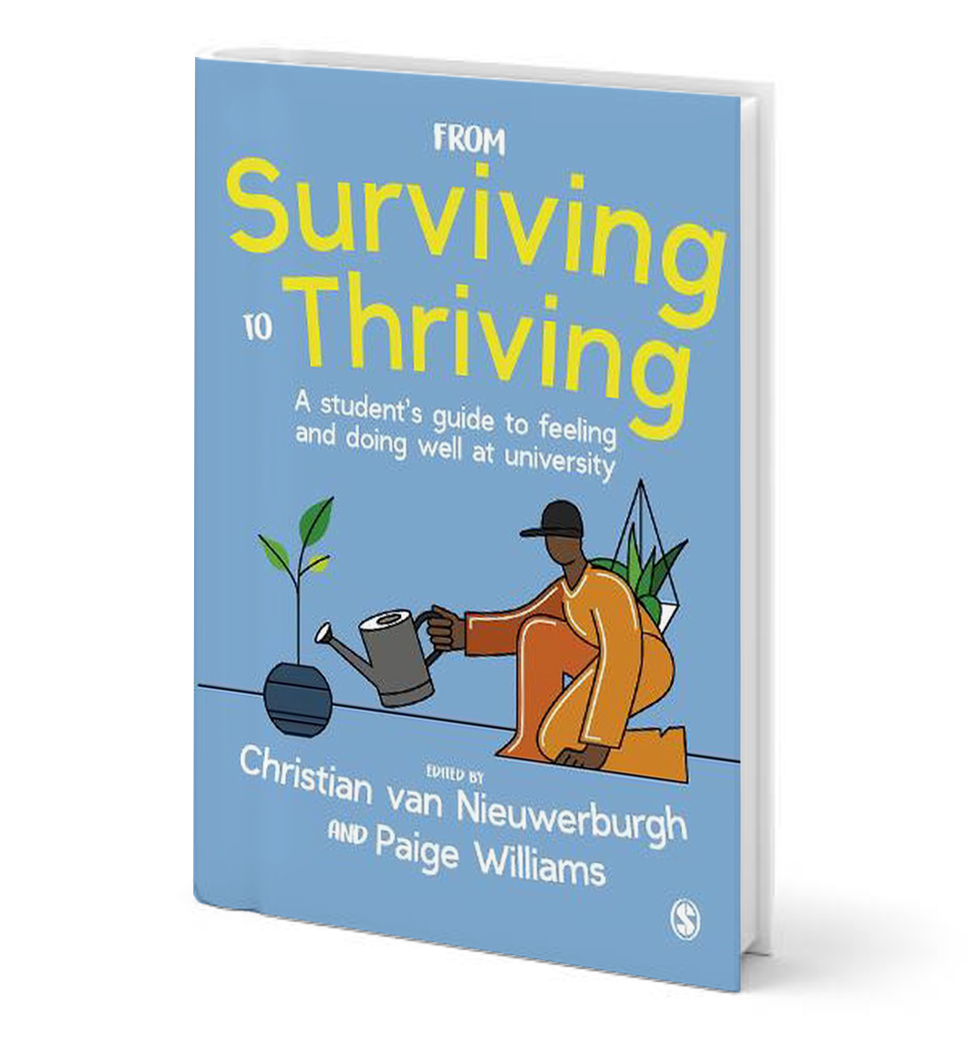
Thriving, Not Surviving: The Importance of Self-Care for Students
In the rigorous and demanding world of academia, it can be easy for students to prioritize academic responsibilities over their own well-being. However, neglecting self-care can have detrimental effects on mental, physical, and emotional health, hindering academic success and overall well-being.

Mental and Emotional Benefits:
- Reduces stress and anxiety: Self-care activities, such as exercise, meditation, and spending time in nature, help release endorphins and calm the nervous system.
- Improves mood and reduces depression: Engaging in enjoyable activities, getting enough sleep, and maintaining healthy relationships contribute to positive mental health.
- Boosts self-esteem and confidence: By prioritizing our needs and taking care of ourselves, we increase our self-worth and ability to cope with challenges.
Physical Benefits:
- Enhances physical health: Regular exercise, proper nutrition, and adequate sleep are essential for overall physical well-being.
- Prevents chronic diseases: Self-care practices, such as managing stress and maintaining a healthy weight, reduce the risk of developing chronic conditions like heart disease and diabetes.
- Improves sleep quality: Establishing a regular sleep-wake cycle and creating a relaxing bedtime routine can significantly improve sleep and energy levels.
How to Practice Self-Care:
- Schedule time for activities you enjoy: Make time for hobbies, spending time with friends and family, and doing things that make you happy.
- Prioritize physical activity: Aim for at least 30 minutes of moderate-intensity exercise most days of the week.
- Get enough sleep: Establish a regular sleep schedule and aim for 7-9 hours of sleep per night.
- Eat a healthy diet: Focus on fruits, vegetables, whole grains, and lean protein. Avoid excessive consumption of processed foods, sugary drinks, and unhealthy fats.
- Practice stress management techniques: Explore mindfulness meditation, deep breathing exercises, or yoga to reduce stress and promote relaxation.
- Connect with others: Maintain strong relationships with friends, family, and classmates. Social support is crucial for overall well-being.
- Set boundaries: Learn to say no to commitments that overwhelm you and prioritize your own needs.
- Seek help if needed: If you struggle with self-care, don’t hesitate to reach out to a counselor, therapist, or other trusted individual for support.
Conclusion:
Self-care is not an indulgence but a necessity for students. By prioritizing our well-being, we can not only survive but thrive in the demanding environment of academia. By incorporating self-care practices into our daily routine, we can enhance our mental, physical, and emotional health, leading to improved academic performance, increased resilience, and a more fulfilling and balanced life.## Thriving, Not Surviving: The Importance Of Self-care For Students
Executive Summary
Self-care is essential for students to maintain their physical, mental, and emotional well-being. By prioritizing self-care practices, students can improve their academic performance, reduce stress, and build resilience. This article explores the significance of self-care for students, providing practical tips and strategies to help them thrive in their academic journey.
Introduction
As students navigate the rigors of higher education, it is crucial to recognize the profound importance of self-care. Beyond attending classes and completing assignments, taking care of one’s overall well-being is essential for academic success and personal fulfillment. By embracing self-care practices, students can cultivate a healthy balance between their studies and personal lives, fostering a holistic approach to their academic journey.
FAQs
Q: What are the benefits of self-care for students?
A: Self-care can improve physical health, reduce stress, enhance mental well-being, boost academic performance, and promote resilience.
Q: How can I incorporate self-care into my daily routine as a student?
A: Prioritize healthy eating, exercise, and sleep habits. Engage in stress-reducing activities such as meditation, yoga, or spending time in nature. Set boundaries to manage time effectively and prevent burnout.
Q: What are some specific self-care strategies that students can implement?
A: Establish a regular sleep schedule, engage in physical activity, practice mindfulness techniques, connect with friends and family, and seek professional help if needed for mental health or academic challenges.
Physical Self-care
Physical health is a cornerstone of overall well-being for students. By prioritizing healthy habits, they can maintain energy levels, improve focus, and reduce the risk of illness and disease.
- Exercise: Regular physical activity releases endorphins, which have mood-boosting effects. Aim for at least 30 minutes of moderate-intensity exercise most days of the week.
- Nutrition: A nutritious diet provides the body with essential nutrients for optimal function. Include plenty of fruits, vegetables, whole grains, and lean protein. Avoid excessive consumption of processed foods, sugary drinks, and unhealthy fats.
- Sleep: Getting enough sleep is vital for physical and mental recovery. Establish a consistent sleep schedule and aim for 7-9 hours of quality sleep each night.
Mental Self-care
Mental health is just as important as physical health for students. By practicing stress-reducing techniques and seeking support when needed, students can maintain emotional well-being and prevent mental health issues.
- Stress management: Identify stress triggers and develop coping mechanisms such as exercise, meditation, or spending time in nature. Practice time management skills to prioritize tasks and avoid feeling overwhelmed.
- Resilience: Develop emotional resilience by challenging negative thoughts, practicing self-compassion, and seeking support from friends, family, or a therapist when needed.
- Professional help: Don’t hesitate to seek professional help for mental health challenges. Therapy can provide support, guidance, and coping mechanisms to address anxiety, depression, or other mental health concerns.
Emotional Self-care
Emotional well-being is essential for students to maintain a positive outlook and connect with others. By practicing self-awareness and emotional regulation, students can better manage their emotions and build healthy relationships.
- Self-awareness: Practice self-reflection to identify and understand your emotions. Recognize patterns in your thoughts and behaviors, and work towards developing emotional intelligence.
- Emotional regulation: Learn techniques to manage emotions effectively. Develop coping mechanisms for stress and anger, and find ways to express emotions in a healthy manner.
- Relationships: Nurture positive relationships with friends, family, and mentors. Surround yourself with supportive individuals who offer encouragement and validation.
Social Self-care
Social interaction is crucial for students’ sense of belonging and well-being. By connecting with others and participating in social activities, students can reduce loneliness, build self-esteem, and expand their support network.
- Social connections: Engage in social activities that you enjoy, such as joining clubs or volunteering. Build meaningful relationships with peers, professors, and other members of the academic community.
- Support network: Surround yourself with a support network of friends, family, mentors, and peers who provide encouragement, motivation, and assistance when needed.
- Social media: Use social media platforms to connect with others and share experiences. However, be mindful of the potential negative effects of excessive social media use on mental health.
Conclusion
Self-care is not a luxury but a necessity for students to thrive in their academic journey. By prioritizing their well-being, students can cultivate a healthy balance between their studies and personal lives, enhancing their overall health and academic performance. Embracing self-care practices allows students to approach their academic endeavors with greater resilience, focus, and motivation, ultimately maximizing their potential and achieving academic success.
Keyword Tags
- Self-care
- Students
- Physical health
- Mental health
- Emotional well-being